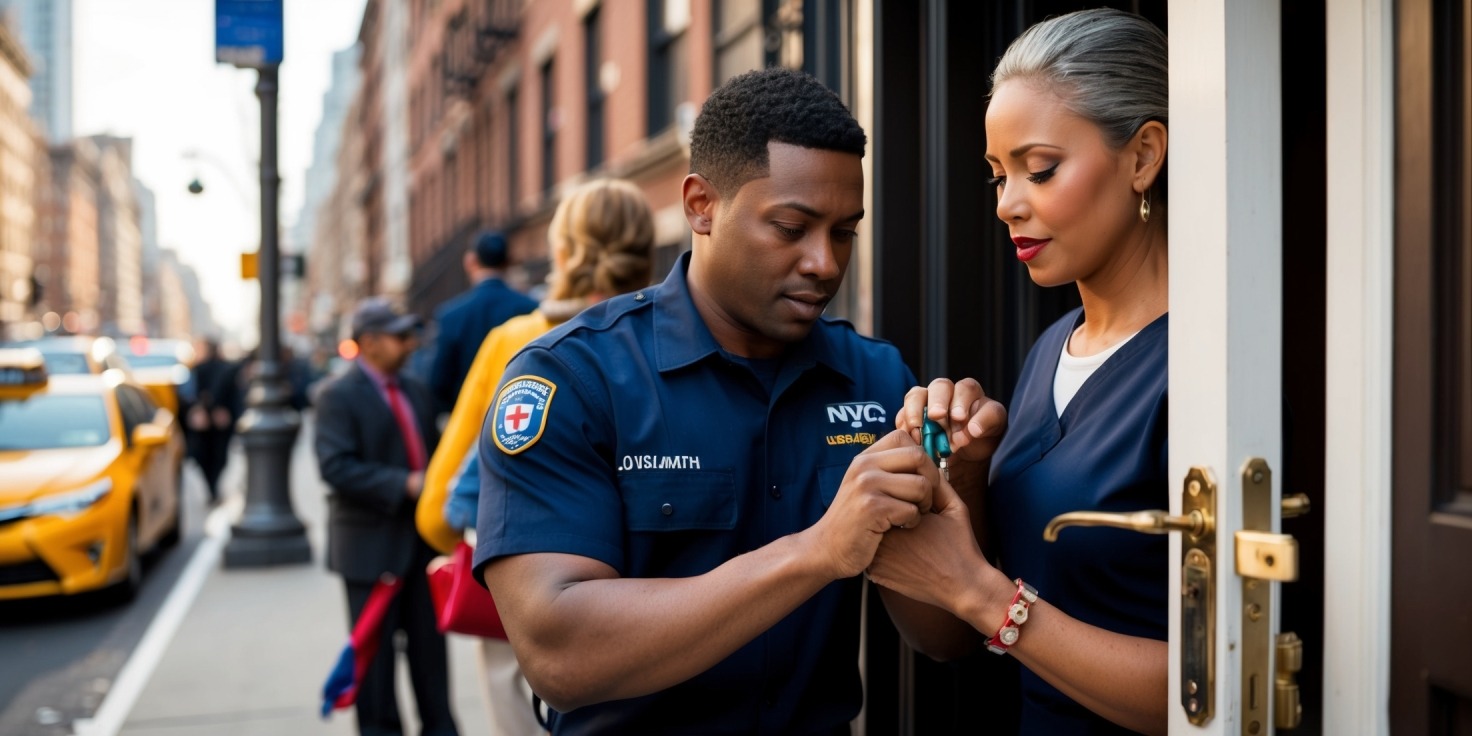
Getting locked out in New York City is stressful enough, but when you have medical needs, the situation becomes even more urgent. How do you ensure a quick and safe resolution? iLocksmiths, with over 11 years of experience, offers reliable 24/7 locksmith services across NYC, specializing in emergencies like these. Their fast response time and commitment to customer satisfaction make them the trusted choice for all your locksmith needs. Have you ever wondered how to handle such a lockout efficiently?
In such situations, time is of the essence. iLocksmiths provides a swift solution with their network of over 40 technicians spread throughout the city. Whether you’re locked out of your home or vehicle, their team is equipped to handle your emergency promptly. This article will guide you through the steps to take during a lockout, ensuring your safety and peace of mind.
But there’s more to know about handling lockouts with medical needs in NYC. We’ll explore expert advice and practical tips to help you navigate these emergencies smoothly. So, without further ado, let’s dive into the essential strategies for managing lockouts when medical needs are at stake.
Understanding Lockouts in NYC
In New York City, a lockout occurs when a tenant is unlawfully denied access to their residence. This can happen if a landlord changes the locks or blocks entry without a court order. Such actions are illegal and violate tenant rights. In NYC, tenants have the right to access their homes unless a legal eviction process is followed. Landlords must adhere to strict regulations, ensuring they do not resort to self-help evictions. If you face a lockout, it’s crucial to understand your rights and seek legal assistance. Statistics reveal that lockouts are a significant issue in NYC, with numerous cases reported annually. This highlights the importance of knowing your rights and the legal framework surrounding lockouts. For assistance, consider contacting a residential locksmith or explore our service areas in Brooklyn for support. Understanding these aspects can help you navigate the complexities of lockouts effectively.
Preparing for a Lockout: Essential Steps
Before a lockout occurs, it’s crucial to have a solid backup plan. Start by keeping a list of important contacts handy, including a trusted residential locksmith. This ensures you can quickly reach out for help. Additionally, having a spare key is essential. You can leave it with a trusted neighbor or friend who can assist you in an emergency.
Creating an emergency plan that includes your medical needs is vital. Make sure to have a list of your medications and any necessary medical equipment ready. This preparation can be a lifesaver during unexpected situations. Furthermore, consider installing security cameras to monitor your home. This adds an extra layer of safety and peace of mind.
Lastly, familiarize yourself with local service areas. Knowing the nearest locksmiths in Brooklyn or other neighborhoods can save time. By taking these steps, you ensure that you’re well-prepared for any lockout scenario.
Addressing Medical Needs During a Lockout
Individuals with medical needs face unique challenges during a lockout. Access to essential medications and equipment becomes a priority. Without immediate access, health conditions can worsen rapidly. To mitigate these risks, always keep a spare set of keys with a trusted neighbor or friend. Additionally, consider using a residential locksmith service to ensure quick access to your home.
Moreover, it’s crucial to have a plan for accessing necessary medications. Keep a list of your prescriptions and their dosages in your wallet. This list can be invaluable if you need to communicate your needs to emergency contacts or authorities. Furthermore, inform your emergency contacts about your medical conditions and the location of your spare keys.
In case of a lockout, promptly contact a professional locksmith to regain access. If you live in areas like Midwood or Park Slope, ensure you know the local locksmith services available. By taking these steps, you can effectively manage your medical needs during a lockout.
Legal Recourse and Support Services
In New York City, tenants facing a lockout have several legal options. First, they can file an illegal lockout complaint with the Housing Court. This action can lead to an order that allows re-entry into the residence. Additionally, tenants may contact the police, as landlords cannot legally evict tenants without a court order. For support, local organizations like the Legal Aid Society and the Metropolitan Council on Housing offer assistance. They provide guidance and sometimes legal representation. Moreover, it is crucial to document the lockout thoroughly. Take photos of any notices or locks, and keep a record of all communications with the landlord. This documentation can be vital in court. For more assistance, consider reaching out to a residential locksmith to ensure your home remains secure. If you need further help, visit our contact page for support. Remember, knowing your rights and having the right support can make a significant difference in resolving a lockout situation.
Immediate Actions to Take During a Lockout
When you find yourself locked out, the first step is to contact your landlord or a trusted neighbor. If they are unavailable, calling a professional residential locksmith is crucial. They can provide quick access to your home. Meanwhile, staying calm is essential. Take a moment to assess your surroundings and ensure your safety. If the weather is harsh, seek shelter in a nearby café or store to stay warm. It’s important to avoid panic, as it can cloud your judgment. Additionally, if you have medical needs, inform the locksmith of your situation to expedite the process. For those in specific areas, such as Midwood, knowing your local locksmith services can be beneficial. Remember, preparation is key. Keep a list of emergency contacts handy and consider investing in a spare key solution. By taking these steps, you can handle a lockout efficiently and safely.
Communicating with Your Landlord
When facing a lockout, it’s crucial to communicate effectively with your landlord. Start by reaching out immediately to explain your situation. Be clear and concise about your medical needs and the urgency of regaining access. It’s essential to maintain a calm and respectful tone throughout your conversation. Additionally, keep a detailed record of all communications, including emails and phone calls. This documentation can be invaluable if disputes arise later.
Negotiation plays a key role in resolving the lockout swiftly. Propose reasonable solutions, such as temporary access or expedited locksmith services. Highlight the importance of addressing the issue promptly due to your medical requirements. If necessary, suggest involving a residential locksmith to expedite the process.
For further assistance, consider reaching out to a professional service. You can find more information on our contact page. Remember, effective communication and negotiation can lead to a quicker resolution, ensuring you regain access to your home without unnecessary delays.
Accessing Emergency Medical Assistance
In the event of a lockout in NYC, accessing emergency medical services is crucial, especially for those with urgent health needs. Dial 911 immediately to alert emergency responders. They are trained to handle such situations efficiently. Moreover, they can provide necessary medical assistance on-site or transport you to the nearest hospital. It’s vital to communicate any specific medical conditions to the responders. This ensures they tailor their approach to your needs. For instance, if you have a condition like diabetes or asthma, inform them right away. Additionally, consider wearing a medical alert bracelet. This can quickly convey critical information. If you find yourself locked out frequently, it might be wise to explore residential locksmith services to prevent future incidents. For those in specific areas, such as Midwood or Park Slope, local locksmiths can offer tailored solutions. Remember, preparation and clear communication are key in emergencies.
Preventing Future Lockouts
To avoid future lockouts, start by maintaining your keys regularly. Check for wear and tear, and replace them if necessary. Store spare keys in a secure location, such as a trusted neighbor’s house or a lockbox. Consider upgrading to smart lock technology, which offers keyless entry and remote access. This technology not only enhances security but also provides convenience. Additionally, review and update your emergency plans frequently. Ensure that everyone in your household knows what to do in case of a lockout. For more comprehensive solutions, explore our residential locksmith services. If you need assistance, don’t hesitate to contact us. Our team is ready to help you secure your home and prevent lockouts. Moreover, familiarize yourself with our Midwood service area for prompt local support. By taking these preventive measures, you can minimize the risk of lockouts and ensure peace of mind.
Frequently Asked Questions
If you’re locked out and need your medication, contact a local residential locksmith immediately. They can help you regain access quickly. In case of a medical emergency, you should call 911 without hesitation. Emergency services prioritize health and safety, ensuring you receive the necessary assistance. If your landlord refuses to let you back in, you have legal options. Document all communications and consider contacting local authorities or a legal advisor. For more information, visit our contact page to get in touch with professionals who can guide you through the process. Additionally, familiarize yourself with tenant rights in your area to better understand your legal standing.
Conclusion and Final Tips
Handling a lockout in NYC, especially with medical needs, requires careful preparation. Always have a plan in place and know your rights. This ensures you can act swiftly and effectively. Remember, having a reliable residential locksmith on speed dial can save you time and stress. Additionally, familiarize yourself with the services available in your area, such as those in Midwood or Park Slope. Sharing your experiences and tips can help others facing similar situations. By doing so, you contribute to a community of support and preparedness. Stay informed, stay prepared, and never hesitate to reach out for professional assistance when needed.