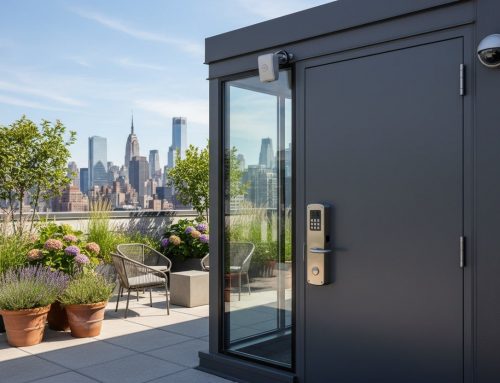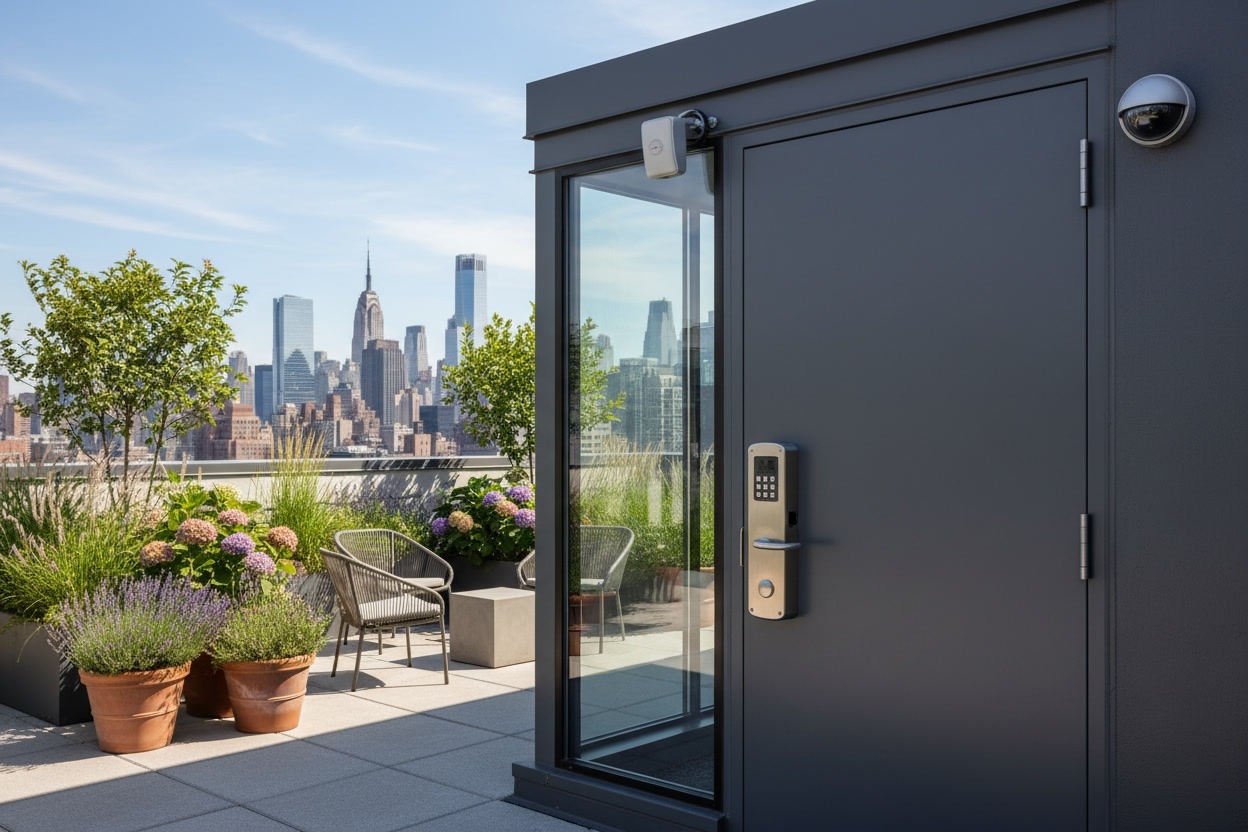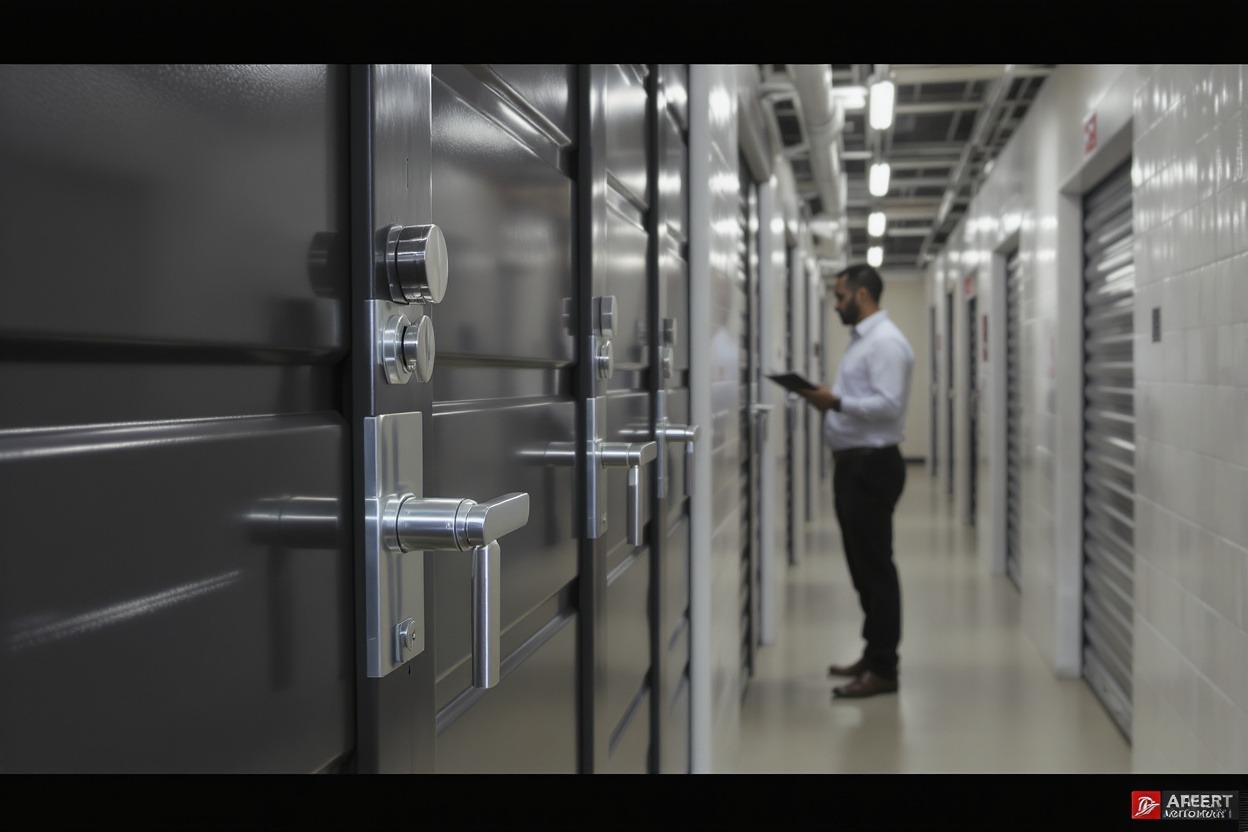
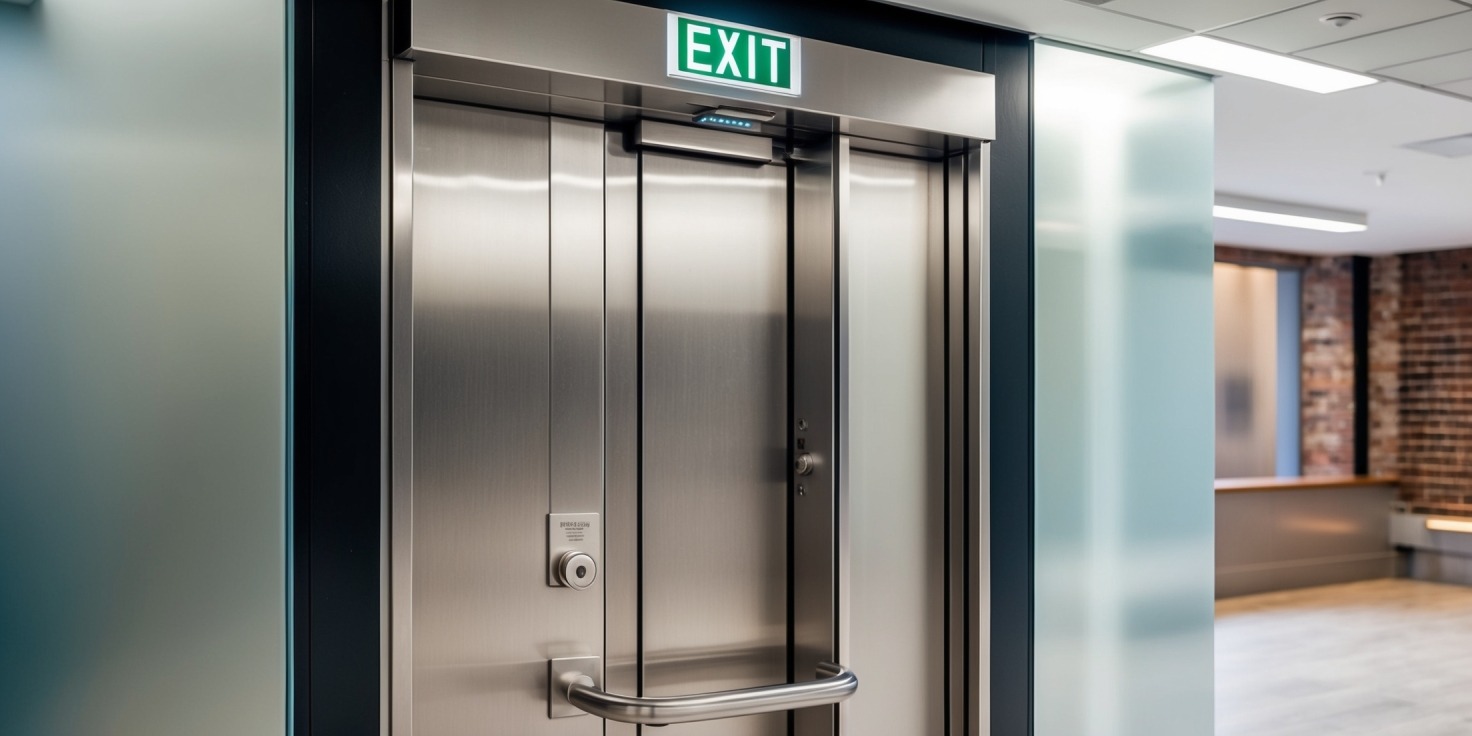
When it comes to ensuring safety and compliance in New York City buildings, choosing the best lock options for emergency exits is crucial. Emergency exit doors must meet strict fire and building codes while also providing quick and secure egress during critical situations. At iLocksmiths, we understand the importance of reliable and code-compliant locking systems for commercial properties. With over 11 years of experience serving NYC, our expert locksmiths specialize in installing and maintaining high-quality emergency exit locks that meet both safety standards and security needs. Whether you’re upgrading panic bars, installing alarmed exit devices, or seeking ADA-compliant solutions, iLocksmiths offers 24/7 locksmith services tailored to your building’s requirements. Our fast response time and dedication to customer satisfaction make us the go-to choice for emergency exit lock solutions in New York City.
Understanding NYC Fire and Building Codes for Emergency Exits
Navigating the complex landscape of fire and building codes in New York City is essential when selecting the best lock options for emergency exits. These codes are designed to ensure the safety of building occupants during emergencies, such as fires or natural disasters, by regulating how exits are constructed, maintained, and secured. Understanding these regulations is not just a matter of compliance—it’s a matter of life and death.
New York City’s fire and building codes are governed primarily by the NYC Building Code and the NYC Fire Code, both of which align with national standards like the International Building Code (IBC) and the National Fire Protection Association (NFPA) guidelines. These codes stipulate that emergency exits must be easily operable without the use of keys, tools, or special knowledge. This requirement directly impacts the type of locks that can be installed on exit doors.
According to the NYC Building Code Section 1008.1.9, “Doors shall be readily openable from the egress side without the use of a key or special knowledge or effort.” This means that while security is important, it cannot compromise the ability to exit a building quickly and safely. For example, panic bars or push bars are commonly used on emergency exits because they allow for immediate egress with minimal effort.
“In an emergency, every second counts. A delay of even a few seconds due to a complicated lock mechanism can result in tragedy,” says the National Fire Protection Association.
Moreover, the NYC Fire Code mandates regular inspections and maintenance of all exit doors and locking mechanisms. Property owners and managers are responsible for ensuring that all emergency exits remain unobstructed and functional at all times. Failure to comply can result in hefty fines or even criminal liability in the event of an incident.
To illustrate how these codes are applied in real-world scenarios, consider the following examples:
- A commercial building in Midtown Manhattan was fined over $10,000 for installing deadbolt locks on emergency exits, which violated the code requiring doors to be operable without keys.
- A residential complex in Brooklyn Heights upgraded their emergency exit doors with panic hardware and alarmed exit devices to comply with both fire safety regulations and enhance security.
- In Queens, a school was required to replace all emergency exit locks with code-compliant push bars after a fire drill revealed delays in evacuation due to outdated locking systems.
These examples underscore the importance of choosing lock systems that meet both safety and legal standards. For property owners in areas like Midwood or Bay Ridge, understanding local enforcement practices is also crucial, as different boroughs may have varying levels of scrutiny and inspection frequency.
When selecting locks for emergency exits, it’s advisable to consult with professionals who are well-versed in NYC codes. Certified locksmiths can recommend and install hardware that meets all regulatory requirements while also addressing the unique security needs of your building. For instance, electromagnetic locks with fail-safe features are often used in high-security environments, provided they are integrated with fire alarm systems to unlock automatically during emergencies.
Additionally, the NYC Department of Buildings offers resources and guidelines to help property owners stay compliant. You can access more information through their official site at https://www.nyc.gov/site/buildings/index.page.
For those seeking expert advice or installation services, working with a trusted local provider like iLocksmiths can make a significant difference. Whether you need assistance with residential locksmith services or are looking to upgrade your commercial property’s emergency exits, professional guidance ensures both compliance and peace of mind.
In conclusion, understanding and adhering to NYC fire and building codes is essential when choosing lock options for emergency exits. These regulations are in place to protect lives, and non-compliance can have severe consequences. By staying informed and working with experienced professionals, property owners can ensure their buildings are both secure and safe for all occupants.
Key Features to Look for in Emergency Exit Locks
When selecting the best lock options for NYC building emergency exits, it is essential to prioritize specific features that ensure both safety and compliance with local regulations. Emergency exit locks must provide quick and easy egress during emergencies while maintaining building security and meeting fire safety codes. One of the most critical features to look for is panic hardware. Panic bars or push bars are designed to allow occupants to exit swiftly with minimal effort, which is especially important in high-traffic buildings such as schools, hospitals, and commercial properties. These devices are not only user-friendly but also required by law in many public buildings across New York City.
Another key feature is fire-rated certification. Emergency exit locks must be able to withstand high temperatures and remain functional during a fire. Fire-rated locks are tested and certified to ensure they meet the necessary standards for fire resistance, which is crucial for protecting lives and property. Additionally, these locks should be compliant with the Americans with Disabilities Act (ADA), ensuring that all individuals, including those with physical limitations, can operate the exit mechanisms without difficulty.
Durability and tamper resistance are also vital considerations. In a city like New York, where buildings experience heavy daily use, emergency exit locks must be built from high-quality materials that resist wear and tear. Look for locks made of stainless steel or other robust metals that can endure frequent use and potential vandalism. Tamper-resistant features, such as concealed mounting screws and reinforced strike plates, add an extra layer of security, preventing unauthorized access and ensuring the lock functions properly when needed most.
Compatibility with alarm systems is another important aspect. Many modern emergency exit locks can be integrated with building alarm systems to alert security personnel when an exit door is opened. This feature is particularly useful in commercial and institutional settings where monitoring and controlling access is critical. For example, integrating emergency locks with security cameras can provide real-time surveillance and enhance overall building safety.
Ease of maintenance and installation should not be overlooked. Emergency exit locks should be easy to install and maintain to minimize downtime and ensure consistent performance. Choosing locks from reputable manufacturers with a proven track record of reliability can save time and money in the long run. Additionally, working with a professional locksmith service can ensure proper installation and compliance with local codes. If you are unsure about the best lock for your building, consulting with a trusted commercial locksmith can provide valuable guidance tailored to your specific needs.
Another feature to consider is the ability to rekey or reset the lock mechanism without replacing the entire unit. This is especially beneficial in buildings with high tenant turnover or frequent staff changes. Rekeyable locks offer flexibility and cost savings while maintaining security standards.
In NYC, where building codes and safety regulations are stringent, it is also important to ensure that emergency exit locks are UL listed or meet ANSI/BHMA standards. These certifications indicate that the lock has undergone rigorous testing for performance, safety, and durability. Compliance with these standards not only ensures the safety of building occupants but also helps avoid potential legal liabilities.
Lastly, aesthetics may also play a role in lock selection, particularly in buildings where design and appearance are important. Many emergency exit locks are available in various finishes and styles to match the building’s interior while still meeting all safety requirements.
Choosing the right emergency exit lock involves balancing safety, compliance, durability, and ease of use. By focusing on these key features, building owners and managers in New York City can ensure their properties are secure, accessible, and prepared for any emergency. For expert advice and professional installation, consider reaching out through our contact page to speak with a qualified locksmith who understands the unique demands of NYC buildings.
Top Compliant Lock Types for NYC Emergency Exits
When it comes to ensuring the safety and legal compliance of emergency exits in New York City buildings, selecting the right type of lock is crucial. NYC fire and building codes are among the strictest in the country, requiring that all emergency exit doors be easily operable without the use of keys, tools, or special knowledge. This means that not all locks are suitable for these critical access points. Property owners, managers, and developers must choose lock systems that not only provide security but also meet the city’s stringent safety regulations. Among the most compliant and widely accepted lock types for emergency exits are panic bars, also known as crash bars or push bars. These devices allow occupants to exit quickly and easily during emergencies by simply pushing against the bar to open the door. Panic bars are especially effective in high-traffic areas such as schools, hospitals, and commercial buildings, where rapid evacuation may be necessary.
Another top choice for NYC emergency exits is the electric strike lock system, which works in conjunction with panic hardware. These systems are often integrated with access control systems, allowing for secure locking from the outside while still enabling free egress from the inside. Electric strikes are ideal for buildings that require both security and compliance, such as office complexes and residential high-rises. Additionally, delayed egress locks are permitted under specific conditions and are commonly used in healthcare facilities and retail environments. These locks delay the opening of the door for a few seconds after the release mechanism is activated, providing a balance between security and safety. However, they must include clear signage and audible alarms to alert occupants and comply with NYC codes.
Magnetic locks, or maglocks, are another option, though they must be used with caution. NYC regulations require that maglocks used on emergency exits must release immediately upon activation of the fire alarm system or loss of power. They must also include a manual release mechanism, such as a push-to-exit button, located near the door. When installed correctly, maglocks can provide a high level of security while still allowing for safe egress. It is essential to work with experienced professionals to ensure these systems are installed in full compliance with local laws.
For property owners seeking expert guidance and installation services, working with a trusted local locksmith is key. At iLocksmiths commercial locksmith services, we specialize in providing code-compliant solutions tailored to the unique needs of NYC buildings. Our team understands the intricacies of city regulations and can recommend the best lock systems for your emergency exits. Whether you are upgrading an existing system or outfitting a new construction, we ensure that your building remains both secure and compliant.
In addition to commercial properties, residential buildings also require compliant emergency exit locks, particularly in multi-unit dwellings. Our residential locksmith services are designed to help homeowners and property managers maintain safety standards without compromising on security. From panic hardware to electronic access systems, we offer a range of solutions that meet NYC code requirements and provide peace of mind.
Choosing the right lock for your emergency exits is not just a matter of security—it is a legal and ethical responsibility. By investing in compliant lock systems and professional installation, you protect the lives of occupants and avoid costly fines or legal issues. Whether you manage a commercial facility, a residential complex, or a mixed-use property, understanding and implementing the appropriate lock types is essential for maintaining safety and compliance in New York City.
Pros and Cons of Panic Bars vs. Alarmed Exit Devices
When selecting the best lock options for NYC building emergency exits, two of the most commonly considered solutions are panic bars and alarmed exit devices. Each of these options offers unique advantages and potential drawbacks, depending on the specific needs of the building, its occupancy type, and local safety regulations. Understanding the pros and cons of both can help property managers, business owners, and building supervisors make informed decisions that enhance both safety and compliance.
Panic bars, also known as crash bars or push bars, are designed to allow quick and easy egress during emergencies. One of the primary benefits of panic bars is their simplicity and speed of operation. In high-stress situations such as fires or power outages, occupants can push the bar and exit the building without fumbling with locks or handles. This feature is especially important in densely populated areas like New York City, where rapid evacuation can save lives. Additionally, panic bars are generally cost-effective and easy to install, making them a popular choice for many commercial and public buildings.
However, panic bars do have some limitations. While they provide fast exit access, they do not offer any alert mechanism to notify building staff or security personnel when the door is used. This can be a concern in buildings where unauthorized exits or security breaches are a risk. For example, in retail environments or schools, someone could exit through a panic bar-equipped door without detection, potentially compromising safety or security. Moreover, panic bars may not be ideal for locations that require a higher level of access control or monitoring.
Alarmed exit devices, on the other hand, combine the functionality of a panic bar with an integrated alarm system. When the door is opened, an audible alarm sounds, alerting staff or security to the exit. This feature is particularly useful in environments where controlling unauthorized egress is critical. For instance, in healthcare facilities, warehouses, or office buildings, alarmed devices can help prevent theft, monitor traffic flow, and ensure that emergency exits are used appropriately. They also serve as a deterrent against misuse, as the alarm draws immediate attention.
Despite their advantages, alarmed exit devices come with their own set of challenges. They are typically more expensive than standard panic bars, both in terms of initial cost and ongoing maintenance. The alarm system may require regular battery checks or integration with a building’s security infrastructure, which can increase complexity. Additionally, false alarms can become a nuisance if the device is triggered accidentally, leading to unnecessary disruptions or desensitization among staff. In some cases, building occupants may hesitate to use an alarmed exit in a real emergency for fear of causing a disturbance, which could delay evacuation.
Choosing between panic bars and alarmed exit devices often depends on the specific needs of the building and its occupants. For buildings where speed and simplicity are the top priorities, such as theaters or sports arenas, panic bars may be the most suitable option. In contrast, facilities that require enhanced monitoring and security, like schools or hospitals, may benefit more from alarmed exit devices. It is also essential to consider local fire and building codes in NYC, which may mandate the use of specific exit hardware based on occupancy and building type.
For property owners and managers seeking expert guidance on the best emergency exit solutions, consulting with a professional locksmith service can be invaluable. At iLocksmiths commercial locksmith services, our team is experienced in evaluating building layouts, compliance requirements, and security needs to recommend the most effective exit hardware. Whether you are upgrading an existing system or outfitting a new construction, we offer tailored solutions that prioritize both safety and functionality.
If you are located in Brooklyn or nearby areas, our team at iLocksmiths Greenpoint is ready to assist with on-site assessments and installations. With a deep understanding of NYC regulations and building standards, we ensure that your emergency exits are not only secure but also fully compliant with local laws.
Electronic vs. Mechanical Locks: Which Is Better for Your Building?
When it comes to securing emergency exits in NYC buildings, choosing between electronic and mechanical locks is a critical decision that can impact both safety and compliance. Each type of lock offers unique advantages and potential drawbacks, and understanding these differences is essential for building owners, property managers, and business operators. In a city like New York, where building codes are strict and security needs are high, selecting the right lock system for emergency exits can make a significant difference in both daily operations and emergency preparedness.
Mechanical locks have long been the traditional choice for securing doors, including emergency exits. These locks are typically more affordable upfront and are known for their durability and simplicity. They do not rely on electricity or batteries, making them highly reliable during power outages or emergencies. Mechanical locks are also easier to maintain and repair, which can be a major advantage in high-traffic buildings. However, they often lack the advanced features that modern security systems require, such as access logs, remote control, or integration with alarm systems. In buildings where tracking access or integrating with broader security systems is necessary, mechanical locks may fall short.
On the other hand, electronic locks offer a range of advanced features that can enhance both security and convenience. These locks can be programmed to allow access to specific individuals at certain times, and many models include audit trails that record who accessed a door and when. This is particularly useful in commercial buildings or multi-unit residential properties where monitoring access is crucial. Electronic locks can also be integrated with other security systems, such as surveillance cameras or alarm systems, providing a more comprehensive security solution. For example, integrating electronic locks with security cameras can offer real-time monitoring and better incident response.
However, electronic locks do come with their own set of challenges. They require a power source, which means they may become inoperable during a power outage unless they have a battery backup. Additionally, they are generally more expensive to install and maintain than mechanical locks. In some cases, the complexity of electronic systems can lead to technical issues or require professional support for troubleshooting. For buildings in areas like Midwood or other parts of Brooklyn, where older infrastructure may pose compatibility issues, these factors should be carefully considered.
The decision between electronic and mechanical locks should also take into account the specific needs of the building and its occupants. For example, a residential building may benefit from the simplicity and reliability of mechanical locks, especially if the emergency exits are used infrequently. In contrast, a commercial property with high foot traffic and a need for controlled access may find electronic locks to be a better fit. In either case, it is essential to ensure that the chosen lock system complies with NYC fire and building codes, which often require that emergency exits be easily operable without special knowledge or tools.
Ultimately, the best lock option for your NYC building’s emergency exits depends on a balance of security, convenience, compliance, and budget. Consulting with a professional locksmith can help you evaluate your specific needs and make an informed decision. Whether you are upgrading an existing system or installing new locks, working with a trusted provider like iLocksmiths ensures that your building remains secure and code-compliant. For expert guidance and installation services, consider reaching out through the contact page to discuss your options with a qualified technician.
Maintenance Tips for Ensuring Exit Lock Reliability
To maintain the reliability of exit locks in NYC buildings, regular maintenance and proactive care are essential. Emergency exit locks are critical components of a building’s safety infrastructure, especially in a city as densely populated and fast-paced as New York. These locks must function flawlessly during emergencies, and neglecting their upkeep can lead to serious safety hazards and potential code violations. Building owners and property managers should implement a routine inspection schedule to ensure that all exit locks are in optimal working condition. This includes checking for signs of wear, corrosion, or tampering, and ensuring that all mechanical and electronic components are functioning properly.
One of the most effective ways to maintain exit lock reliability is through periodic lubrication of mechanical parts. Locks that are exposed to the elements or high-traffic areas can accumulate dirt and debris, which can hinder their performance. Using a high-quality, manufacturer-recommended lubricant can help prevent internal components from seizing up or wearing down prematurely. Additionally, it is important to test the locking and unlocking mechanisms regularly to ensure they engage and disengage smoothly. Any resistance or delay in operation should be addressed immediately by a professional locksmith.
Electronic exit locks, which are increasingly common in modern buildings, require a different set of maintenance practices. These systems often rely on battery power or are integrated into the building’s electrical system. Regularly checking battery levels and ensuring that backup power sources are functional is crucial. Software updates and system diagnostics should also be performed periodically to maintain security and compatibility with other building systems. For buildings with integrated security systems, it is advisable to coordinate maintenance efforts with the building’s security provider to ensure seamless operation.
Another key aspect of maintaining exit lock reliability is ensuring compliance with local fire and building codes. In NYC, emergency exit locks must meet specific standards to ensure they do not impede egress during an emergency. This includes features such as panic bars, illuminated exit signs, and fail-safe mechanisms. Property managers should stay informed about any changes in regulations and schedule inspections accordingly. Working with a trusted local locksmith service can help ensure that all exit locks are up to code and functioning as required.
Training building staff on the proper use and maintenance of exit locks can also contribute to their longevity and reliability. Staff should be familiar with how to operate the locks in both normal and emergency situations, and they should know how to identify and report any issues. Establishing a clear protocol for reporting and addressing lock malfunctions can prevent small problems from escalating into major safety concerns.
For those managing residential or commercial properties, partnering with a professional locksmith service is a smart investment. Services like commercial locksmith support can provide tailored maintenance plans, emergency repair services, and expert advice on upgrading to more reliable locking systems. Similarly, property owners in residential settings can benefit from residential locksmith services that ensure all exit points are secure and compliant with safety standards.
In conclusion, maintaining the reliability of exit locks in NYC buildings requires a combination of regular inspections, proper maintenance practices, staff training, and professional support. By taking a proactive approach, building owners can ensure that their emergency exits remain functional and compliant, providing peace of mind for tenants and visitors alike.
Choosing the Right Lock Based on Building Type and Occupancy
When selecting the best lock options for emergency exits in NYC buildings, it is essential to consider both the type of building and its occupancy level. Different structures—whether residential, commercial, or mixed-use—have unique requirements that influence the choice of emergency exit locks. For instance, a high-rise apartment complex in Brooklyn will have different safety and compliance needs compared to a small retail store in Queens. The occupancy level also plays a critical role, as buildings with high foot traffic or large numbers of residents must prioritize quick and safe egress during emergencies. Understanding these factors ensures that the chosen lock systems not only comply with New York City fire and building codes but also provide optimal safety and functionality.
In residential buildings, especially multi-family dwellings, locks on emergency exits must allow for easy and immediate egress without the need for keys or complex mechanisms. Panic bars and push-to-exit devices are commonly used in these settings because they enable residents to exit quickly in case of fire or other emergencies. For example, in densely populated neighborhoods like Midwood or Park Slope, where buildings often house dozens of families, ensuring that emergency exits are equipped with code-compliant, user-friendly locks is a top priority. These locks must also be durable and tamper-resistant to prevent unauthorized access from the outside while still allowing free egress from within.
Commercial buildings, on the other hand, often require more sophisticated locking systems that balance security with emergency accessibility. Office buildings, retail stores, and warehouses in areas like Manhattan or the Bronx may benefit from electronic exit devices that integrate with alarm systems or access control panels. These systems can automatically unlock during emergencies while maintaining a high level of security during normal operations. For example, a commercial property in a busy area like Allenwood may opt for delayed egress locks that sound an alarm and unlock after a short delay, providing both security and compliance with fire safety regulations. Business owners can consult with a commercial locksmith to determine the best lock solutions tailored to their specific building layout and occupancy patterns.
Mixed-use buildings, which combine residential and commercial spaces, present unique challenges. These structures must accommodate the needs of both residents and business tenants, often requiring a combination of lock types. Emergency exits in such buildings must be accessible to all occupants while maintaining separation between residential and commercial areas for security and privacy. In these cases, a layered approach using panic hardware, electronic access control, and fire-rated doors can provide the necessary balance. Property managers in neighborhoods like Brighton Beach or Greenpoint should work with experienced locksmiths to ensure that all exit routes are clearly marked, unobstructed, and equipped with appropriate locking mechanisms.
Another important consideration is compliance with the Americans with Disabilities Act (ADA). Emergency exit locks must be operable by all individuals, including those with physical limitations. This means avoiding locks that require tight grasping, pinching, or twisting of the wrist. Lever-style handles and push bars are generally ADA-compliant and suitable for most building types. Ensuring ADA compliance not only enhances safety but also helps avoid potential legal issues.
Ultimately, choosing the right lock for emergency exits in NYC buildings requires a comprehensive understanding of building codes, occupancy levels, and the specific needs of the property. Whether you are managing a residential complex, a commercial facility, or a mixed-use development, consulting with a professional locksmith is essential. For expert guidance and installation services, consider reaching out through our contact page to discuss your building’s unique requirements. With the right lock systems in place, you can ensure that your emergency exits are both secure and fully compliant with NYC regulations.
In conclusion, ensuring the safety and security of NYC building emergency exits requires a careful balance between compliance, functionality, and reliability. With the city’s strict fire and building codes, it’s essential to choose lock systems that allow for swift egress during emergencies while also preventing unauthorized access. Options such as panic bars, delayed egress locks, and electronic access control systems offer both security and peace of mind when properly installed and maintained. By selecting the right lock solutions tailored to your building’s specific needs, you not only protect occupants but also uphold the highest standards of safety and legal compliance. Always consult with a certified locksmith or security professional to ensure your emergency exit systems meet all local regulations and provide optimal performance when it matters most.