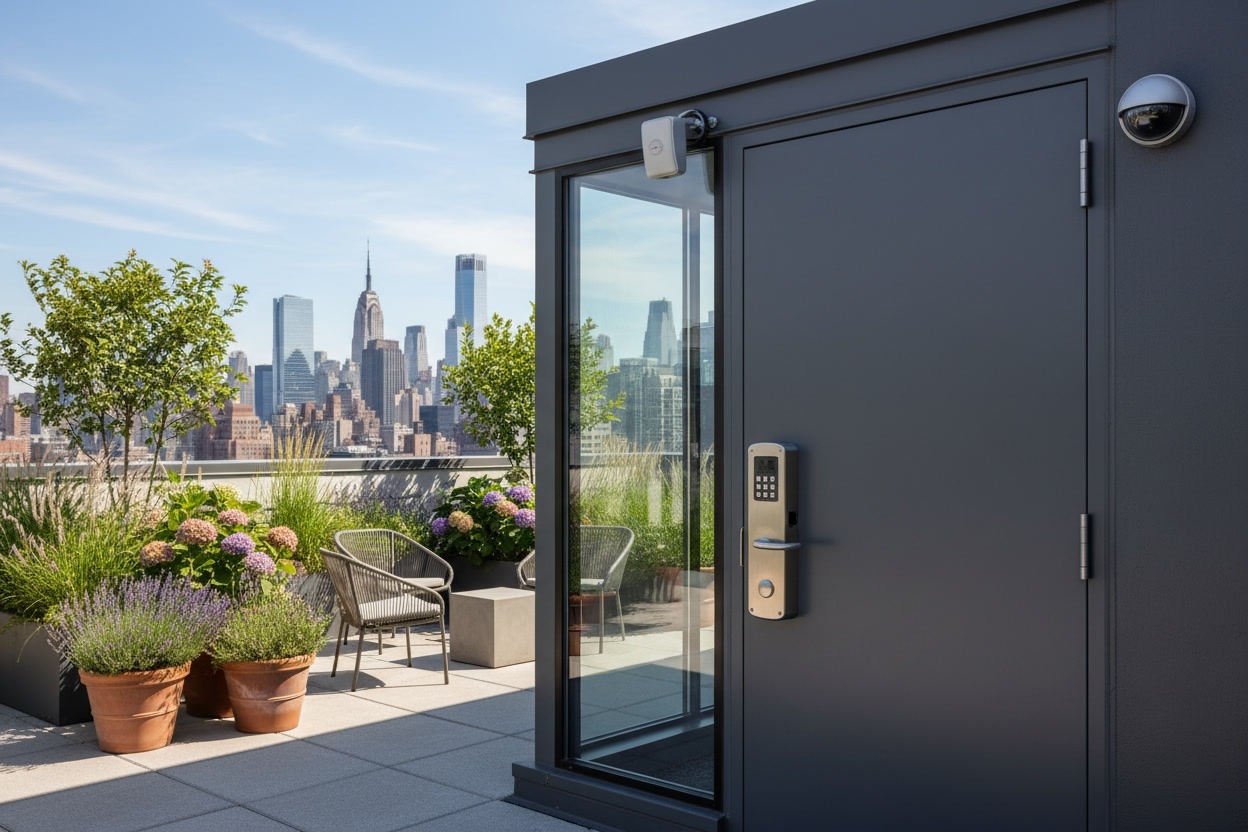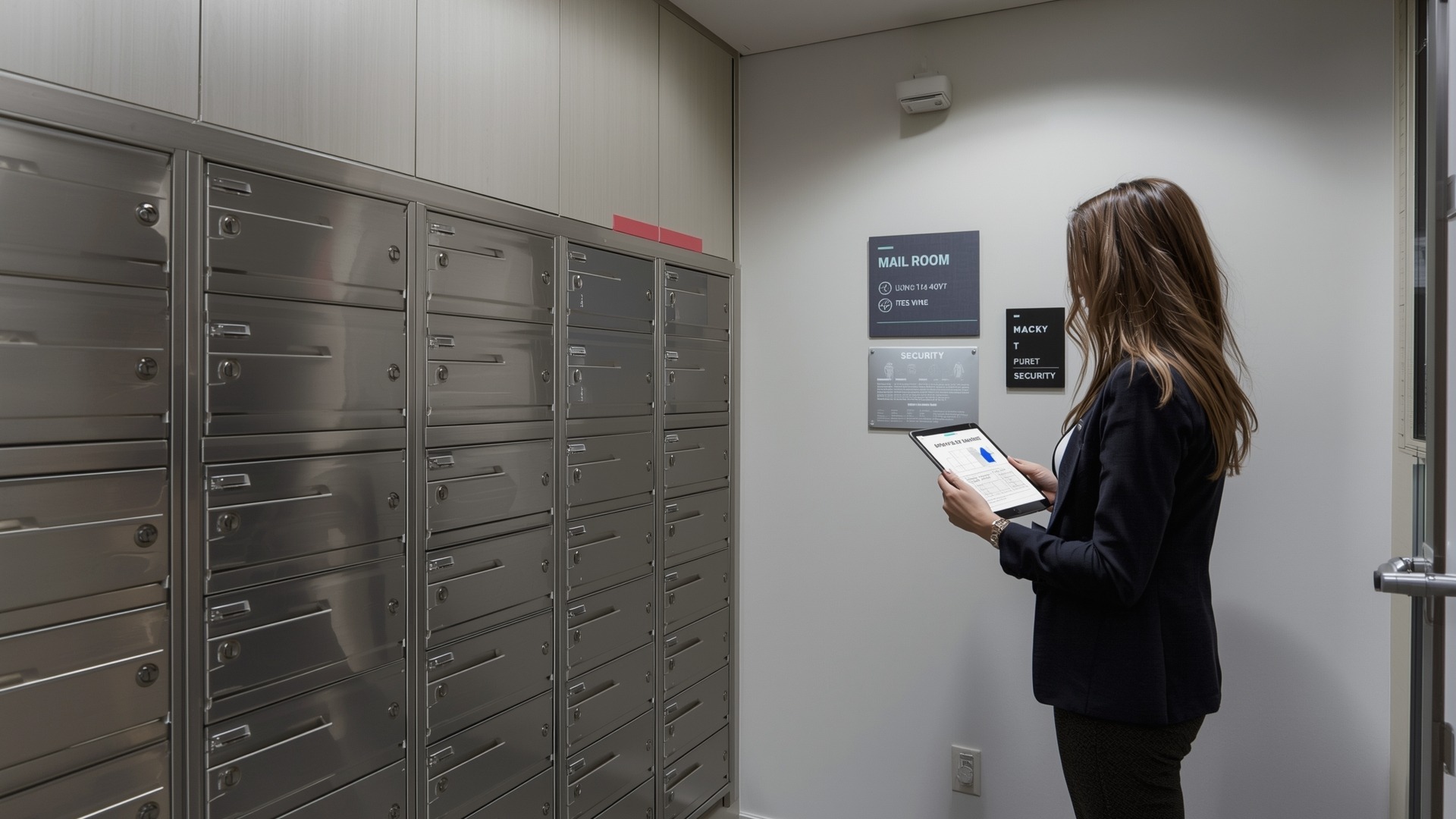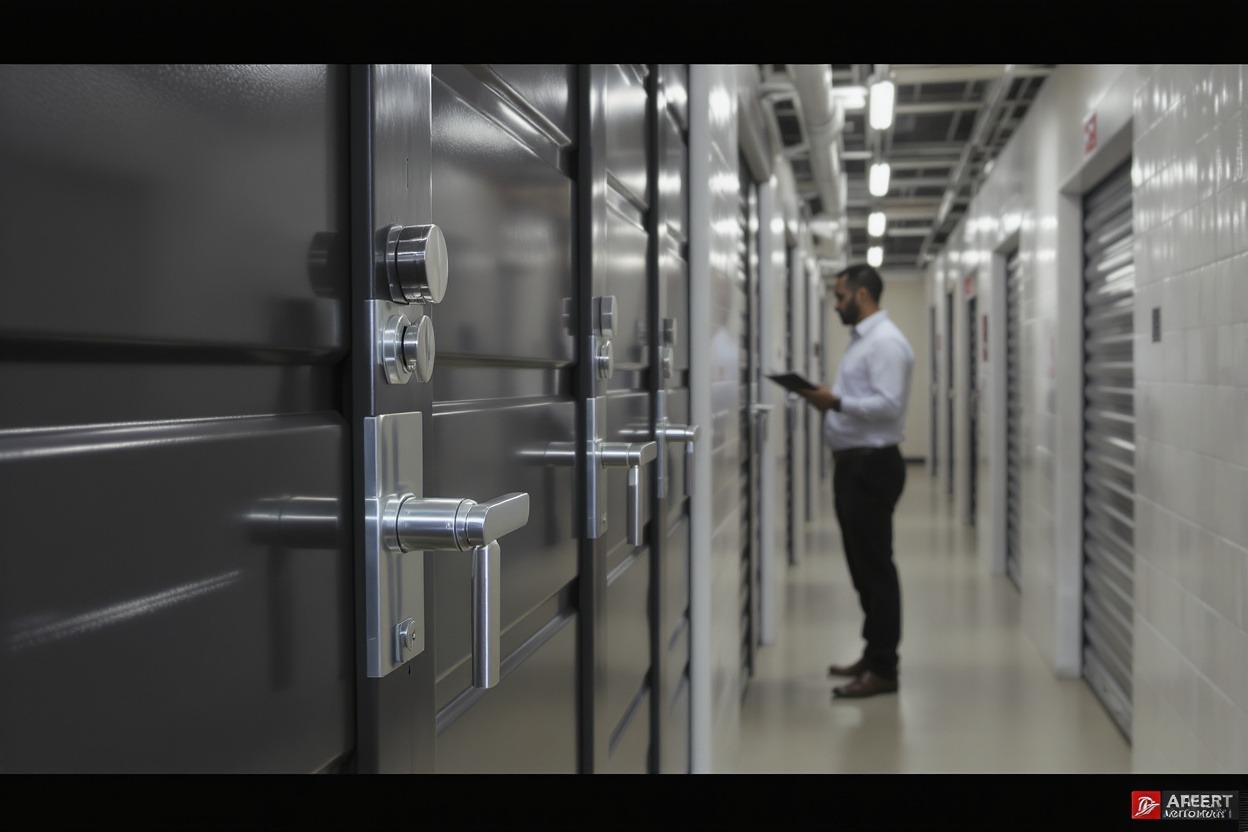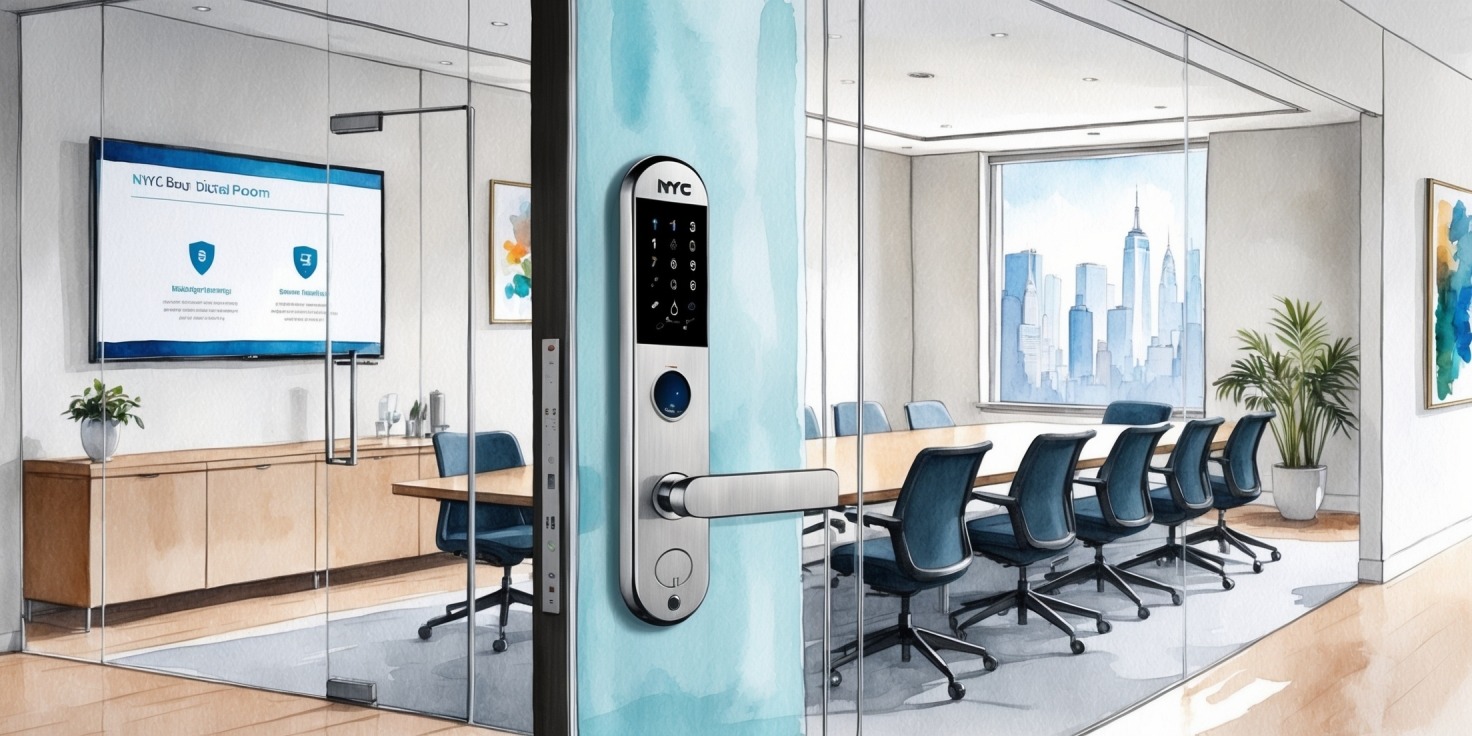
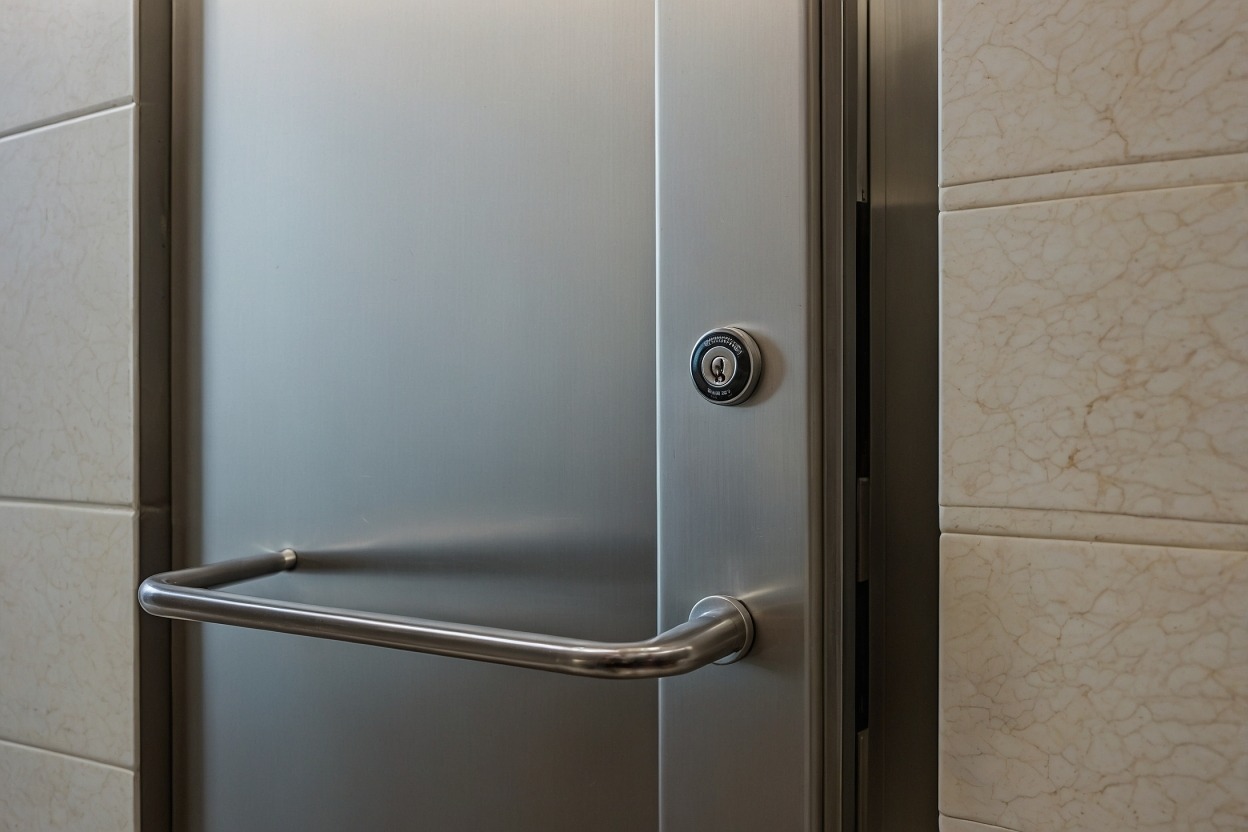
When it comes to fire safety in New York City buildings, choosing the best lock options for NYC building fire doors is not just a matter of security—it’s a legal and safety requirement. But with so many lock types and brands available, how do you know which one is right for your property? At iLocksmiths, we’ve spent over 11 years helping NYC residents and businesses secure their spaces with high-quality, code-compliant locks. Are your fire doors equipped with the right locking mechanisms to meet city regulations and ensure occupant safety?
Panic bars, fail-safe electric strikes, and fire-rated mortise locks are among the top choices for NYC fire doors. Each option offers a unique combination of compliance, durability, and ease of use. This article breaks down the best lock types, their features, and why they’re ideal for fire-rated doors in commercial and residential buildings across the five boroughs.
But these aren’t the only solutions building managers should consider. We’ve also included expert insights from NFPA-certified fire safety consultants and locksmith professionals. So, let’s dive into the most reliable and regulation-ready lock options for NYC fire doors—your building’s safety depends on it.
Understanding NYC Fire Door Regulations
Fire doors play a critical role in protecting lives and property in New York City buildings. They help contain fires, slow smoke spread, and provide safe evacuation routes. The NYC Building Code and Fire Code mandate that fire-rated doors meet strict standards. These include specifications from the FDNY and the Department of Buildings (DOB). Doors must be self-closing, properly labeled, and equipped with certified hardware.
Locks on fire doors must be UL-listed or comply with NFPA standards to ensure safety and code compliance. Using uncertified or incompatible locks can lead to serious consequences. Property owners risk hefty fines, legal liability, and even criminal charges in cases of injury or death. Regular inspections and maintenance are essential to avoid violations.
Choosing the right hardware is not just a safety measure—it’s a legal requirement. For expert guidance, consult a trusted commercial locksmith familiar with NYC codes. If you’re located in Brooklyn, our Park Slope team is ready to assist. Stay compliant, stay protected.
Types of Fire Doors Used in NYC Buildings
Fire doors in NYC buildings vary by structure type and fire safety requirements. Residential properties often use 20-minute or 45-minute rated doors, typically made of solid wood or composite materials. These doors balance safety with aesthetic appeal and support standard lock installations. In contrast, commercial and industrial buildings rely on 60-minute or 90-minute rated steel fire doors. These offer superior resistance and demand heavy-duty locking systems for compliance and durability.
Material plays a critical role in lock compatibility. Steel doors require reinforced locks, while wood and composite options allow more flexibility. Single fire doors are common in apartments and small offices. They usually feature a single locking mechanism. Double fire doors, found in larger facilities, need coordinated locks to ensure both panels secure simultaneously.
Choosing the right lock depends on the door’s rating, material, and configuration. For expert guidance, consult a trusted commercial locksmith familiar with NYC codes. If you’re upgrading your building’s fire safety, our Park Slope team is ready to help.
Key Features to Look for in Fire Door Locks
When selecting locks for fire doors in NYC buildings, prioritize fire-rated hardware that meets local codes. Ensure the lock supports fail-safe or fail-secure functionality, depending on the building’s emergency plan. Self-latching mechanisms are critical—they guarantee the door secures automatically after each use. In high-traffic or multi-tenant properties, durability is non-negotiable. Choose locks made from heavy-duty materials that resist wear and tear.
Tamper-resistant features add another layer of protection, especially in public or shared spaces. ADA compliance is also essential. Locks must be easy to operate for individuals with disabilities, without compromising security. Integration with access control systems streamlines entry management and enhances safety. Look for locks compatible with keycards, fobs, or biometric systems.
Emergency egress must remain unobstructed. Locks should allow quick exit during fire events without special tools or knowledge. For added peace of mind, consult a trusted commercial locksmith to ensure proper installation and compliance. If you’re located in Midwood or nearby, local experts can provide tailored solutions for your building’s unique needs.
Mechanical vs. Electronic Locking Systems
Mechanical locks like mortise, cylindrical, and panic bars offer durability and simplicity. They’re ideal for older NYC buildings where code compliance is crucial. These locks require no power source, making them reliable during outages. However, they lack remote access and audit trails, which limits control in high-security environments.
Electronic locks—such as keypads, card access, and biometrics—provide advanced security features. They allow real-time access control and can log entry data. In emergencies, they integrate with fire alarm systems to unlock doors automatically, ensuring safe evacuation. Yet, they depend on power and may require backup systems to remain functional.
For residential buildings, mechanical locks remain popular due to cost-effectiveness and ease of use. In contrast, commercial properties often prefer electronic systems for enhanced control. For example, a commercial locksmith might recommend card access for office buildings in Park Slope.
Choosing the right system depends on the building’s purpose, occupancy, and fire safety requirements. Each option serves a distinct need, and combining both can offer optimal protection.
Top Lock Brands and Models Approved for NYC Fire Doors
When it comes to NYC fire-rated doors, only a few lock brands meet the city’s strict standards. Schlage’s ND Series, particularly the ND80PD, is UL-listed and ideal for high-traffic areas. It offers Grade 1 security and retails between $150–$250. Sargent’s 8200 Series mortise locks are another top choice, known for durability and ANSI/BHMA certification. Expect to pay around $300–$450.
Yale’s 5400LN cylindrical locks are widely used in commercial buildings. They’re fire-rated and cost approximately $120–$200. Corbin Russwin’s ML2000 Series provides heavy-duty performance and UL fire ratings, priced from $250–$400. ASSA ABLOY, a parent company to many of these brands, offers integrated solutions like the IN120 WiFi lock, combining fire safety with smart access.
You can source these locks from certified locksmiths or security suppliers across NYC. For expert installation and guidance, visit our commercial locksmith services. If you’re located in Brooklyn, our Park Slope team is ready to assist. Always verify UL listings and NYC compliance before purchase.
Installation Guidelines and Best Practices
Proper fire door lock installation starts with choosing hardware that meets NYC fire and building codes. Always verify UL or BHMA certification before proceeding. Ensure the lockset aligns with the door’s fire rating and doesn’t interfere with self-closing mechanisms. Use through-bolts instead of wood screws for added durability and compliance.
Hiring a certified locksmith or licensed fire door inspector is essential. They understand local regulations and ensure the installation passes inspection. For expert help, consider contacting a trusted commercial locksmith familiar with NYC compliance standards.
When retrofitting older fire doors, assess the door’s integrity first. Reinforce weak frames and replace outdated hardware with modern, code-approved locks. Avoid drilling oversized holes or altering the door core, which can void its fire rating.
Common mistakes include misaligned strike plates, using non-rated locks, and improper latch engagement. These errors compromise safety and violate code. Always test the door’s closing and latching function after installation.
For residential upgrades, consult a professional residential locksmith to ensure safety without sacrificing compliance.
Maintenance and Inspection Requirements
New York City mandates annual fire door inspections under Local Law 111. Building managers must ensure all fire-rated doors and locks function properly. Inspections should verify that doors close fully, latch securely, and are free from obstructions. Locks must not impede egress and must comply with FDNY codes.
To stay compliant, follow this checklist: inspect door alignment, test self-closing mechanisms, check for damaged hinges, and confirm locks operate smoothly. Replace any non-compliant or broken hardware immediately. Ensure no unauthorized modifications exist on the door or frame.
Document each inspection with date, inspector name, findings, and corrective actions. Keep records accessible for DOB and FDNY audits. Use digital logs or binders stored on-site for quick reference.
Watch for signs of wear like rusted hinges, loose handles, or delayed closing. These issues require urgent repair to avoid violations. If unsure, consult a licensed commercial locksmith for expert evaluation.
For ongoing support, schedule regular service with professionals in your area, such as our team in Midwood. Staying proactive ensures safety and avoids costly penalties.
Cost Considerations and Budgeting
High-quality fire door locks vary in cost depending on type, features, and compliance level. Basic cylindrical locks may start around $50, while heavy-duty mortise or electronic locks can exceed $300. Installation fees range from $100 to $250 per door, depending on complexity. Maintenance costs also add up, especially for electronic systems requiring periodic servicing.
Although upfront costs for premium locks are higher, they offer long-term savings. Durable, code-compliant locks reduce repair frequency and extend door lifespan. More importantly, they help avoid costly violations. NYC building codes impose steep fines for non-compliant fire doors, sometimes reaching thousands per infraction.
Investing in the right locks also minimizes liability risks. Property owners can avoid lawsuits stemming from faulty egress or security breaches. To stay within budget, prioritize high-traffic areas first. Then, phase upgrades across the property. Always work with licensed professionals to ensure proper installation.
For tailored solutions, consult a trusted commercial locksmith. They can recommend cost-effective options that meet local codes. Property managers in Brooklyn can also explore services in Park Slope for localized support.
Case Studies: NYC Buildings with Effective Fire Door Lock Systems
A luxury high-rise in Manhattan recently upgraded its fire door systems with UL-listed electric strike locks. The building faced challenges integrating modern locks with its older fire-rated doors. After consulting fire safety experts, they installed fail-secure systems that met both FDNY and ADA standards. As a result, the building improved emergency response times and passed all safety inspections.
In Brooklyn’s Park Slope, a historic brownstone co-op implemented mechanical push bar locks on all stairwell fire doors. The main concern was preserving the building’s architectural integrity while ensuring compliance. By choosing low-profile hardware, they maintained aesthetics without compromising safety. This upgrade also reduced tenant complaints about faulty door closures.
Another success story comes from a commercial complex in Bay Ridge. They installed smart lock systems with remote monitoring on all fire exits. The system alerted management to door tampering and unauthorized access. This proactive approach minimized security risks and ensured code compliance.
Key takeaways include early expert consultation, choosing code-compliant hardware, and balancing design with function. These examples prove that with the right commercial locksmith support, safety and style can coexist.
Frequently Asked Questions (FAQs)
Fire-rated doors in NYC must use locks that meet UL or NFPA standards. These certifications ensure compliance with local fire codes. Smart locks can be used, but they must also be fire-rated and approved for commercial use. Inspections are required annually or after any major building changes. Not all fire doors need panic bars, but exit doors in public buildings usually do.
Look for locks with UL 10C or NFPA 80 certification. These labels confirm the lock’s fire resistance. DIY installation is not recommended. Always hire a licensed locksmith to ensure proper setup. Failing a fire door inspection can lead to fines or forced closure until compliance is met.
To verify a lock’s certification, check the manufacturer’s documentation or consult a professional. Many fire door locks now integrate with security systems for added protection. Fail-safe locks unlock during power loss, while fail-secure locks stay locked. Choose based on your building’s emergency plan and security needs.