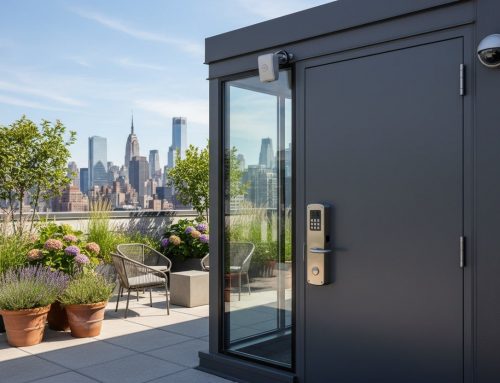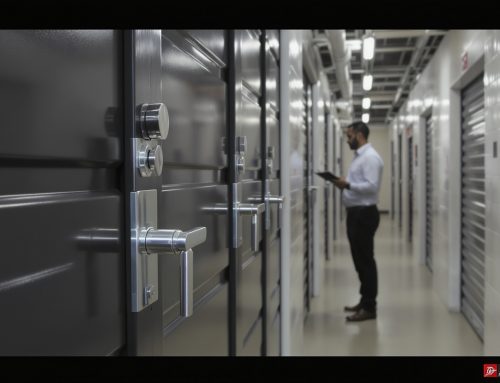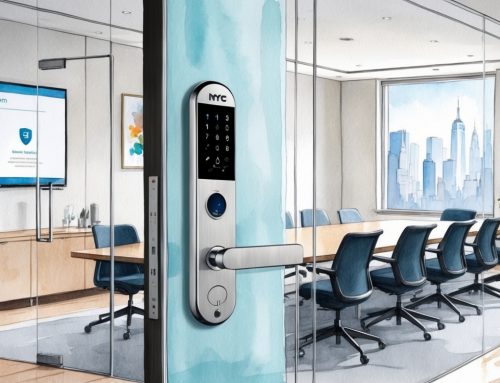
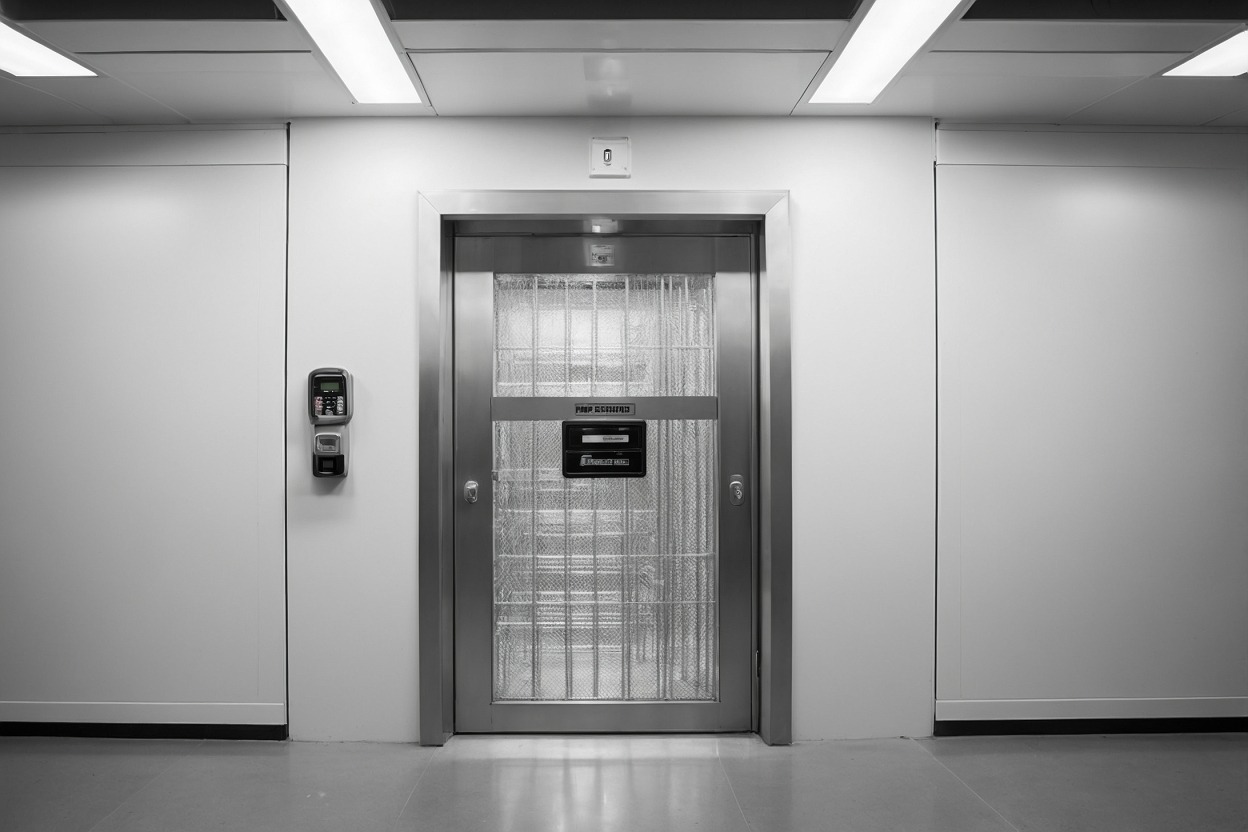
When it comes to securing HVAC rooms in New York City buildings, choosing the best lock options is essential for safety, compliance, and peace of mind. HVAC rooms often house critical infrastructure, making them a prime target for unauthorized access or tampering. At iLocksmiths, we understand the unique security challenges NYC property owners and facility managers face. With over 11 years of experience, our team provides expert commercial locksmith services tailored to protect high-risk areas like mechanical and utility rooms. Whether you’re upgrading to high-security locks, installing electronic access control systems, or simply looking for durable lock solutions that meet local building codes, iLocksmiths is here to help. Our 24/7 locksmith services ensure fast response times and reliable support whenever you need it. Trust iLocksmiths to deliver the best lock options for NYC building HVAC rooms—because your building’s safety starts with the right security solutions.
Understanding the Security Needs of HVAC Rooms in NYC Buildings
Securing HVAC rooms in NYC buildings is a critical aspect of overall facility safety and operational efficiency. These rooms house essential systems that regulate air quality, temperature, and ventilation—making them a prime target for unauthorized access or tampering. In a densely populated and high-risk environment like New York City, ensuring the integrity of HVAC systems is not just a matter of comfort, but also of public safety and compliance with building codes.
According to the U.S. Department of Energy, HVAC systems account for approximately 40% of a building’s total energy use. Any disruption or unauthorized access can lead to significant energy loss, system failure, or even security breaches. Therefore, choosing the right locking mechanisms is essential for protecting these vital areas.
“A secure HVAC room is the first line of defense against environmental hazards and unauthorized system manipulation,” says a report by the National Institute of Building Sciences.
When evaluating the best lock options, building managers should consider:
- High-security deadbolts with restricted keyways
- Electronic keypad locks with audit trails
- Smart locks integrated with building access control systems
For tailored solutions, NYC property owners can explore our specialized commercial locksmith services or consult with experts through our contact page.
Additionally, for those managing properties in Brooklyn neighborhoods like Park Slope or Greenpoint, localized support ensures fast response and expert service.
For more information on HVAC security standards, visit the official ASHRAE website: https://www.ashrae.org.
Key Features to Look for in HVAC Room Locks
When selecting the best lock options for HVAC rooms in NYC buildings, it’s essential to focus on features that ensure both security and functionality. HVAC rooms often house critical infrastructure, making them a target for unauthorized access or tampering. One of the most important features to consider is high-security locking mechanisms, such as electronic or smart locks, which offer keyless entry and access control. These systems can be integrated with building security for real-time monitoring and restricted access.
Durability is another key factor. Locks installed in HVAC rooms must withstand harsh environmental conditions, including temperature fluctuations, humidity, and dust. Look for locks made from corrosion-resistant materials and those rated for industrial or commercial use. Additionally, fire-rated locks can provide extra protection in case of emergencies.
Ease of maintenance and compatibility with existing security systems are also crucial. Choosing locks that can be easily serviced or upgraded helps reduce long-term costs and ensures continued protection. For commercial properties, working with a trusted commercial locksmith can help identify the most suitable locking solutions tailored to your building’s needs.
If you’re located in Brooklyn, especially areas like Midwood, partnering with local experts ensures faster service and better understanding of regional security requirements. Investing in the right HVAC room locks not only safeguards vital equipment but also enhances the overall security of your property.
Top Traditional Lock Options for HVAC Security
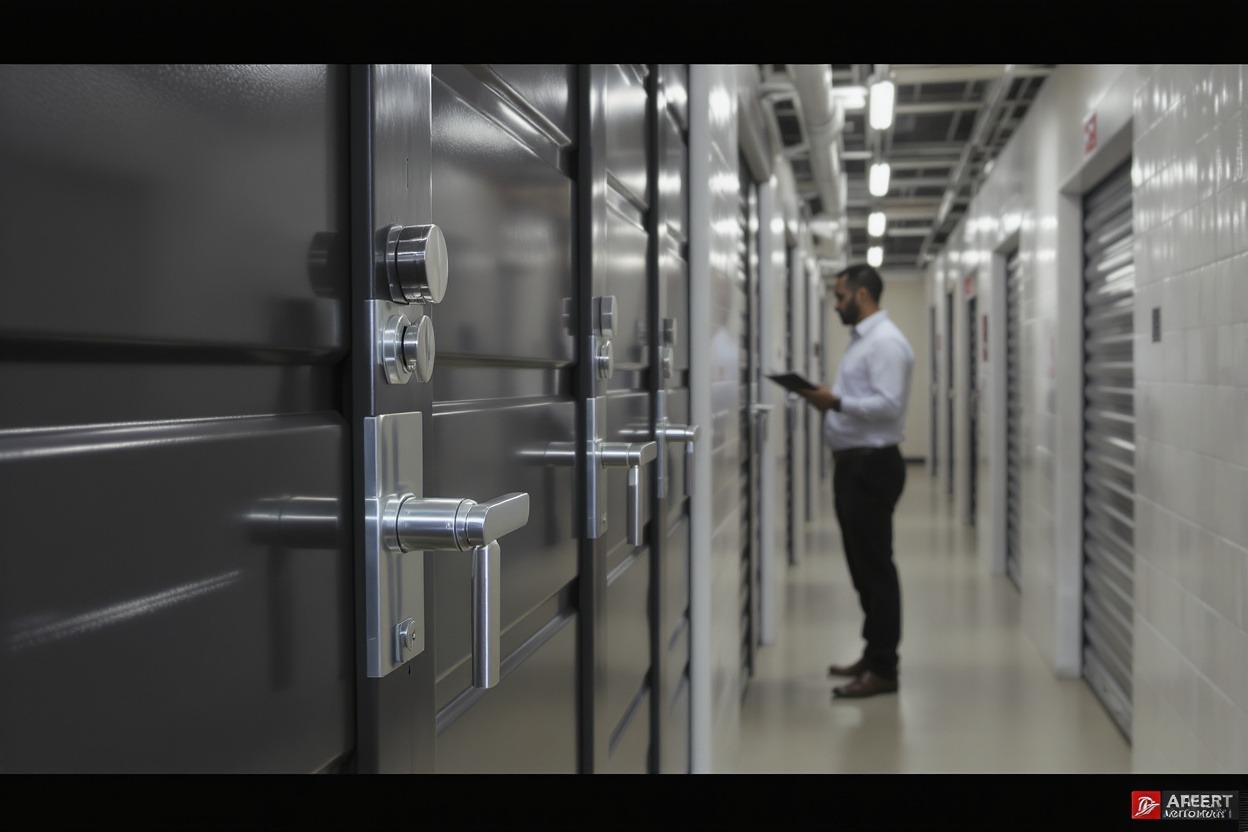
When it comes to securing HVAC rooms in NYC buildings, traditional lock options remain a reliable and cost-effective choice. These locks offer a proven level of protection, especially in commercial and residential properties where access control is critical. Among the most commonly used traditional locks are deadbolts, mortise locks, and padlocks. Deadbolts, particularly those with a double-cylinder mechanism, provide enhanced resistance against forced entry. Mortise locks, often found in older buildings, are known for their durability and strength, making them ideal for high-traffic areas.
Padlocks, when paired with heavy-duty hasps, offer flexibility and can be used on a variety of HVAC enclosures. These locks are especially useful for securing outdoor units or temporary access points. For building managers in areas like Midwood or Bay Ridge, choosing the right traditional lock can significantly reduce the risk of unauthorized access and equipment tampering.
While traditional locks may lack the advanced features of smart systems, their simplicity and mechanical reliability make them a solid first line of defense. Regular maintenance and proper installation are key to maximizing their effectiveness. For added security, consider combining traditional locks with surveillance solutions or access control systems to create a layered security approach.
Best Electronic and Smart Locks for HVAC Rooms
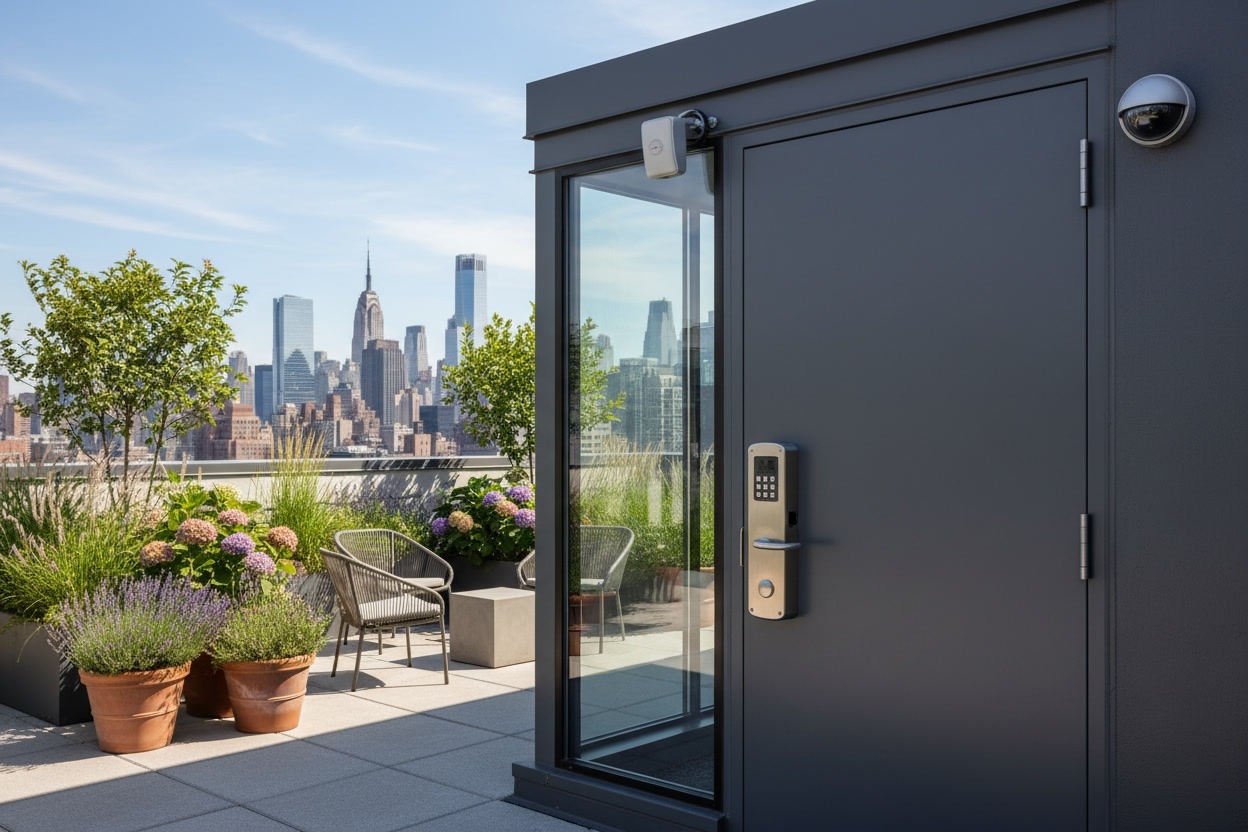
When it comes to securing HVAC rooms in NYC buildings, electronic and smart locks offer advanced protection, convenience, and control. These high-tech locking systems are ideal for managing access to critical infrastructure areas, such as HVAC rooms, where only authorized personnel should enter. Smart locks can be integrated with access control systems, allowing building managers to monitor entry logs, set user permissions, and even grant remote access when needed.
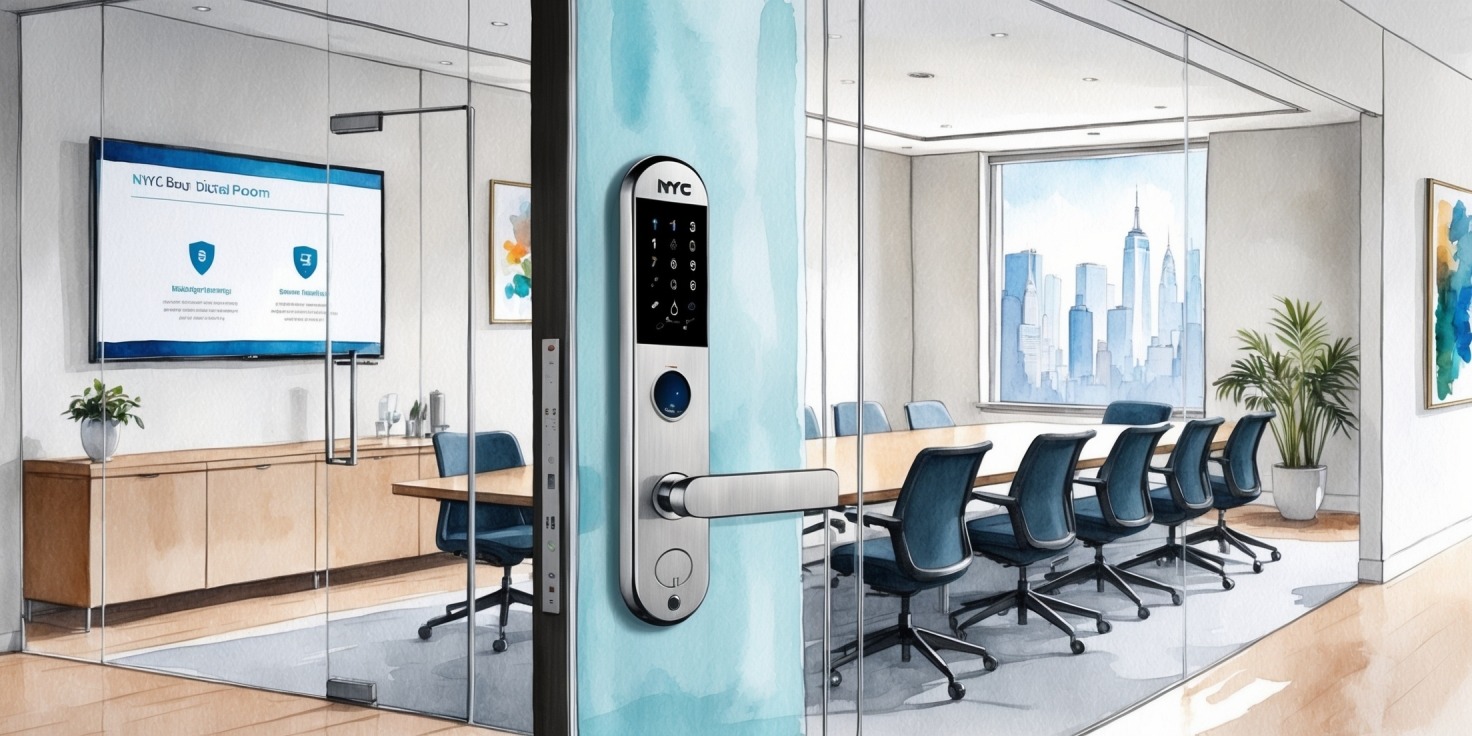
Popular options include keypad locks, biometric fingerprint scanners, and Bluetooth-enabled smart locks. These systems eliminate the need for traditional keys, reducing the risk of unauthorized duplication. Many models also feature tamper alerts and real-time notifications, enhancing overall building security.
Choosing the right smart lock depends on the specific needs of your facility. For commercial properties, it’s essential to work with a trusted commercial locksmith who understands the unique security requirements of HVAC systems. Additionally, property owners in areas like Brooklyn or Queens can benefit from local expertise by exploring our Brooklyn service areas.
Investing in electronic and smart locks not only improves security but also streamlines access management, making them a top choice for modern NYC buildings. Whether upgrading an existing system or installing new locks, professional guidance ensures optimal performance and compliance with local safety standards.
Compliance with NYC Building Codes and Regulations
When selecting the best lock options for HVAC rooms in New York City buildings, compliance with local building codes and regulations is not just recommended—it’s essential. NYC’s building codes are designed to ensure safety, accessibility, and security, particularly in areas like HVAC rooms that house critical infrastructure. These codes often require specific lock types, such as those that allow for emergency access or are compatible with fire safety systems.
Property owners and facility managers must ensure that the locks installed meet the standards set by the NYC Department of Buildings and the Fire Department of New York (FDNY). For example, mechanical and electronic locks used in HVAC rooms must not obstruct emergency personnel access and should support quick egress in case of fire or system failure. Choosing code-compliant locks helps avoid costly fines and ensures the safety of both building occupants and maintenance personnel.
Working with a professional commercial locksmith who understands NYC’s complex regulations is crucial. They can recommend and install lock systems that meet both security needs and legal requirements. Whether you manage a residential high-rise or a commercial facility, ensuring code compliance is a smart investment in your property’s safety and functionality.
For expert guidance and installation services, reach out through our contact page to speak with a licensed locksmith familiar with NYC’s building codes.
Tips for Maintaining and Inspecting HVAC Room Locks
Regular maintenance and inspection of HVAC room locks are essential for ensuring the security and functionality of your building’s mechanical systems. In a city like New York, where building codes and safety standards are stringent, keeping these locks in optimal condition helps prevent unauthorized access and potential system disruptions. Begin by scheduling routine inspections to check for signs of wear, rust, or tampering. Pay close attention to the locking mechanism, strike plate, and door alignment, as even minor issues can compromise security.
Lubricate the lock components periodically using a graphite-based lubricant to maintain smooth operation. Avoid oil-based products, which can attract dust and debris. It’s also wise to test the lock’s functionality regularly—ensure it locks and unlocks smoothly and that keys or access codes are working properly. If your HVAC room uses electronic or smart locks, check battery levels and software updates to avoid malfunctions.
For added peace of mind, consider working with a professional commercial locksmith who can provide expert assessments and timely repairs. If you’re located in Brooklyn, our team at iLocksmiths Midwood is ready to assist with comprehensive lock maintenance services tailored to your building’s needs. Proactive care not only extends the life of your locks but also reinforces the overall security of your HVAC systems.
Choosing the Right Lock Based on Building Type and Usage
When selecting the best lock for HVAC rooms in NYC buildings, it’s essential to consider the building type and how the space is used. Commercial buildings, for instance, often require high-security locks due to increased foot traffic and the need to protect valuable equipment. In contrast, residential buildings may benefit from durable yet user-friendly locking systems that allow easy access for maintenance personnel while still ensuring safety.
For commercial properties, heavy-duty deadbolts or electronic keypad locks are ideal, offering both security and controlled access. These options are particularly effective in multi-tenant buildings or facilities with frequent service visits. On the other hand, smaller residential buildings might opt for smart locks or mechanical locks that balance convenience with protection. Understanding the specific needs of each environment helps in choosing a lock that not only secures the HVAC room but also complies with local building codes and safety standards.
Additionally, working with a trusted local locksmith ensures proper installation and maintenance. At iLocksmiths Commercial Locksmith, we provide tailored solutions for various building types across New York City. Whether you’re managing a high-rise in Manhattan or a brownstone in Brooklyn, our team can recommend the most effective locking systems. For personalized assistance, don’t hesitate to contact us today and secure your HVAC rooms with confidence.
In conclusion, securing HVAC rooms in NYC buildings is not just a matter of compliance—it’s essential for safety, efficiency, and peace of mind. With the city’s unique building codes, high population density, and diverse infrastructure, choosing the right lock system is critical. Whether you opt for high-security mechanical locks, electronic keypad systems, or advanced smart locks with access control integration, the key is to select a solution that balances security, accessibility, and durability. By investing in the best lock options tailored to your building’s specific needs, you help ensure the protection of vital HVAC equipment and contribute to the overall safety and functionality of your property.