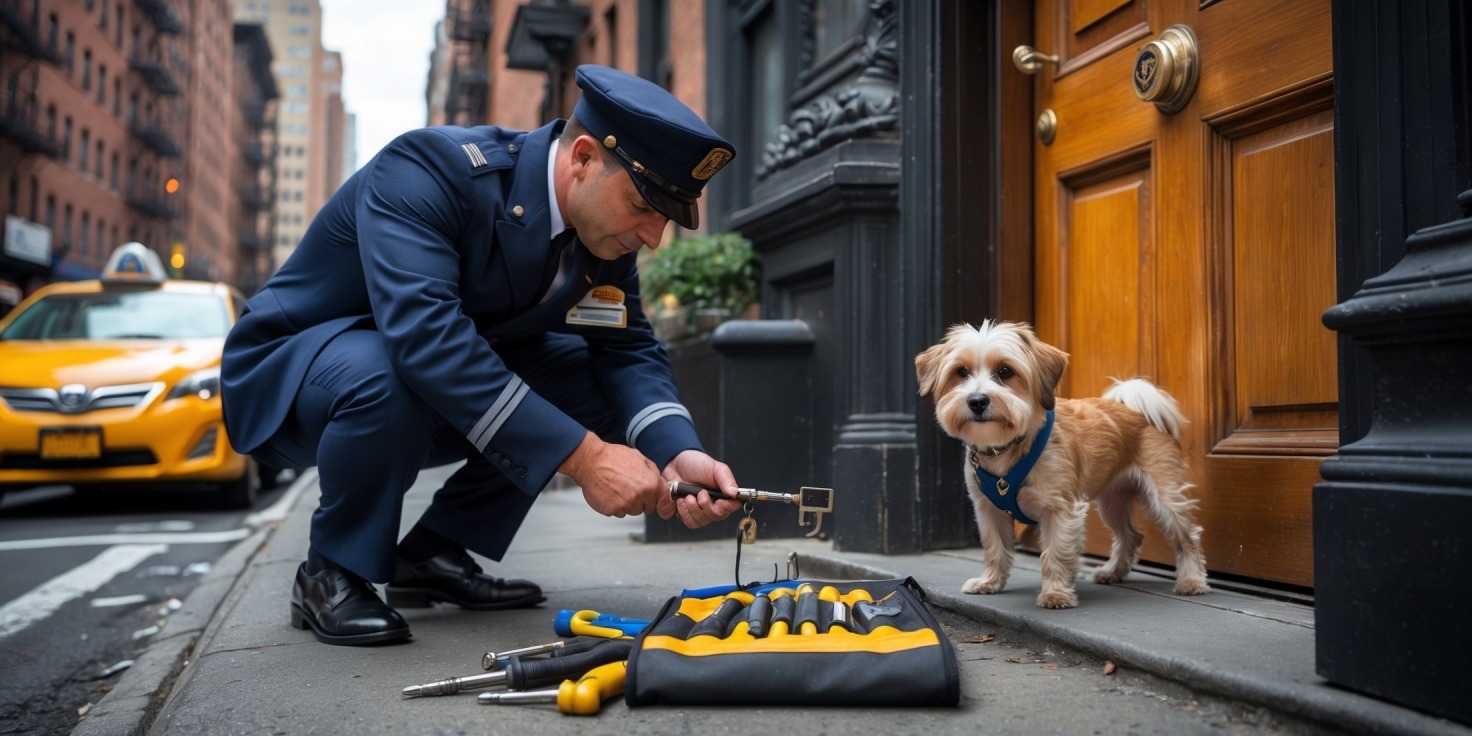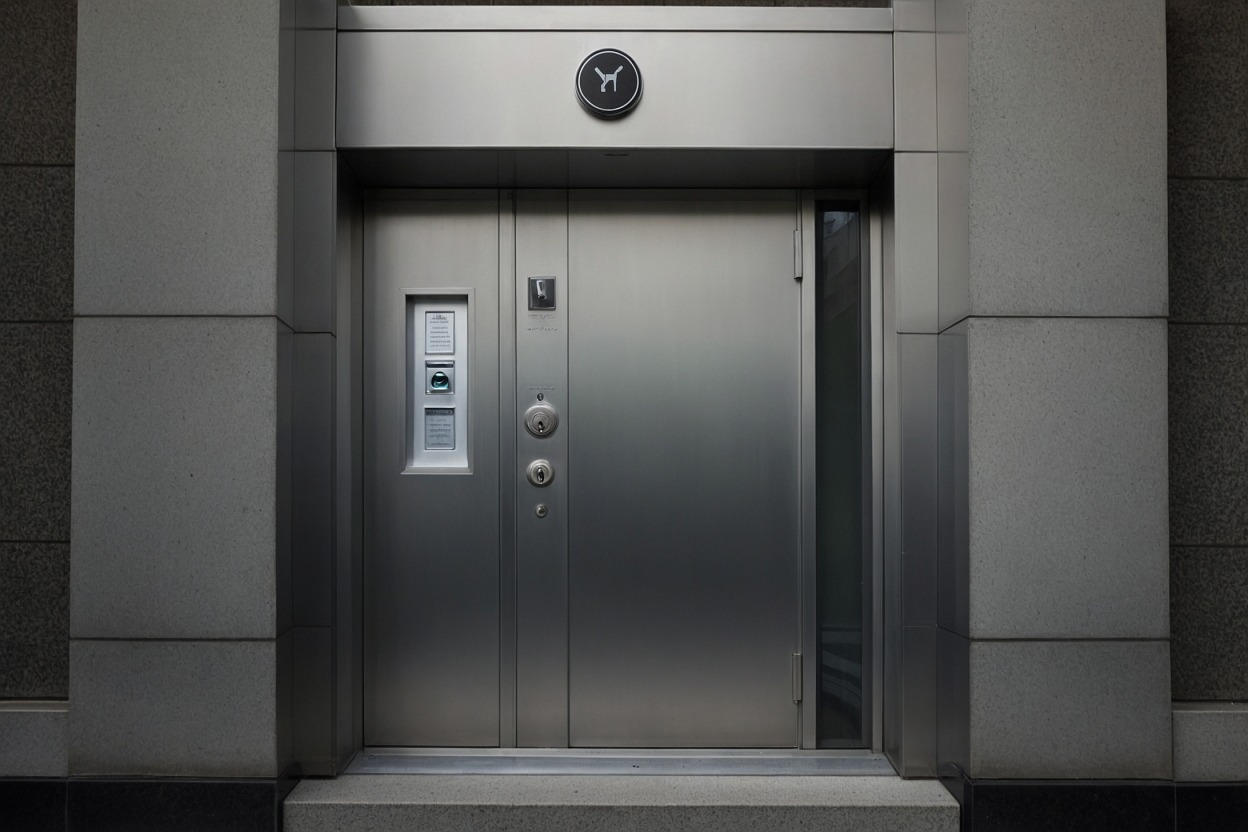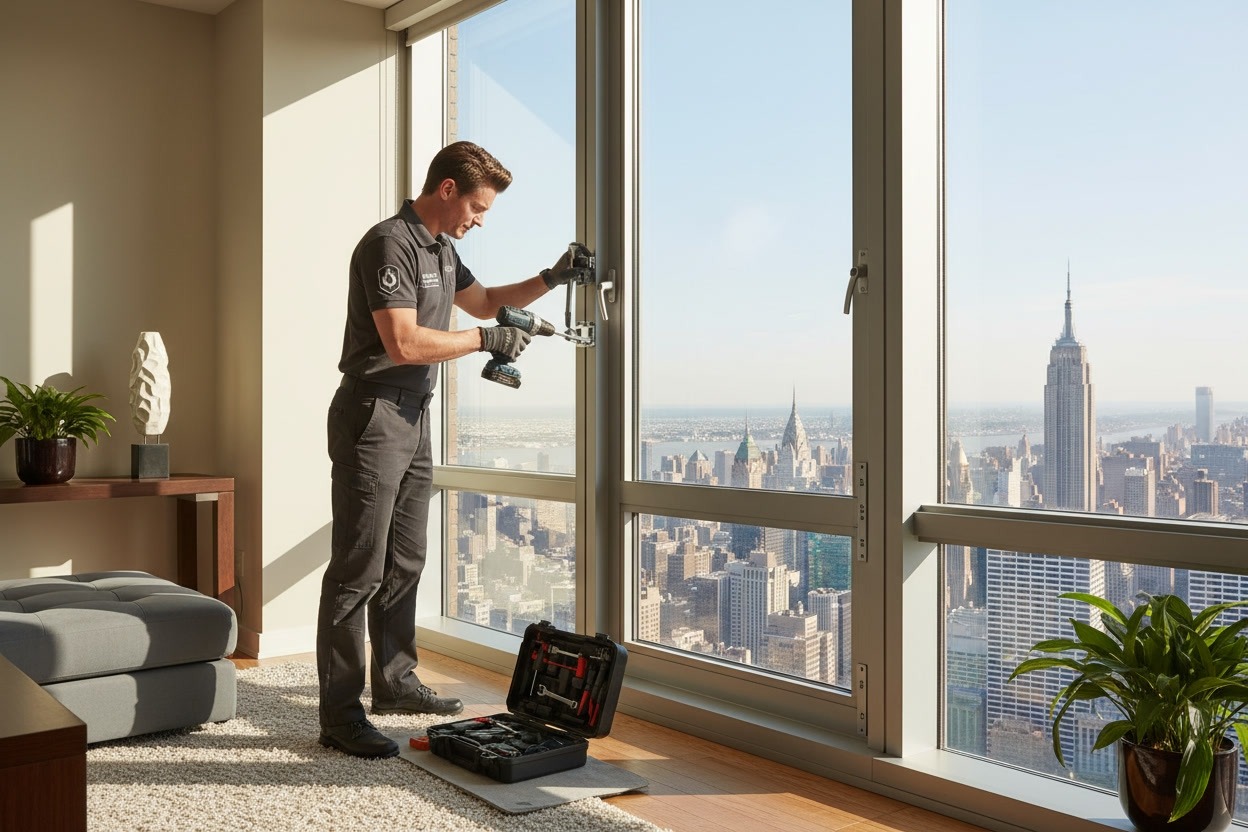
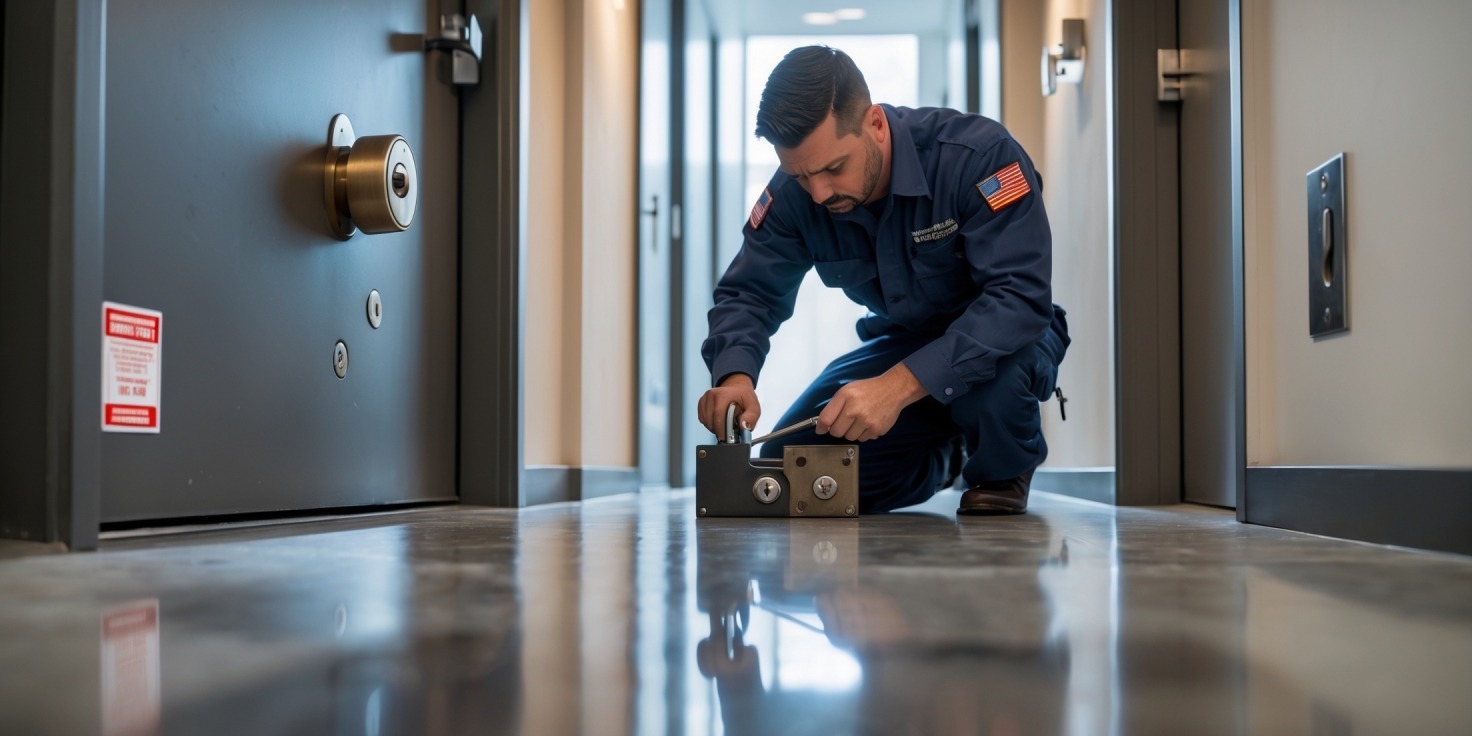
When it comes to securing your New York City apartment, choosing the best locks for NYC apartment fire doors is essential for both safety and compliance with local building codes. Fire-rated doors require specific types of locks that not only provide strong security but also meet fire safety regulations. Whether you’re a tenant or a property owner, understanding which locks are suitable for these doors can help protect your home and loved ones. At iLocksmiths, we understand the unique security challenges faced by NYC residents. With over 11 years of experience, our team offers expert advice and 24/7 locksmith services tailored to residential, commercial, and automotive needs. Our fast response time and dedication to customer satisfaction have made us a trusted name in New York City. In this guide, we’ll explore the top-rated fire door locks, including deadbolts, mortise locks, and smart lock options, to help you make an informed decision for your apartment’s safety and compliance.
Understanding NYC Fire Door Regulations
New York City has some of the most stringent fire safety regulations in the United States, and for good reason. With its dense population and high-rise buildings, ensuring fire safety is not just a matter of compliance but a critical component of public safety. One of the key elements in this framework is the regulation of fire doors in residential and commercial buildings. Understanding these regulations is essential for both property owners and tenants, especially when selecting the best locks for NYC apartment fire doors.
Fire doors serve a vital role in containing fires and preventing the spread of smoke and flames throughout a building. According to the New York City Fire Code and the NYC Building Code, fire doors must be self-closing and self-latching, and they must be able to withstand fire for a specified period, typically 20, 45, 60, or 90 minutes depending on their location and purpose. These doors are often installed in corridors, stairwells, and between different occupancy areas to create a barrier that slows the spread of fire, giving occupants more time to evacuate and first responders more time to control the situation.
The NYC Department of Buildings (DOB) and the Fire Department of New York (FDNY) are the primary agencies responsible for enforcing fire door regulations. These agencies conduct regular inspections to ensure compliance with fire safety codes. Non-compliance can result in hefty fines, legal liabilities, and, more importantly, increased risk to life and property. Therefore, it is crucial to ensure that any modifications to fire doors, including the installation of locks, do not compromise their fire-resistance capabilities.
One of the most common misconceptions is that any lock can be installed on a fire door. In reality, only fire-rated hardware that has been tested and approved for use on fire doors can be used. This includes locks, hinges, door closers, and other components. The National Fire Protection Association (NFPA) 80 standard outlines the requirements for fire door assemblies, including the types of locks that are permissible. For example, deadbolts that require a key to unlock from the inside are generally not allowed on fire doors because they can impede emergency egress.
"Fire doors must be equipped with hardware that allows for free egress at all times, without the use of keys, tools, or special knowledge." – NFPA 80
In NYC, Local Law 26 of 2004 further mandates that all fire doors in high-rise office buildings must be self-closing and equipped with fire-rated hardware. This law was enacted in response to the tragic events of September 11, 2001, and aims to enhance the fire safety infrastructure of the city’s buildings. Additionally, the NYC Housing Maintenance Code requires that fire doors in residential buildings be maintained in good working condition and that any defective components be repaired or replaced promptly.
When selecting locks for NYC apartment fire doors, it is essential to choose products that are UL-listed or certified by other recognized testing laboratories. These certifications indicate that the lock has been tested for fire resistance and meets the necessary safety standards. Mortise locks with fire-rated certifications are often preferred for their durability and compliance with fire codes. Electronic locks can also be used, provided they are fire-rated and allow for free egress in case of an emergency.
Here are some examples of fire-rated lock types commonly used in NYC apartments:
- Mortise Locks: Known for their strength and fire-resistance, these locks are often used in commercial and high-end residential buildings.
- Fire-Rated Cylindrical Locks: These are easier to install and are suitable for many residential applications.
- Electronic Fire-Rated Locks: These offer keyless entry and can be integrated with building security systems, provided they meet fire safety standards.
It is also important to consider the compatibility of the lock with the door’s fire rating. Installing a non-compliant lock can void the fire door’s certification, rendering it ineffective in a fire emergency. Property owners should consult with certified locksmiths who are familiar with NYC fire codes to ensure proper installation. For those in need of professional assistance, our team at iLocksmiths offers expert guidance and installation services that comply with all local regulations.
Another critical aspect of fire door compliance is regular maintenance and inspection. According to NFPA 80, fire doors must be inspected annually, and a written record of the inspection must be maintained. These inspections check for issues such as gaps around the door, damaged seals, and malfunctioning hardware. Any deficiencies must be corrected immediately to maintain compliance and ensure the safety of building occupants.
"Annual fire door inspections are not just a recommendation—they are a requirement under NFPA 80 and NYC fire codes."
In addition to annual inspections, tenants and building managers should perform routine checks to ensure that fire doors are not propped open, blocked, or otherwise compromised. Even a small obstruction can prevent a fire door from closing properly, significantly reducing its effectiveness in a fire.
For those living in specific neighborhoods, local compliance may also be influenced by community-specific regulations or building management policies. For example, residents in areas like Park Slope or Midwood should consult with their building management or local fire safety officials to ensure they are meeting all applicable requirements.
The importance of adhering to NYC fire door regulations cannot be overstated. According to the National Fire Protection Association, properly functioning fire doors can reduce fatalities and property damage by containing fires and allowing more time for evacuation. In fact, a study by the NFPA found that buildings with properly maintained fire doors had 65 percent fewer fatalities during fire incidents compared to those without.
For more detailed information on fire door regulations and compliance, you can refer to the following resources:
- NFPA 80: Standard for Fire Doors and Other Opening Protectives
- NYC Building Code
- NYC Fire Code 2022
In conclusion, understanding and complying with NYC fire door regulations is essential for ensuring the safety of apartment residents and the integrity of the building. When choosing locks for fire doors, it is not just about security but also about compliance with fire safety standards. Always opt for fire-rated hardware, consult with certified professionals, and conduct regular inspections to maintain a safe living environment. For expert advice and installation services, feel free to contact our team at iLocksmiths.
Why Fire Door Locks Matter in Apartment Safety
In a bustling city like New York, where apartment living is the norm, fire safety is a critical concern for residents and property managers alike. Among the many components that contribute to a safe living environment, fire door locks play a pivotal role. These specialized locks are not just about securing entry points; they are integral to maintaining the integrity of fire-rated doors, which are designed to contain fires and prevent them from spreading rapidly through a building. In the event of a fire, every second counts, and a properly functioning fire door lock can mean the difference between life and death. Fire doors are engineered to withstand high temperatures and block smoke and flames, but they can only perform effectively if the locking mechanisms are compliant with fire safety codes and standards. Inadequate or non-compliant locks can compromise the door’s ability to close securely, rendering it ineffective during an emergency.
Moreover, in densely populated areas such as NYC, where apartment buildings often house dozens or even hundreds of residents, the importance of fire door locks becomes even more pronounced. A malfunctioning or improperly installed lock can delay evacuation efforts, increase the risk of injury, and potentially lead to legal liabilities for property owners. This is why choosing the best locks for NYC apartment fire doors is not just a matter of convenience or security—it is a fundamental aspect of building safety. Fire door locks must strike a delicate balance between accessibility and security. They need to allow for quick and easy egress in emergencies while also preventing unauthorized access during normal conditions. This dual functionality requires expert knowledge and professional installation, which is why many residents and property managers turn to trusted local services like residential locksmith professionals who understand the unique requirements of NYC building codes.
Additionally, fire door locks must be regularly inspected and maintained to ensure they remain in optimal working condition. Over time, wear and tear, environmental factors, and even minor misalignments can affect the performance of a lock. Routine maintenance by experienced technicians can help identify potential issues before they become serious problems. For those living in areas like Brooklyn or Queens, having access to reliable locksmith services is essential. Whether you are upgrading your current fire door locks or installing new ones, working with a reputable provider ensures compliance with local regulations and enhances the overall safety of your living space. If you are unsure about the condition of your fire door locks or need professional advice, reaching out through the contact page of a trusted locksmith service can be the first step toward a safer home environment.
In conclusion, fire door locks are a critical component of apartment safety in NYC. They serve not only to secure property but also to protect lives by ensuring that fire doors function as intended during emergencies. Investing in high-quality, code-compliant locks and partnering with knowledgeable locksmith professionals can significantly enhance the safety and peace of mind for all residents.
Key Features to Look for in Fire Door Locks
When selecting the best locks for NYC apartment fire doors, it is essential to understand the key features that ensure both safety and compliance with local fire codes. Fire doors are a critical component of a building’s passive fire protection system, designed to prevent the spread of fire and smoke between compartments. Therefore, the locks installed on these doors must not only provide robust security but also maintain the door’s fire-resistance integrity. One of the most important features to look for is fire rating compliance. Locks used on fire doors must be UL-listed or certified by a recognized testing authority to withstand high temperatures for a specified period, typically 20, 45, 60, or 90 minutes. This certification ensures that the lock will not fail during a fire, allowing the door to perform its intended function.
Another crucial feature is self-latching capability. Fire doors are required by code to latch automatically when closed, which means the lock must engage without manual intervention. This feature is vital in emergency situations where occupants may not have the time or presence of mind to ensure the door is properly secured. Additionally, the lock should be compatible with door closers, which are often mandatory on fire doors to ensure they close completely after each use. The integration between the lock and the door closer must be seamless to maintain the door’s fire rating and functionality.
Ease of egress is also a significant consideration. In New York City, building codes and fire safety regulations mandate that occupants must be able to exit a building quickly and easily in the event of an emergency. Therefore, fire door locks should include panic hardware or lever handles that allow for swift and intuitive operation. Deadbolts or other locking mechanisms that require keys or complex actions to open from the inside are generally not permitted on fire-rated egress doors. Instead, look for locks that offer single-motion egress, which allows the door to be opened with a simple push or turn.
Durability and tamper resistance are equally important. Fire door locks in NYC apartments are subject to frequent use and must withstand daily wear and tear. High-quality materials such as stainless steel or heavy-duty brass are preferred for their strength and corrosion resistance. Additionally, the lock should feature tamper-proof screws and reinforced strike plates to deter forced entry attempts. For added security, consider locks with anti-pick, anti-drill, and anti-bump technologies, which provide enhanced protection against common break-in methods.
Another key feature is compatibility with access control systems. Many modern NYC apartment buildings are upgrading to smart security solutions that include keyless entry, remote access, and integration with building management systems. Fire door locks should be compatible with these technologies without compromising their fire rating. For example, electric strikes and magnetic locks can be used on fire doors if they are fail-safe and UL-rated for fire door use. These systems should also include battery backups or fail-safe mechanisms to ensure functionality during power outages.
It is also important to consider the lock’s compliance with the Americans with Disabilities Act (ADA). ADA-compliant locks are designed to be easily operable by individuals with physical limitations, which is particularly important in multi-unit residential buildings. Features such as lever handles, low operating force, and clear signage contribute to a lock’s accessibility and usability for all residents.
Installation and maintenance are additional factors that should not be overlooked. Even the best fire door lock will not perform effectively if it is not installed correctly. It is advisable to work with a professional locksmith who is experienced in fire door hardware and familiar with NYC building codes. Regular maintenance and inspections are also necessary to ensure the lock continues to function properly and remains compliant with fire safety regulations. For expert assistance, consider reaching out to a trusted residential locksmith who can provide guidance on the most suitable options for your specific needs.
Lastly, consider the aesthetic and design of the lock. While functionality and safety are paramount, the lock should also complement the overall look of your apartment door. Many manufacturers offer fire-rated locks in a variety of finishes and styles, allowing you to choose a product that aligns with your interior decor without sacrificing performance.
In summary, selecting the right lock for a fire door in a New York City apartment involves a careful evaluation of several critical features. These include fire rating certification, self-latching mechanisms, ease of egress, durability, tamper resistance, compatibility with access control systems, ADA compliance, and proper installation. By prioritizing these elements, you can ensure that your fire door lock not only enhances your home’s security but also contributes to the overall safety of the building. For more information or to schedule a consultation, you can contact a professional locksmith service that specializes in fire-rated hardware and understands the unique requirements of NYC residences.
Deadbolt vs. Mortise Locks: Which is Better for Fire Doors?
When it comes to securing NYC apartment fire doors, choosing the right type of lock is crucial not only for safety but also for compliance with local fire codes and building regulations. Two of the most commonly used locks for this purpose are deadbolt locks and mortise locks. Each has its own strengths and limitations, and understanding these differences can help residents and property managers make an informed decision about which lock is best suited for their fire-rated doors.
Deadbolt locks are widely recognized for their simplicity and effectiveness. They consist of a solid metal bolt that extends into the door frame when locked, providing a strong barrier against forced entry. Single-cylinder deadbolts, which require a key on the outside and a thumb turn on the inside, are the most common type used in residential settings. Double-cylinder deadbolts, which require a key on both sides, offer added security but may not be ideal for fire doors due to potential egress issues during emergencies. One of the main advantages of deadbolts is their affordability and ease of installation. They can be retrofitted onto most doors without the need for extensive modifications, making them a popular choice for tenants and landlords alike.
However, when it comes to fire doors, deadbolts may fall short in certain areas. Fire-rated doors are designed to withstand high temperatures and prevent the spread of flames and smoke for a specified period. To maintain their integrity, any hardware installed on these doors must also be fire-rated. Not all deadbolts meet this requirement, and using a non-compliant lock can compromise the door’s effectiveness and violate building codes. Additionally, deadbolts typically operate independently of the door handle, which can be a drawback in emergency situations where quick and intuitive egress is essential.
Mortise locks, on the other hand, are often considered a more robust and secure option for fire doors. These locks are installed within a pocket—or mortise—cut into the edge of the door, allowing for a more integrated and tamper-resistant setup. Mortise locks typically include a latch and a deadbolt in a single unit, which can be operated by a lever handle or knob. This design not only enhances security but also ensures smoother operation and better alignment with fire safety standards. Many mortise locks are UL-listed and specifically rated for use on fire doors, making them a reliable choice for NYC apartments where compliance is non-negotiable.
One of the key benefits of mortise locks is their durability. Built to withstand heavy use, they are commonly found in commercial buildings and high-traffic residential properties. Their complex internal mechanisms offer a higher level of security compared to standard deadbolts, which can be particularly important in densely populated urban environments like New York City. Furthermore, mortise locks often support additional features such as key control systems, which allow property managers to regulate who has access to certain areas. This can be especially useful in multi-unit buildings or co-ops where security and accountability are paramount.
Despite their advantages, mortise locks do come with some drawbacks. They are generally more expensive than deadbolts, both in terms of the hardware itself and the cost of installation. Installing a mortise lock requires precise cutting and fitting, which should be performed by a professional locksmith to ensure proper alignment and functionality. This can be a deterrent for budget-conscious property owners or tenants who are looking for a quick and affordable solution. However, the investment in a high-quality mortise lock can pay off in the long run by enhancing both security and compliance with fire safety regulations.
In the context of NYC apartment fire doors, the choice between a deadbolt and a mortise lock often comes down to the specific needs of the building and its occupants. For newer buildings or those undergoing renovations, installing mortise locks may be the preferred option due to their superior security features and compatibility with fire-rated doors. For older buildings or individual units where retrofitting is necessary, a fire-rated deadbolt may suffice, provided it meets all local codes and safety standards.
It is also important to consider the role of professional locksmith services in making this decision. A certified locksmith can assess the existing door and frame, determine whether it is fire-rated, and recommend the most suitable locking mechanism. They can also ensure that the installation is performed correctly, preserving the door’s fire rating and enhancing overall security. Residents in areas like Midwood or Greenpoint can benefit from local expertise that understands the unique challenges of securing NYC apartments.
Ultimately, both deadbolt and mortise locks have their place in residential security, but when it comes to fire doors, mortise locks generally offer a more comprehensive solution. Their integrated design, fire-rated options, and enhanced durability make them a smart investment for those looking to maximize both safety and compliance. However, for those seeking a more cost-effective and straightforward option, a properly rated deadbolt can still provide adequate protection when installed and maintained correctly.
Whether you are a tenant looking to upgrade your apartment’s security or a property manager responsible for multiple units, consulting with a professional locksmith is the best way to ensure that your fire doors are both secure and code-compliant. For more information or to schedule a consultation, visit our contact page or explore our full range of residential locksmith services.
Top-Rated Fire Door Locks for NYC Apartments
When it comes to securing NYC apartment fire doors, choosing the right lock is not just a matter of safety—it’s a legal and practical necessity. Fire doors are designed to prevent the spread of fire and smoke, and the locks used on them must comply with local fire codes while also providing robust security. In New York City, where building regulations are stringent and apartment living is the norm, selecting top-rated fire door locks is essential for both landlords and tenants. These locks must strike a balance between accessibility during emergencies and resistance to unauthorized entry. Fortunately, there are several high-quality options available that meet these criteria and are ideal for NYC apartments.
One of the most recommended types of locks for fire doors in NYC apartments is the mortise lock. Known for their durability and strength, mortise locks are embedded into the door itself, making them more secure than surface-mounted alternatives. Many models are UL-listed, meaning they have been tested and certified for fire resistance. These locks often come with heavy-duty deadbolts and are compatible with fire-rated doors, ensuring compliance with NYC fire safety regulations. Additionally, mortise locks offer a sleek, professional appearance that complements modern apartment aesthetics.
Another excellent choice is the panic bar or exit device, especially for multi-unit buildings or apartments with shared hallways. These devices allow for quick egress in case of an emergency while maintaining a secure lock from the outside. Panic bars are often required by code in buildings with high occupancy and are designed to be easy to operate under stress. Many panic bars can be paired with electric strikes or magnetic locks for added security and remote access control, making them a smart choice for landlords and property managers looking to enhance building safety.
Deadbolt locks, particularly those that are fire-rated and ANSI Grade 1 certified, are also a popular option for NYC apartment fire doors. These locks provide a high level of security and are often used in conjunction with other locking mechanisms for added protection. When selecting a deadbolt for a fire door, it’s crucial to ensure that it does not impede the door’s ability to close automatically and seal properly, as this is a key function of fire-rated doors. Some models are specifically designed for fire doors and include features such as heat-resistant materials and fail-safe mechanisms.
Smart locks are gaining popularity in NYC apartments, including those installed on fire doors. These locks offer the convenience of keyless entry, remote access, and integration with home security systems. However, not all smart locks are suitable for fire doors. It’s important to choose models that are UL-listed and meet local fire safety standards. Some smart locks are designed with fire-rated components and can be integrated with panic bars or mortise locks to provide both security and compliance. For tenants and landlords seeking modern solutions, smart locks offer a blend of technology and safety that is hard to beat.
In addition to the type of lock, the installation process plays a critical role in ensuring the effectiveness of fire door locks. Improper installation can compromise both the security and fire-resistance of the door. That’s why it’s advisable to work with experienced professionals who understand NYC building codes and fire safety requirements. At iLocksmiths, our team of certified locksmiths specializes in installing and maintaining fire door locks that meet all regulatory standards. Whether you’re upgrading your apartment’s security or managing a multi-unit building, our experts can help you choose and install the right lock for your needs.
Maintenance is another key factor in ensuring the long-term performance of fire door locks. Over time, locks can wear out or become misaligned, which can affect both security and fire safety. Regular inspections and timely repairs are essential to keep these locks functioning properly. Property owners and tenants should schedule routine maintenance checks, especially in older buildings where wear and tear is more common. For those in need of professional assistance, contacting a trusted locksmith service can ensure that your fire door locks remain in top condition year-round.
It’s also worth noting that NYC has specific requirements for fire door hardware, including self-closing mechanisms and latching systems. Any lock installed on a fire door must not interfere with these features. This means avoiding locks that require manual locking or those that can prevent the door from closing fully. Many top-rated fire door locks are designed with these considerations in mind, offering automatic locking and compatibility with door closers and seals.
For residents in areas like Brooklyn, Queens, and the Bronx, finding reliable fire door lock solutions is easier than ever. Local locksmith services are familiar with the unique challenges of NYC apartment buildings and can recommend products that are both compliant and effective. Whether you live in a historic brownstone or a modern high-rise, there are lock options tailored to your specific needs. For example, residents in Park Slope or other Brooklyn neighborhoods can benefit from locksmiths who understand the architectural nuances and security concerns of the area.
In conclusion, selecting the best locks for NYC apartment fire doors involves more than just picking a secure option—it requires understanding fire safety regulations, building codes, and the specific needs of your living space. From mortise locks and panic bars to smart locks and fire-rated deadbolts, there are a variety of top-rated options that offer both safety and peace of mind. By working with experienced professionals and choosing certified products, NYC residents can ensure their fire doors are both secure and compliant. Whether you’re a tenant looking to upgrade your apartment’s security or a property manager overseeing multiple units, investing in high-quality fire door locks is a smart and necessary decision.
Smart Locks Compatible with Fire-Rated Doors
When it comes to securing your NYC apartment, especially in buildings with strict fire safety regulations, choosing the right lock is more than just a matter of convenience — it’s a matter of compliance and safety. Smart locks have become increasingly popular for their advanced features, such as remote access, keyless entry, and integration with home automation systems. However, not all smart locks are suitable for fire-rated doors, which are commonly found in New York City apartments due to local building codes. Fire-rated doors are designed to withstand high temperatures and prevent the spread of fire for a specified period, typically 20, 45, 60, or 90 minutes. To maintain their integrity and certification, any hardware installed on these doors, including locks, must also be fire-rated and properly tested. Therefore, selecting a smart lock that is compatible with fire-rated doors is essential for both legal compliance and personal safety.
Smart locks designed for fire-rated doors are built to meet rigorous standards, such as those set by UL (Underwriters Laboratories) or BHMA (Builders Hardware Manufacturers Association). These certifications ensure that the lock will not compromise the fire-resistance capabilities of the door. In NYC, where fire safety regulations are strictly enforced, using a non-compliant lock can lead to fines, failed inspections, or even increased risk during emergencies. Fortunately, several manufacturers offer smart locks that are UL-certified for use on fire-rated doors, combining the latest in security technology with the durability and compliance required for urban living. These locks often feature reinforced materials, fail-safe mechanisms, and battery backup systems to ensure functionality even during power outages or emergencies.
One of the key benefits of using a smart lock on a fire-rated door is the ability to control access remotely. Whether you’re managing a rental property, coordinating deliveries, or simply want to let a friend in while you’re away, smart locks offer unparalleled convenience. Many models allow you to create temporary access codes, monitor entry logs, and receive real-time alerts through a smartphone app. This level of control is particularly valuable in densely populated areas like New York City, where security and accessibility must go hand in hand. Additionally, smart locks can be integrated with other smart home devices, such as security cameras and alarm systems, to create a comprehensive security ecosystem. For example, pairing a smart lock with a security camera allows you to visually verify who is at your door before granting access, adding an extra layer of protection.
Installation of smart locks on fire-rated doors must be done carefully to preserve the door’s certification. It’s recommended to work with professional locksmiths who are experienced in handling fire-rated hardware. Improper installation can void the fire rating of the door, making it non-compliant with NYC building codes. At iLocksmiths, our team of experts understands the intricacies of fire-rated door requirements and can help you choose and install a smart lock that meets all necessary standards. Whether you live in a high-rise apartment in Manhattan or a brownstone in Brooklyn, our residential locksmith services are tailored to meet the unique needs of NYC residents.
Another important consideration is the compatibility of the smart lock with your existing door hardware. Fire-rated doors often come with pre-installed components that cannot be altered without affecting the door’s certification. Therefore, it’s crucial to select a smart lock that fits seamlessly with your current setup. Many top-rated smart locks are designed to retrofit existing deadbolts, making them easier to install without compromising the door’s fire resistance. Brands like Schlage, Yale, and August offer models that are both smart and fire-rated, providing peace of mind without sacrificing modern convenience.
In addition to compliance and convenience, smart locks also offer enhanced security features that are particularly beneficial in urban environments. Features such as biometric access, two-factor authentication, and tamper alerts help deter unauthorized entry and provide real-time updates on any suspicious activity. These advanced capabilities make smart locks a worthwhile investment for NYC apartment dwellers who prioritize both safety and technology. Moreover, the ability to manage access remotely is especially useful for families, roommates, or property managers who need to coordinate entry for multiple individuals.
For those living in neighborhoods like Midwood or Bay Ridge, where many buildings feature older construction, upgrading to a smart lock compatible with fire-rated doors can also enhance property value and appeal. Our local teams at iLocksmiths Midwood and iLocksmiths Bay Ridge are well-versed in the specific challenges and requirements of these areas, ensuring that your upgrade is both compliant and effective. Whether you’re retrofitting an existing door or installing a new one, our professionals can guide you through the process from selection to installation.
In conclusion, choosing a smart lock for a fire-rated door in your NYC apartment is a decision that requires careful consideration of safety, compliance, and functionality. With the right product and professional installation, you can enjoy the benefits of modern security technology without compromising on fire safety standards. Smart locks offer a perfect blend of convenience and protection, making them an ideal choice for urban living. By working with experienced locksmiths and selecting certified products, you can ensure that your home remains secure, accessible, and up to code. Whether you’re upgrading your current system or outfitting a new apartment, smart locks compatible with fire-rated doors are a smart investment for any New Yorker. For more information or to schedule a consultation, feel free to contact us today.
How to Ensure Your Lock is Fire Code Compliant
When selecting the best locks for NYC apartment fire doors, it is essential to ensure that the lock you choose complies with local fire codes and safety regulations. New York City has strict building and fire safety codes that govern the types of locks that can be installed on fire-rated doors, especially in multi-unit residential buildings. These regulations are in place to ensure that in the event of a fire or emergency, occupants can exit the premises quickly and safely without obstruction. One of the most critical aspects of compliance is understanding the difference between standard locks and those approved for use on fire doors. Fire-rated doors are designed to withstand high temperatures and prevent the spread of flames and smoke for a specified period. Installing a non-compliant lock can compromise the integrity of the door and potentially void its fire rating.
To begin with, any lock installed on a fire-rated door must be UL-listed or carry a similar certification indicating it has been tested and approved for fire resistance. These locks are specifically engineered to function under extreme heat and pressure without failing. Additionally, the lock must allow for single-motion egress, meaning that occupants should be able to open the door from the inside without the use of a key, tool, or special knowledge. This is a key requirement under both the NYC Building Code and the National Fire Protection Association (NFPA) standards. Deadbolts that require a key to unlock from the inside are generally not permitted on fire-rated apartment doors for this reason.
Another important consideration is the type of locking mechanism. Mortise locks and panic bars are commonly used on fire doors because they offer durability and compliance with egress requirements. Mortise locks are often preferred in apartment settings for their strength and security, but they must be installed correctly and meet fire code specifications. Panic bars, also known as crash bars, are typically used in commercial settings but may also be suitable for residential buildings with high occupancy. These devices allow for quick exit with a simple push, making them ideal for emergency situations.
It is also crucial to ensure that the installation of the lock does not alter or damage the fire door in any way. Drilling additional holes or modifying the door structure can compromise its fire rating. Therefore, it is highly recommended to work with a licensed locksmith who is familiar with NYC fire codes and experienced in installing compliant hardware. A professional can assess your specific needs and recommend appropriate solutions that meet both safety standards and your security requirements. For residents in Brooklyn neighborhoods like Park Slope or Brighton Beach, local locksmith services are available to provide expert guidance and installation.
Regular maintenance and inspections are also part of ensuring ongoing compliance. Over time, locks can wear down or become misaligned, which may affect their performance during an emergency. Building owners and property managers should schedule periodic checks to verify that all fire door hardware is functioning correctly and remains in compliance with current codes. Any issues should be addressed promptly to avoid potential fines or safety hazards.
In addition to physical compliance, documentation is another key aspect. Property owners should keep records of all lock installations, including product specifications, certifications, and installation dates. This documentation can be useful during inspections by the NYC Department of Buildings or the Fire Department. It also provides peace of mind knowing that your building is up to code and your tenants are protected.
Finally, staying informed about updates to fire safety regulations is essential. Codes and standards can change, and what was compliant a few years ago may no longer meet current requirements. Working with a knowledgeable locksmith service that stays up to date with these changes can help ensure that your property remains safe and legally compliant. If you are unsure whether your current locks meet fire code standards, consider reaching out to a professional through our contact page for a consultation or inspection.
In summary, ensuring your lock is fire code compliant involves selecting certified hardware, adhering to egress requirements, avoiding door modifications, and working with experienced professionals. Regular maintenance and proper documentation further support compliance and safety. By taking these steps, you can enhance the security of your NYC apartment while ensuring that you meet all necessary fire safety regulations.
Installation Tips for Fire Door Locks in NYC
Installing fire door locks in NYC apartments requires careful attention to both safety regulations and practical functionality. Fire doors are a critical component of a building’s fire protection system, and the locks used on them must comply with local fire codes while also providing reliable security. Before beginning the installation process, it is essential to understand the specific requirements set by the New York City Department of Buildings and the Fire Department of New York (FDNY). These regulations ensure that fire doors can contain fires and allow for safe egress during emergencies. Therefore, choosing the right lock is only the first step; proper installation is equally important to maintain the door’s fire rating and functionality.
One of the most important considerations when installing a lock on a fire-rated door is ensuring that the hardware is UL-listed or certified for fire door use. This means the lock has been tested and approved to withstand high temperatures and maintain the integrity of the fire door. Avoid using standard residential locks that are not rated for fire doors, as they can compromise the door’s ability to resist fire. Additionally, the installation must not alter the door or frame in a way that affects its fire rating. For example, drilling oversized holes or cutting into the door improperly can void its certification. Always follow the manufacturer’s installation instructions precisely and use the recommended tools and components.
Another key factor is ensuring that the lock allows for easy egress. NYC fire codes require that occupants be able to exit a building quickly and without the use of keys, tools, or special knowledge. This means that the lock should be operable from the inside with a simple turn of a knob or push of a bar. Panic bars and lever handles are commonly used on fire doors for this reason. If you are installing a lock on a door that serves as an exit route, make sure it complies with the Americans with Disabilities Act (ADA) and local egress requirements. This not only ensures safety but also helps avoid potential fines or legal issues.
When installing fire door locks in multi-unit buildings or high-rise apartments, coordination with building management and possibly a licensed locksmith is often necessary. Professional locksmiths are familiar with NYC building codes and can ensure that the installation meets all legal and safety standards. They can also recommend the best lock types for your specific door and usage needs. For instance, a residential locksmith can help determine whether a mortise lock, cylindrical lock, or electric strike is most suitable for your apartment’s fire door. In cases where electronic access control is desired, such as keyless entry or smart locks, it is crucial to verify that the electronic components are also fire-rated and do not interfere with the door’s operation during a fire.
Proper alignment and secure mounting are essential for the lock to function correctly. Misaligned locks can cause the door to stick or fail to latch properly, which can be dangerous in an emergency. Use a level and measuring tape to ensure that the lock and strike plate are perfectly aligned. Reinforce the door frame if necessary to support the weight and stress of the lock, especially in high-traffic areas. It is also advisable to test the lock multiple times after installation to confirm that it latches securely and opens smoothly from the inside.
In addition to the lock itself, consider installing complementary hardware such as door closers and smoke seals. A door closer ensures that the fire door closes automatically after being opened, which is essential for containing smoke and flames. Smoke seals help prevent the spread of toxic gases and can improve the overall effectiveness of the fire door system. These components should also be fire-rated and installed according to manufacturer guidelines. Regular maintenance and inspections are crucial to ensure that all parts of the fire door assembly remain in good working condition.
If you are unsure about any aspect of the installation, it is best to consult with a professional. Many NYC residents rely on experienced locksmiths from trusted local providers like iLocksmiths. Whether you live in a historic brownstone or a modern high-rise, a knowledgeable locksmith can help you navigate the complexities of fire door lock installation. For residents in specific neighborhoods, such as Midwood or other parts of Brooklyn, local locksmith services are available to provide on-site assessments and installations tailored to your building’s needs.
Finally, always keep documentation of the lock’s fire rating, installation details, and any inspections performed. This information may be required during building inspections or in the event of a fire-related incident. Keeping your fire door locks up to code not only protects your property and loved ones but also contributes to the overall safety of your building and community. By following these best practices and working with qualified professionals, you can ensure that your NYC apartment is both secure and compliant with fire safety standards.
Common Mistakes to Avoid When Choosing a Lock
When selecting the best locks for NYC apartment fire doors, many residents unknowingly make critical mistakes that can compromise both their safety and compliance with local fire codes. One of the most common errors is choosing a lock that is not fire-rated. Fire doors are specifically designed to withstand high temperatures and prevent the spread of flames and smoke. Installing a non-fire-rated lock can render the entire door non-compliant, potentially putting lives at risk and violating building regulations. It is essential to ensure that any lock installed on a fire door is UL-listed or certified for fire door use to maintain the integrity of the door and meet legal standards.
Another frequent mistake is prioritizing aesthetics over functionality. While it is natural to want a lock that complements your apartment’s interior design, the primary function of a fire door lock is to provide security and fire resistance. Decorative locks that lack the necessary durability or fire rating can be a weak point in your home’s safety infrastructure. Instead, opt for locks that are specifically engineered for fire doors and then consider their appearance as a secondary factor. This approach ensures that you do not sacrifice safety for style.
Improper installation is also a significant issue. Even the best lock will fail to perform effectively if it is not installed correctly. Many apartment dwellers attempt to install locks themselves or hire unqualified individuals to save money. However, incorrect installation can lead to misalignment, reduced fire resistance, and even complete lock failure during an emergency. It is always advisable to work with a professional locksmith who understands the specific requirements of fire-rated doors. For expert assistance, consider reaching out to a trusted residential locksmith who can ensure proper installation and compliance with NYC regulations.
Choosing the wrong type of lock for your specific door is another pitfall. Not all locks are suitable for every fire door. For instance, deadbolts without automatic latching mechanisms may not be compliant with fire safety codes, which often require doors to latch automatically when closed. Additionally, some locks may interfere with the door’s ability to close fully, which is a critical function in containing fire and smoke. It is important to consult with a knowledgeable locksmith who can recommend the appropriate lock type based on your door’s specifications and usage.
Neglecting to consider the building’s fire safety plan and egress requirements is another oversight. In NYC, fire doors are often part of a larger fire safety system that includes designated escape routes and emergency access points. Installing a lock that hinders quick egress or does not allow for emergency access by first responders can be dangerous and illegal. For example, double-cylinder deadbolts that require a key to open from both sides can trap occupants inside during a fire if the key is not readily available. Always choose locks that allow for easy exit without compromising security.
Failing to maintain or inspect locks regularly is a mistake that can lead to malfunction when it matters most. Over time, locks can wear out, become misaligned, or accumulate debris that affects their operation. Regular maintenance checks by a professional locksmith can help identify and resolve issues before they become serious problems. If you live in a high-traffic building or have experienced issues with your lock in the past, it is especially important to schedule periodic inspections. You can easily contact a local expert to perform a thorough evaluation and maintenance of your fire door locks.
Another common error is overlooking the compatibility of the lock with other security systems in the building. Many modern apartment buildings in NYC use integrated security systems that include access control, intercoms, and surveillance cameras. Installing a lock that is not compatible with these systems can create security gaps or operational issues. For instance, a lock that does not sync with the building’s access control system may prevent authorized entry or fail to log access events. It is crucial to select a lock that works seamlessly with your building’s existing infrastructure to ensure both safety and convenience.
Residents also sometimes ignore the importance of brand reputation and product reviews. With so many lock options available on the market, it can be tempting to choose the cheapest or most readily available product. However, not all locks are created equal. Reputable brands invest in rigorous testing and quality control to ensure their products meet safety standards. Before making a purchase, take the time to research different brands, read customer reviews, and consult with professionals who can provide informed recommendations based on real-world experience.
Lastly, failing to consider future needs can lead to additional costs and complications down the line. For example, if you plan to upgrade your apartment’s security system or anticipate changes in building regulations, it is wise to choose a lock that can be easily adapted or upgraded. Some modern locks offer modular designs or smart features that can be integrated into broader home automation systems. Thinking ahead can save you time, money, and hassle in the future.
In conclusion, choosing the right lock for your NYC apartment fire door involves more than just picking a product off the shelf. It requires careful consideration of fire safety compliance, proper installation, compatibility with existing systems, and long-term reliability. Avoiding these common mistakes can significantly enhance your home’s safety and ensure that you remain compliant with local regulations. For personalized guidance and professional service, consider consulting with a trusted locksmith in your area. Whether you are upgrading your current lock or installing a new one, working with a knowledgeable expert can make all the difference in securing your home effectively. If you are located in Brooklyn, you may want to explore services available in Greenpoint or other nearby neighborhoods to find the right support for your needs.
How to Maintain and Inspect Fire Door Locks
Maintaining and inspecting fire door locks in NYC apartments is essential for ensuring both safety and compliance with local fire codes. Fire doors are a critical component of a building’s passive fire protection system, designed to contain fire and smoke, allowing residents more time to evacuate safely. However, even the best locks for NYC apartment fire doors can become ineffective if not properly maintained. Regular inspection and maintenance not only extend the lifespan of the locks but also ensure that they function correctly during emergencies. In a city like New York, where building safety regulations are stringent, staying proactive with fire door lock maintenance is not just a recommendation—it’s a necessity.
The first step in maintaining fire door locks is to establish a routine inspection schedule. Ideally, fire door locks should be checked at least once every six months, although high-traffic buildings may require more frequent inspections. During these checks, it’s important to look for signs of wear and tear, such as rust, loose screws, or misalignment. Any visible damage can compromise the lock’s integrity and should be addressed immediately. Additionally, ensure that the door closes and latches fully without resistance. A fire door that doesn’t close properly can fail to contain fire and smoke, rendering the lock ineffective regardless of its quality.
Lubrication is another key aspect of lock maintenance. Over time, dust and debris can accumulate inside the locking mechanism, causing it to jam or operate sluggishly. Use a dry lubricant specifically designed for locks to keep the internal components functioning smoothly. Avoid oil-based lubricants, as they can attract more dirt and grime, leading to further complications. Regular lubrication not only improves performance but also reduces the risk of lock failure during an emergency.
It’s also crucial to test the locking mechanism for proper operation. This includes checking the latch, deadbolt, and any electronic components if the lock is part of a smart security system. For electronic or smart locks, ensure that the batteries are replaced regularly and that the software is up to date. Malfunctioning electronic components can delay access or egress during emergencies, which can be life-threatening in a fire situation. If your fire door lock is integrated with a building-wide security system, coordinate with your building management or a professional locksmith to ensure compatibility and functionality.
In addition to mechanical and electronic checks, compliance with local fire codes should be verified. NYC fire codes have specific requirements for fire door hardware, including the type of locking mechanisms allowed. For example, fire doors must be self-latching and should not require a key or special knowledge to open from the inside. If your lock does not meet these criteria, it may need to be replaced or upgraded. Consulting with a certified locksmith who understands NYC regulations can help ensure that your fire door locks are both safe and compliant. For expert assistance, consider reaching out to a trusted residential locksmith who specializes in fire door security.
Another important aspect of fire door lock maintenance is documentation. Keep a log of all inspections, maintenance activities, and repairs. This record can be invaluable during fire safety audits or insurance claims. It also helps in tracking the performance and reliability of the locks over time, making it easier to identify recurring issues or determine when a replacement is necessary.
Training residents or building staff on the proper use of fire door locks is equally important. Misuse, such as propping doors open or tampering with the locking mechanism, can compromise the door’s ability to function during a fire. Educational signage and periodic reminders can go a long way in promoting responsible behavior. In multi-unit buildings, it may be beneficial to conduct brief training sessions or distribute informational materials about fire door safety.
When repairs or replacements are needed, always use certified hardware that meets fire safety standards. Not all locks are suitable for fire doors, and using the wrong type can result in code violations or reduced effectiveness. Work with a professional locksmith who can recommend and install the appropriate hardware. If you’re located in Brooklyn or nearby areas, you can find specialized services through providers like iLocksmiths in Brooklyn, who understand the unique security needs of NYC apartments.
Finally, consider integrating your fire door locks into a broader security and safety strategy. This might include installing security cameras to monitor access points or upgrading to smart locks that provide real-time alerts and remote access. These enhancements not only improve security but also add an extra layer of safety in emergency situations. For comprehensive solutions, you can explore services offered by professionals who specialize in both fire safety and modern security systems.
In summary, maintaining and inspecting fire door locks is a multifaceted process that involves regular physical checks, proper lubrication, compliance with local codes, and timely repairs or upgrades. By staying proactive and working with experienced professionals, NYC apartment residents can ensure that their fire doors remain a reliable line of defense in the event of a fire. Whether you need routine maintenance or a complete lock upgrade, don’t hesitate to contact a trusted locksmith service to keep your home safe and secure.
Best Lock Brands for NYC Fire Doors
When it comes to securing NYC apartment fire doors, choosing the right lock brand is crucial for both safety and compliance with local fire codes. Fire-rated doors in New York City are not just about preventing the spread of fire; they also serve as critical barriers that protect residents and property. Therefore, the lock installed on these doors must be durable, reliable, and compliant with the New York City Building Code and FDNY regulations. Several lock brands have established themselves as leaders in this niche, offering products that meet the stringent requirements of fire-rated doors while also providing high levels of security and ease of use.
One of the most trusted names in the industry is Medeco. Known for its high-security locks, Medeco offers a range of fire-rated mortise and cylindrical locks that are ideal for NYC apartment fire doors. These locks are designed with patented key control systems, making them resistant to picking, drilling, and unauthorized duplication. Medeco locks are often used in both residential and commercial settings, making them a versatile choice for property owners who prioritize security and compliance. Their UL-listed fire-rated locks ensure that they meet the necessary standards for fire door assemblies, providing peace of mind to tenants and landlords alike.
Another top contender is Schlage, a brand that has been synonymous with quality and innovation for decades. Schlage’s fire-rated locks are not only robust but also easy to install and maintain. Their commercial-grade deadbolts and lever sets are frequently used in multi-family housing units across NYC. Schlage locks are ANSI/BHMA certified and UL-listed, ensuring they meet the rigorous standards required for fire doors. Additionally, their wide range of styles and finishes allows property owners to maintain aesthetic consistency without compromising on safety.
Yale is another reputable brand that offers a comprehensive line of fire-rated locks suitable for NYC apartment doors. With a history dating back to the 19th century, Yale has built a reputation for reliability and innovation. Their fire-rated mortise locks are particularly popular in urban settings due to their durability and compliance with fire safety regulations. Yale locks are also compatible with various access control systems, making them a smart choice for modern apartment buildings that require integrated security solutions.
Mul-T-Lock is a global brand that specializes in high-security locking solutions, including those designed for fire-rated doors. Their locks are known for their advanced key control systems and resistance to forced entry. Mul-T-Lock’s fire-rated products are UL-certified and designed to withstand extreme conditions, making them ideal for NYC’s demanding environment. These locks are often used in high-rise apartment buildings where security and fire safety are paramount. The brand also offers a range of smart lock options, allowing for keyless entry and remote access, which can be particularly useful for property managers.
ASSA ABLOY, the parent company of several well-known lock brands including SARGENT, Corbin Russwin, and Yale, offers a wide array of fire-rated locking solutions. Their products are engineered to meet the highest standards of fire safety and are commonly used in both residential and commercial buildings throughout New York City. SARGENT’s 8200 Series mortise locks, for example, are UL-listed for 3-hour fire doors and are designed to provide maximum security and durability. These locks are often recommended by professional locksmiths for their reliability and compliance with local codes.
For those looking for a more technologically advanced solution, brands like Kwikset and August offer smart locks that are also fire-rated. While traditionally associated with convenience and smart home integration, these brands have developed products that meet fire safety standards without sacrificing modern features. Kwikset’s SmartCode series, for instance, includes models that are UL-listed and compatible with various home automation systems. August smart locks can be paired with existing deadbolts, allowing for easy upgrades without replacing the entire lock mechanism.
When selecting a lock brand for your NYC apartment fire door, it’s essential to consult with a professional locksmith who understands the local building codes and fire safety requirements. A certified locksmith can recommend the best products based on your specific needs, whether you’re looking for traditional mechanical locks or modern electronic solutions. At iLocksmiths, we specialize in providing expert advice and installation services tailored to New York City’s unique security landscape. Our team is well-versed in the latest fire safety regulations and can help you choose a lock that offers both compliance and peace of mind.
In addition to choosing the right brand, proper installation is key to ensuring that your fire door lock functions correctly in an emergency. Even the best lock can fail if it’s not installed according to manufacturer specifications and local codes. That’s why it’s important to work with experienced professionals who can guarantee that your lock is both secure and code-compliant. Whether you live in a historic brownstone or a modern high-rise, our team at iLocksmiths Brooklyn is equipped to handle all your fire door lock needs with precision and care.
Ultimately, the best lock brands for NYC apartment fire doors are those that combine high security, fire safety compliance, and ease of use. Brands like Medeco, Schlage, Yale, Mul-T-Lock, and ASSA ABLOY have proven track records and offer a range of products that meet the diverse needs of New York City residents. By investing in a high-quality, fire-rated lock from a reputable brand and ensuring it is professionally installed, you can significantly enhance the safety and security of your apartment building.
Cost Comparison of High-Quality Fire Door Locks
When evaluating the best locks for NYC apartment fire doors, cost is a significant factor that must be balanced with quality, durability, and compliance with local fire safety regulations. High-quality fire door locks are designed to withstand extreme conditions, provide reliable security, and meet the stringent standards set by New York City building codes. However, these features often come at a premium. Understanding the cost differences among various lock types can help apartment owners and property managers make informed decisions that align with both safety requirements and budget constraints.
The price range for high-quality fire door locks can vary widely depending on the brand, materials used, locking mechanism, and additional features such as smart technology integration or ADA compliance. Basic fire-rated cylindrical locks, which are commonly used in residential buildings, typically start at around 50 to 100 dollars per unit. These locks offer essential fire resistance and are often sufficient for interior apartment doors. However, for main entry doors or doors requiring higher security, mortise locks are a more robust option. These can range from 150 to 300 dollars or more, depending on the manufacturer and specific features.
Electronic and smart locks designed for fire doors represent the higher end of the cost spectrum. These locks often include keyless entry, remote access, and integration with building security systems. Prices for these advanced locks can start at 250 dollars and go up to 600 dollars or more. While the upfront cost is higher, these locks offer enhanced convenience and security, which can be particularly beneficial in multi-unit buildings or for landlords managing multiple properties.
Installation costs should also be considered when comparing fire door locks. Professional installation is highly recommended to ensure that the lock is properly fitted and maintains the fire rating of the door. Installation fees can range from 75 to 200 dollars per lock, depending on the complexity of the lock and the condition of the door. Some locksmiths offer package deals that include both the lock and installation, which can be a cost-effective solution for property owners.
Maintenance and long-term durability also play a role in the overall cost comparison. High-quality locks made from durable materials such as stainless steel or brass tend to have a longer lifespan and require less frequent replacement or repair. Investing in a more expensive lock upfront can lead to savings over time by reducing maintenance costs and enhancing security. Additionally, locks that are certified by organizations such as UL (Underwriters Laboratories) or BHMA (Builders Hardware Manufacturers Association) provide assurance of quality and compliance with fire safety standards.
For those seeking professional guidance and installation services, working with a trusted local locksmith is essential. At iLocksmiths, we offer a wide range of fire-rated locks suitable for NYC apartments, along with expert installation to ensure compliance with city regulations. Our team can help you choose the right lock based on your specific needs and budget, whether you are upgrading a single unit or outfitting an entire building.
In addition to residential services, we also cater to commercial properties through our commercial locksmith solutions, which include high-security fire door locks for offices, retail spaces, and multi-use buildings. These locks are designed to meet the unique demands of commercial environments, offering both fire resistance and advanced access control features.
Ultimately, the cost of high-quality fire door locks should be viewed as an investment in safety, security, and compliance. While budget options may seem appealing initially, they often lack the durability and certification required for NYC fire doors. By comparing the features, certifications, and long-term value of different lock types, property owners can make informed decisions that protect both their tenants and their property.
When to Replace Your Apartment’s Fire Door Lock
Knowing when to replace the fire door lock in your NYC apartment is crucial for maintaining both safety and compliance with local building codes. Fire doors are a vital part of your building’s fire protection system, and the lock plays a key role in ensuring the door functions properly during an emergency. Over time, locks can wear out, become misaligned, or fail to meet updated safety standards. One of the most obvious signs that your fire door lock needs replacement is visible damage or rust. If the lock mechanism is corroded or the key no longer turns smoothly, it may compromise the door’s ability to close and latch securely, which is essential for containing fire and smoke. Another indicator is difficulty in locking or unlocking the door. This could be due to internal wear or misalignment caused by frequent use or building shifts, especially in older NYC apartments. If you notice that the door does not latch automatically or requires extra force to lock, it’s time to consider a replacement.
Changes in building regulations or fire safety codes can also necessitate a lock upgrade. NYC fire codes are periodically updated to enhance safety, and older locks may no longer be compliant. For example, some older locks may not be self-latching or may lack the fire-rated hardware now required by law. If you’re unsure whether your current lock meets the latest standards, consulting a professional locksmith is a wise step. Additionally, if your apartment has undergone renovations or if the fire door has been replaced, the existing lock might not be compatible with the new door’s specifications. In such cases, replacing the lock ensures that the fire door maintains its integrity and performs as intended during emergencies.
Security concerns are another valid reason to replace your fire door lock. If you’ve recently moved into a new apartment or experienced a break-in, changing the lock can provide peace of mind and enhanced protection. Modern fire door locks offer improved security features, such as tamper resistance and key control, which can significantly reduce the risk of unauthorized access. Upgrading to a high-security lock that is also fire-rated ensures that you are not compromising safety for security. For those living in high-traffic areas or multi-unit buildings, it’s especially important to have a lock that can withstand frequent use without degrading in performance.
Routine maintenance checks can help identify potential issues before they become serious problems. If a locksmith notices that the lock is nearing the end of its functional life or that replacement parts are no longer available, it’s better to proactively replace the lock rather than wait for a failure. In NYC, where building safety is a top priority, landlords and tenants alike should be vigilant about the condition of fire door hardware. If you are unsure about the condition of your fire door lock, consider scheduling an inspection with a trusted residential locksmith who can assess the situation and recommend the best course of action.
Another factor to consider is the type of lock currently installed. Some older fire doors may still use outdated locking mechanisms that do not offer the same level of fire resistance or security as modern alternatives. Replacing these with UL-listed, fire-rated locks can significantly enhance the door’s performance in an emergency. Moreover, if your building has recently upgraded its fire safety systems, such as installing new alarms or sprinklers, it’s a good time to evaluate whether your fire door lock is still up to par. Ensuring that all components of your fire safety system are compatible and functioning optimally is essential for comprehensive protection.
In some cases, tenants may not have the authority to replace the lock themselves, especially in rental units. However, if you notice any of the warning signs mentioned above, it’s important to notify your landlord or property manager immediately. Delaying a necessary lock replacement can put all residents at risk and may even result in fines or penalties during a building inspection. For property owners and managers, staying proactive about lock maintenance and replacement is not just a matter of safety but also of legal responsibility. Working with a reliable locksmith service that understands NYC’s specific requirements can make this process seamless and efficient.
For residents in areas like Brooklyn or Queens, where older buildings are common, the need for regular lock assessments is even more critical. If you live in neighborhoods such as Park Slope or Brighton Beach, where many apartments feature original fixtures, it’s likely that your fire door lock may be outdated. Replacing it with a modern, fire-rated lock can enhance both safety and property value. Whether you’re a tenant or a property owner, ensuring that your fire door lock is in top condition is a small investment that can have life-saving implications.
In conclusion, replacing your apartment’s fire door lock should not be viewed as a mere upgrade but as a necessary step in maintaining a safe and secure living environment. From visible wear and outdated hardware to changes in fire codes and increased security needs, there are numerous valid reasons to consider a lock replacement. By staying informed and proactive, and by consulting with experienced professionals, you can ensure that your fire door continues to serve its critical function effectively. For expert guidance and reliable service, reach out to a trusted locksmith through our contact page to schedule an inspection or consultation.
Hiring a Certified Locksmith for Fire Door Lock Installation
When it comes to securing your NYC apartment, especially in compliance with fire safety regulations, installing the right fire door lock is only part of the equation. Equally important is ensuring that the installation is performed by a certified locksmith who understands the specific requirements of fire-rated doors in New York City. Fire doors are not just regular doors; they are critical safety components designed to prevent the spread of fire and smoke, giving residents valuable time to evacuate during emergencies. Improper installation of locks on these doors can compromise their integrity, potentially violating local building codes and putting lives at risk. That is why hiring a certified locksmith is not just a recommendation—it is a necessity.
Certified locksmiths bring a wealth of knowledge and experience to the table. They are trained to understand the nuances of fire-rated hardware, including the types of locks that are compliant with NYC fire codes. For instance, many fire doors require self-latching mechanisms and must remain closed and latched at all times. A certified locksmith will ensure that the lock installed meets these criteria and does not interfere with the door’s ability to function as intended during a fire. Moreover, they are familiar with the latest industry standards and can recommend locks that offer both security and compliance, such as mortise locks with fire-rated certifications or panic bars for egress doors.
Another key advantage of working with a certified locksmith is their ability to assess the overall condition of your fire door and frame. Fire doors must be properly aligned and free of damage to perform effectively. A professional locksmith will inspect the door for any warping, gaps, or hardware issues that could compromise its performance. They can also provide maintenance services to ensure that the door continues to function correctly over time. This proactive approach not only enhances safety but also helps you avoid costly fines from building inspections or potential liabilities in the event of an emergency.
In a city as diverse and densely populated as New York, building codes and fire safety regulations can vary significantly depending on the borough and even the specific neighborhood. A certified locksmith who is familiar with local requirements can navigate these complexities with ease. Whether you live in a historic brownstone in Brooklyn Heights or a modern high-rise in Queens, a professional locksmith will tailor their services to meet the unique needs of your building. For example, residents in Midwood or Greenpoint can benefit from locksmiths who understand the architectural and regulatory nuances of these areas.
Additionally, certified locksmiths often have access to high-quality, fire-rated lock brands that are not readily available to the general public. These locks are tested and approved for use on fire doors, ensuring that they meet the highest standards of safety and durability. By choosing a certified professional, you gain access to a wider range of secure and compliant locking solutions, from heavy-duty deadbolts to advanced electronic locks that integrate with building security systems.
Customer service and accountability are also important factors to consider. Certified locksmiths are typically licensed, bonded, and insured, providing you with peace of mind that the job will be done correctly and responsibly. They often offer warranties on their work and are available for follow-up services or emergency repairs. This level of professionalism is especially important in a city like New York, where building security and tenant safety are top priorities.
In conclusion, while selecting the best lock for your NYC apartment fire door is crucial, ensuring that it is installed by a certified locksmith is equally important. Their expertise not only guarantees compliance with fire safety regulations but also enhances the overall security and functionality of your fire door. Whether you are upgrading your current lock system or installing a new one, investing in professional locksmith services is a smart and necessary step toward protecting your home and loved ones. For more information or to schedule a consultation, visit our contact page or explore our full range of residential locksmith services.
Sure! Here’s a suitable FAQ section for a blog post titled "Best Locks for NYC Apartment Fire Doors," incorporating relevant information:
Frequently Asked Questions (FAQ)
- Why do NYC apartment fire doors require special locks?
NYC apartment fire doors are designed to slow the spread of fire and smoke, providing critical time for residents to evacuate safely. Because of this, any hardware installed on these doors—including locks—must comply with local fire safety codes and standards. Locks must not interfere with the door’s self-closing and self-latching features and should allow for easy egress in case of emergency.
- What type of lock is best for a NYC apartment fire door?
The best locks for NYC apartment fire doors are UL-listed or ANSI Grade 1 or 2 deadbolts and mortise locks that are fire-rated and compatible with self-closing doors. Popular choices include:
- Mortise Locks: Durable and secure, often used in multi-unit buildings.
- Deadbolts (Single Cylinder): Provide strong security and are code-compliant when used with a thumb-turn on the interior.
- Smart Locks (Fire-Rated): Some smart locks are UL-rated and compatible with fire doors, offering convenience without compromising safety.
- Are smart locks allowed on fire-rated apartment doors in NYC?
Yes, but only if the smart lock is UL-listed and fire-rated for use on fire doors. It must not interfere with the door’s self-closing mechanism or delay emergency egress. Always check with your building management and local fire code regulations before installing a smart lock.
- Can I install a double-cylinder deadbolt on my apartment fire door?
Generally, double-cylinder deadbolts (which require a key on both sides) are not recommended for apartment fire doors in NYC because they can delay emergency exit. NYC fire codes typically require that occupants be able to exit without using a key, tool, or special knowledge. Always consult with a licensed locksmith or building inspector before installation.
- Do I need a locksmith to install a lock on a fire-rated door?
Yes, it’s highly recommended. A licensed locksmith familiar with NYC building and fire codes can ensure the lock is installed correctly without compromising the fire door’s integrity or code compliance. Improper installation can void the fire rating and pose safety risks.
- How can I tell if a lock is fire-rated?
Look for locks that are UL-listed for fire door assemblies or have an ANSI Grade 1 or 2 rating. The product specifications should clearly state whether the lock is fire-rated. You can also consult the manufacturer’s documentation or ask a professional locksmith for guidance.
- Is it legal to change the lock on my NYC apartment door?
Tenants in NYC generally have the right to change their apartment door locks, but they must provide a copy of the new key to the landlord or building management. Additionally, any new lock must comply with fire safety and building codes. Always notify your landlord before making changes.
- What are some trusted brands for fire-rated apartment door locks?
Some reputable brands that offer fire-rated locks suitable for NYC apartments include:
- Schlage
- Yale
- Medeco
- Mul-T-Lock
- Kwikset (select models)
- August (smart locks with fire-rated compatibility)
- How often should I check or replace my apartment door lock?
It’s a good idea to inspect your lock annually for signs of wear or malfunction. Replace it if it becomes difficult to operate, shows signs of damage, or if you’ve experienced a security breach. Fire-rated locks should also be checked to ensure they still meet code requirements.
- Where can I buy fire-rated locks for my NYC apartment?
You can purchase fire-rated locks at hardware stores, locksmith shops, or online retailers. For best results, consult with a licensed NYC locksmith who can recommend and install a lock that meets all safety and legal requirements.
If you have more questions or need help choosing the right lock, feel free to contact a certified locksmith or your building’s management office.