When you’re preparing to sell or rent out your home, hosting an open house is a great way to attract potential buyers or tenants—but it also opens the door to potential security risks. Knowing how to secure your NYC apartment during open houses is essential to protect your belongings and maintain peace of mind. In a bustling city like New York, where foot traffic is high and apartments are often filled with valuable items, taking the right precautions can make all the difference. From installing high-security locks to using smart home security systems, there are several effective strategies to safeguard your property. iLocksmiths offers reliable 24/7 locksmith services in New York City, with over 11 years of experience in residential, commercial, and automotive locksmith solutions. Our fast response time and dedication to customer satisfaction make us the go-to choice for NYC residents looking to enhance their home security. Whether you’re a first-time seller or a seasoned property manager, understanding apartment security during open houses is a crucial step in protecting your investment.
Understand the Risks of Open Houses in NYC
Open houses are a common and often necessary part of selling or renting an apartment in New York City. They allow potential buyers or tenants to view the property, get a feel for the space, and ask questions in real time. However, while open houses can be beneficial for marketing your apartment, they also come with a unique set of risks that every NYC resident should be aware of. Understanding these risks is crucial to ensuring your home remains secure during the process.
One of the primary concerns during open houses is unauthorized access. In a bustling city like New York, where foot traffic is high and buildings often have multiple entry points, it becomes easier for individuals with malicious intent to blend in with genuine visitors. According to the NYPD, residential burglaries in NYC increased by 18% in recent years, with many incidents occurring during open house events or shortly thereafter. This statistic underscores the importance of being vigilant and taking proactive measures to protect your property.
Another significant risk is theft. Open houses typically involve multiple strangers walking through your home, often without direct supervision. This creates an opportunity for theft of valuables, personal documents, or even small electronics. Items like jewelry, prescription medications, and financial documents should always be removed or securely locked away before an open house. Even seemingly innocuous items like mail or personal photos can be used for identity theft or to gather information about your lifestyle and habits.
In addition to theft, there is also the risk of property damage. With numerous people walking through your apartment, accidents can happen. Whether it’s a broken vase, a scratched floor, or a stained carpet, the potential for damage increases with the number of visitors. While some of this may be covered by insurance, it’s still an inconvenience and a potential cost that can be avoided with proper precautions.
Moreover, open houses can inadvertently expose security weaknesses in your home. For example, visitors may notice that a window doesn’t lock properly or that a back door is rarely used and poorly secured. These observations can be exploited later if someone with ill intentions decides to return. It’s essential to conduct a thorough security audit of your apartment before hosting an open house. Consider consulting a professional from our residential locksmith team to identify and address any vulnerabilities.
Another often overlooked risk is the potential for casing. Criminals may use open houses as an opportunity to scout homes for future burglaries. They can observe the layout, identify entry and exit points, and note the presence of security systems or lack thereof. This type of premeditated planning can lead to more sophisticated break-ins down the line. To mitigate this risk, ensure that all visitors are accompanied by a licensed real estate agent and consider installing surveillance systems. Our security cameras solutions can provide an added layer of protection and peace of mind.
Here are some real-world examples and references that highlight the importance of securing your home during open houses:
- In 2022, a Brooklyn homeowner reported the theft of several valuable items during an open house, including a laptop and designer handbags. The thief posed as a potential buyer and left before anyone noticed the missing items.
- A report by the National Association of Realtors (NAR) found that 31% of real estate professionals have experienced a situation where someone entered a property during an open house with the intent to steal.
- According to the FBI’s Uniform Crime Reporting (UCR) Program, property crimes accounted for over 60% of all reported crimes in the U.S., with burglary being one of the most common types.
"Open houses are a double-edged sword. While they help sell homes faster, they also open the door—literally—for potential security breaches." — National Crime Prevention Council
To further protect your apartment, consider implementing the following best practices:
- Remove all valuables and personal items from sight. Store them in a safe or take them with you.
- Limit access to certain rooms by locking doors or using temporary barriers.
- Use a sign-in sheet to keep track of who enters your home. Require identification if necessary.
- Install temporary surveillance cameras or smart home devices to monitor activity during the open house.
- Work with a trusted real estate agent who understands the importance of security and can supervise visitors effectively.
For those living in high-traffic neighborhoods like Park Slope or Greenpoint, the risk may be even higher due to the volume of people and the popularity of these areas. It’s especially important in such locations to be extra cautious and take all necessary precautions.
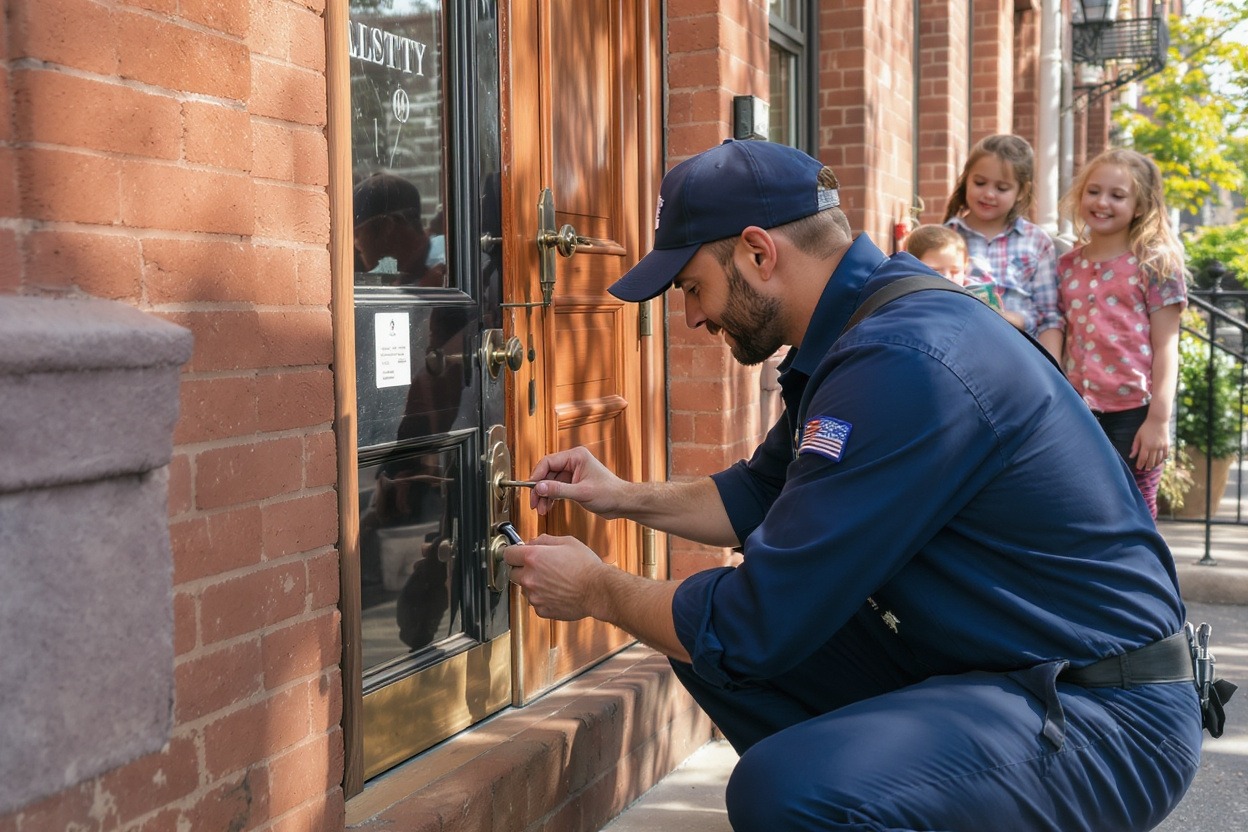
If you’re unsure about the current security status of your apartment, it may be time to consult a professional locksmith. At iLocksmiths, we offer comprehensive residential security assessments and can help you upgrade your locks, install smart security systems, and provide expert advice tailored to your specific needs. Whether you’re in a high-rise in Manhattan or a brownstone in Brooklyn, our team is ready to help you secure your home.
For more information or to schedule a consultation, visit our contact page. You can also explore our full range of services by visiting our homepage.
External resources for further reading:
- National Association of Realtors – Safety Report
- FBI Uniform Crime Reporting Program
- NYPD Crime Statistics
In conclusion, while open houses are an effective tool for showcasing your NYC apartment, they also present a range of security risks that should not be ignored. By understanding these risks and taking proactive steps to mitigate them, you can ensure that your home remains safe and secure throughout the selling or renting process.
Remove or Secure Valuables Before Showings
When preparing your NYC apartment for an open house, one of the most critical steps in ensuring its security is to remove or properly secure all valuables before potential buyers walk through the door. Open houses often attract a wide range of visitors, and while most attendees are genuinely interested in purchasing a home, there is always a risk that someone might take advantage of the opportunity to steal or tamper with your belongings. Jewelry, electronics, personal documents, prescription medications, and even small decorative items can be tempting targets. To mitigate this risk, it’s essential to take proactive measures to protect your possessions.
Start by identifying what items in your apartment are of high value or sentimental importance. This includes not only expensive items like watches, laptops, and designer handbags but also sensitive documents such as passports, financial statements, and legal papers. These should be removed from the premises entirely if possible. If removing them is not feasible, consider locking them in a secure, hidden safe or a locked cabinet that is not easily accessible. Avoid leaving anything of value in plain sight, including in drawers or closets that potential buyers may open during their visit.
In addition to securing physical items, it’s wise to be cautious about digital security. Devices like tablets, smart speakers, and computers should be powered down and stored away. Not only can these be stolen, but they may also contain personal information that could be compromised. If you have a home office setup, ensure that any sensitive business materials are also removed or locked up. For added peace of mind, consider installing security cameras to monitor activity during the open house. Visible cameras can act as a deterrent, while hidden ones can help you review footage if anything goes missing.
Another often-overlooked aspect is the security of spare keys. Never leave spare keys in obvious places like under mats, inside drawers, or hanging on hooks. If you typically keep a spare key in your apartment, remove it before the showing. If you need to provide access to your real estate agent or property manager, give them a single key and keep track of who has access at all times. You can also consult a professional residential locksmith to install temporary locks or keyless entry systems that can be changed after the open house.
If you live in a shared building or complex, inform your doorman or building management about the open house schedule. They can help monitor who enters and exits the building and provide an extra layer of oversight. Additionally, consider limiting the number of people allowed in your apartment at one time. Your real estate agent can help manage this by scheduling private showings or allowing only small groups during the open house.
For those living in neighborhoods with higher foot traffic or in areas where open houses are common, such as Park Slope or Greenpoint, taking these precautions becomes even more important. These areas often attract a large number of visitors, increasing the risk of theft or damage. Being vigilant and prepared can make all the difference in ensuring your property remains secure throughout the selling process.
Ultimately, securing your valuables is not just about preventing theft; it’s also about creating a safe and welcoming environment for potential buyers. A clutter-free, secure space allows visitors to focus on the features of your apartment without distractions or concerns. By taking the time to remove or lock away your valuables, you not only protect your belongings but also contribute to a smoother and more successful open house experience.
Use Smart Home Security Systems
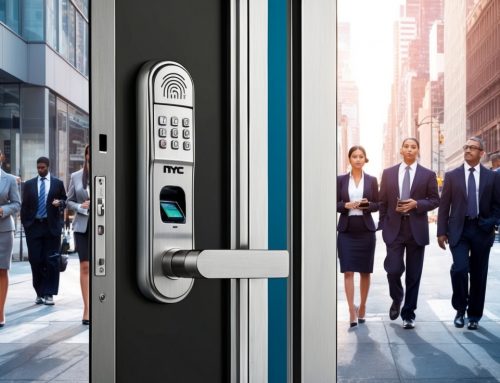
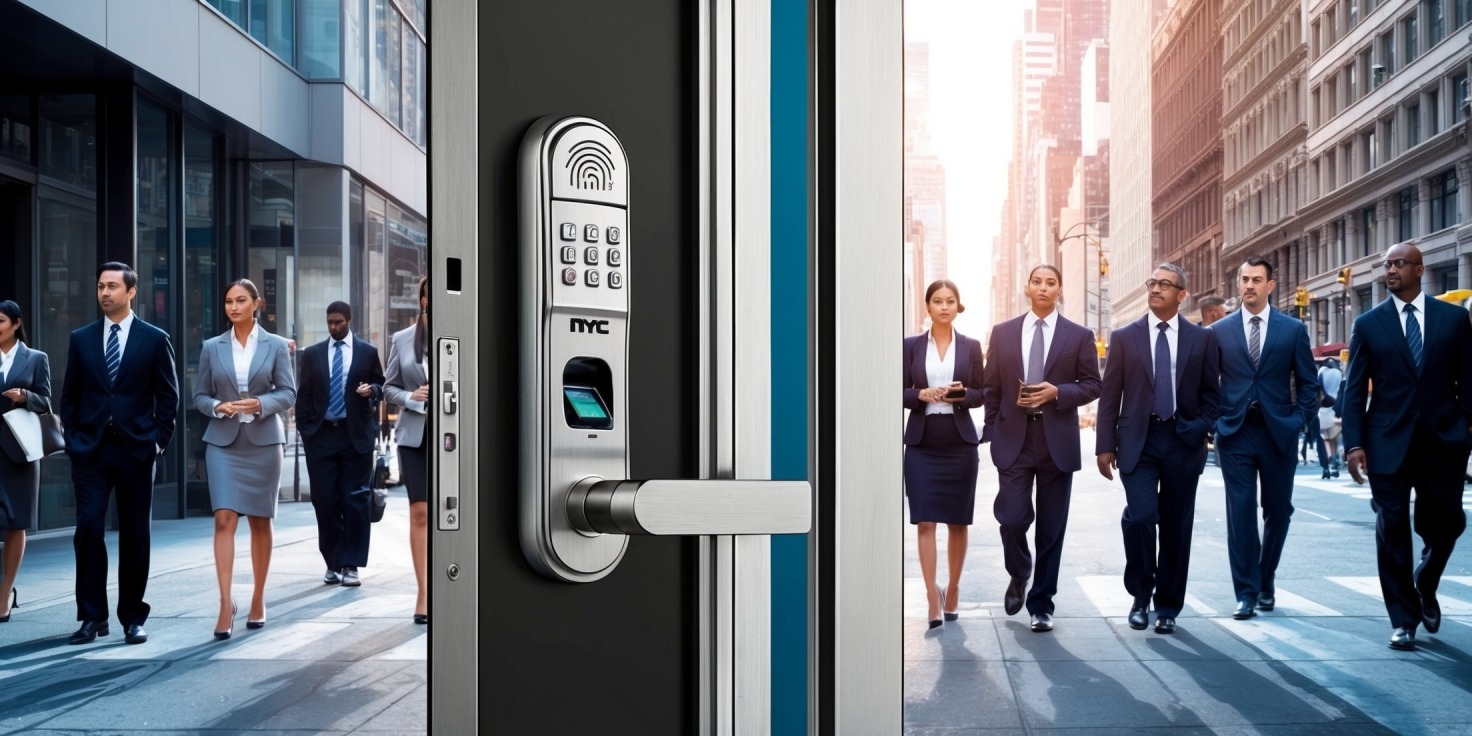
In today’s digital age, securing your NYC apartment during open houses goes beyond traditional locks and keys. Smart home security systems offer a modern, proactive approach to protecting your property, especially when multiple strangers are walking through your space. These systems integrate advanced technology such as motion detectors, smart locks, surveillance cameras, and real-time alerts to give you full control and visibility over your home, even when you are not physically present. By installing smart locks, you can grant temporary access to real estate agents or potential buyers without compromising your home’s security. These locks can be programmed to allow entry during specific time windows and can be monitored remotely, ensuring that no unauthorized access occurs.
Surveillance cameras are another essential component of a smart security setup. Strategically placed indoor and outdoor cameras can deter theft and vandalism while providing you with a live feed or recorded footage of all activity during the open house. This is particularly useful in high-traffic areas like New York City, where apartments can attract a large number of visitors. Many smart cameras come with features like facial recognition, motion detection, and cloud storage, making it easier to track who enters and exits your home. For added peace of mind, consider integrating your cameras with a mobile app that sends instant alerts if unusual activity is detected. This allows you to act quickly in case of any suspicious behavior.
Smart sensors on doors and windows can also enhance your apartment’s security. These sensors notify you if a door or window is opened unexpectedly, helping to prevent unauthorized entry or tampering with your belongings. Some systems even include environmental sensors that detect smoke, carbon monoxide, or water leaks, adding another layer of protection during open houses when you may not be present to notice such issues. Additionally, smart lighting systems can be programmed to simulate occupancy, making your apartment appear lived-in even when it’s vacant, which can deter potential intruders.
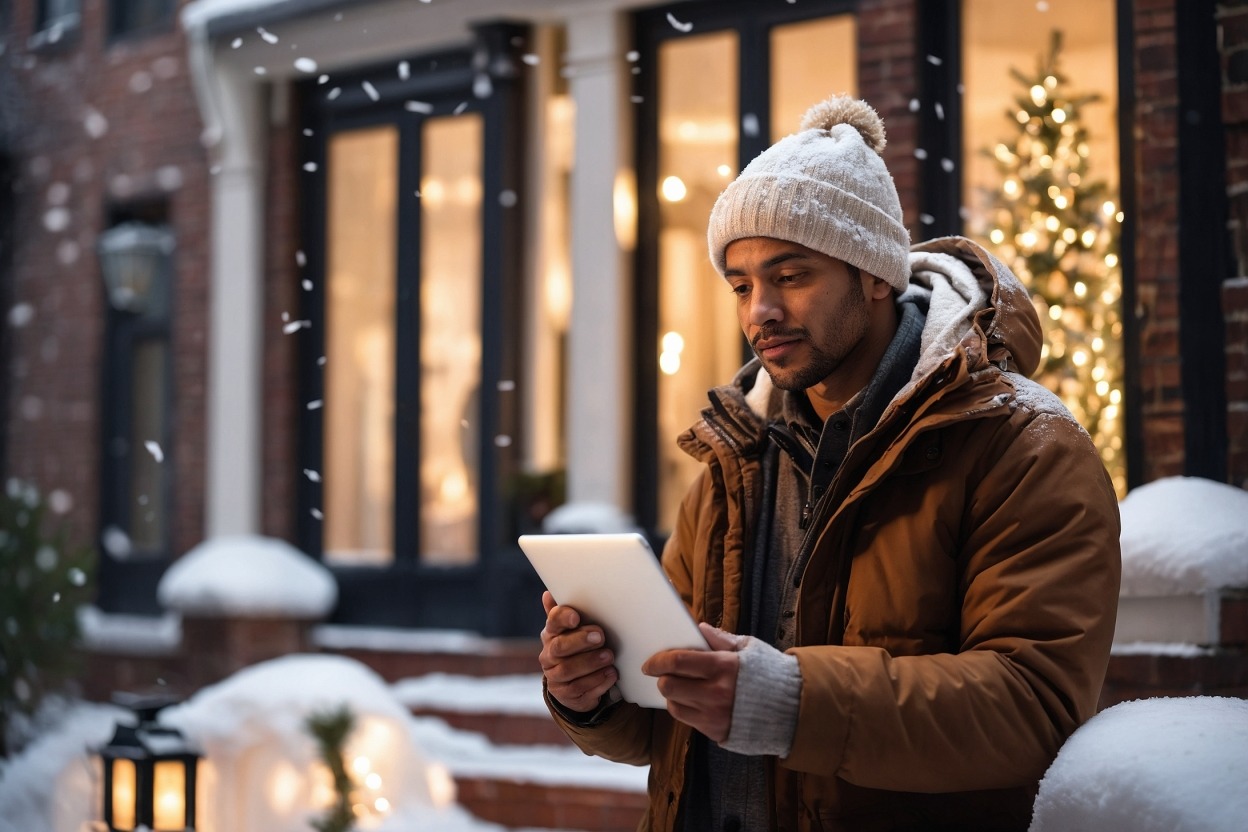
Integrating all these components into a centralized smart home hub allows for seamless control and monitoring. Whether you’re at work, running errands, or out of town, you can check in on your apartment through your smartphone or tablet. This level of control is invaluable during open houses, where the risk of theft or damage is higher due to the increased foot traffic. Moreover, many smart home systems are compatible with voice assistants like Alexa or Google Assistant, offering hands-free operation and added convenience.
For NYC residents, especially those in busy neighborhoods like Brooklyn or Queens, investing in a comprehensive smart security system is a practical and effective way to safeguard your property. If you’re unsure where to start, consider consulting with a professional locksmith service that specializes in modern security solutions. At iLocksmiths, we offer expert advice and installation services tailored to your specific needs. Our team can help you choose the right combination of smart locks, cameras, and sensors to ensure your apartment remains secure during open houses and beyond.
In addition to smart security systems, it’s also wise to evaluate your current locking mechanisms and upgrade them if necessary. Traditional locks can be vulnerable to picking or bumping, especially in older buildings. A smart lock system not only enhances security but also adds convenience by eliminating the need for physical keys. You can manage access through a mobile app, set up unique codes for different users, and receive notifications whenever someone enters or exits your home. This is particularly useful for tracking the activity of real estate agents and potential buyers during showings.
If you live in a high-rise or multi-unit building, coordinating with building management to integrate your smart security system with existing infrastructure can further enhance your apartment’s safety. Some buildings may already have security protocols in place, such as surveillance in common areas or controlled access points. By aligning your personal security setup with these systems, you create a more comprehensive and cohesive defense against potential threats.
For those in specific neighborhoods like Park Slope or Greenpoint, where open houses can attract a high volume of visitors, the importance of smart security cannot be overstated. These areas are known for their vibrant real estate markets, and while that’s great for selling your apartment, it also means more strangers entering your home. A smart security system acts as a silent guardian, keeping an eye on your property and alerting you to any irregularities.
Ultimately, using smart home security systems during open houses is not just about protecting your belongings; it’s about peace of mind. Knowing that you have a reliable, high-tech solution in place allows you to focus on showcasing your apartment to potential buyers without constantly worrying about security. Whether you’re selling a studio in Manhattan or a brownstone in Brooklyn, integrating smart technology into your home security plan is a wise investment that pays off in both safety and convenience.
Limit Access to Certain Rooms
When preparing your NYC apartment for an open house, one of the most effective strategies to protect your belongings and maintain privacy is to restrict access to certain rooms. While it’s important to showcase the best features of your home, not every area needs to be open to visitors. Limiting access to specific rooms, such as bedrooms, home offices, or storage areas, can help reduce the risk of theft, damage, or unwanted intrusion. These spaces often contain personal items, sensitive documents, or valuable electronics that should not be exposed to strangers. By keeping these areas off-limits, you not only protect your possessions but also create a more controlled and secure environment for the open house.
Start by identifying which rooms are essential for the tour and which ones can be excluded. Typically, the living room, kitchen, and bathrooms are the primary focus for potential buyers. Bedrooms can be shown selectively, especially if they are staged and free of personal items. However, rooms that serve as storage or contain expensive equipment should be locked or clearly marked as private. Using simple signage like “Private – Do Not Enter” can be effective, but for added security, consider installing temporary locks or reinforcing existing ones. If you need assistance with securing these rooms, a professional residential locksmith can provide reliable solutions tailored to your needs.
In addition to physical barriers, it’s wise to remove or hide valuables from any visible areas. Jewelry, electronics, financial documents, and prescription medications should be stored in a secure location, preferably outside the apartment during the open house. If removing items is not feasible, consider using lockable cabinets or safes. For those living in high-traffic neighborhoods or large apartment complexes, the risk of unauthorized access can be higher, making it even more crucial to take these precautions. You can also consult with a local security expert to evaluate your apartment’s layout and recommend the best ways to limit access without compromising the appeal of your home.
Another effective tactic is to use smart home technology to monitor restricted areas. Motion sensors, smart locks, and indoor cameras can help you keep an eye on rooms that are off-limits. These tools not only deter potential intruders but also provide real-time alerts if someone attempts to enter a restricted space. For comprehensive protection, consider integrating these devices with your existing security system. If you’re unsure where to start, explore our security cameras options to find the right fit for your apartment.
Finally, communicate clearly with your real estate agent or the person hosting the open house. Make sure they understand which rooms are off-limits and why. Provide them with any necessary keys or codes and instruct them to monitor visitor behavior closely. It’s also helpful to have a sign-in sheet or use a digital check-in system to keep track of who enters your home. This added layer of accountability can discourage inappropriate behavior and ensure a safer experience for everyone involved. By taking these proactive steps, you can confidently showcase your NYC apartment while keeping your personal space and belongings secure.
Store Personal Documents and Information Safely
When preparing your NYC apartment for an open house, one of the most critical yet often overlooked steps is ensuring that your personal documents and sensitive information are stored securely. Open houses invite a wide range of visitors, including potential buyers, real estate agents, and sometimes even curious neighbors. While most attendees are genuinely interested in the property, it’s impossible to vet every individual who walks through your door. This makes it essential to take proactive measures to protect your identity and personal data from potential misuse.
Start by identifying all documents that contain sensitive information. These may include passports, birth certificates, Social Security cards, tax returns, bank statements, utility bills, insurance policies, and medical records. Even seemingly harmless paperwork can be used for identity theft if it contains your name, address, or account numbers. Once identified, these documents should be removed from easily accessible areas such as desks, drawers, or filing cabinets that are not locked. Instead, store them in a secure location such as a locked safe or a safety deposit box. If you don’t have a secure storage option at home, consider temporarily relocating these items to a trusted friend or family member’s house or using a secure off-site storage facility.
Digital security is just as important as physical security. If you have computers, tablets, or external hard drives in your apartment, ensure they are password-protected and ideally locked away during the open house. Avoid leaving USB drives or printed documents with login credentials or financial information in plain sight. If you use a home office, it’s wise to lock the room or at least secure all drawers and cabinets containing confidential materials. Additionally, log out of all devices and remove any sticky notes or reminders that may contain passwords or personal information.
Mail and packages should also be managed carefully. Unattended mail can reveal a lot about your personal life, including your financial institutions, subscriptions, and even medical providers. Before the open house, collect all mail and store it out of sight. If you’re expecting deliveries, consider rescheduling them or having them sent to an alternate address. This prevents packages from being left in common areas where they can be tampered with or stolen.
Photographs and personal memorabilia should be minimized or removed entirely. While these items may not contain sensitive information, they can reveal details about your lifestyle, family, and daily routines. For example, a family photo can indicate the number of people living in the home, while a diploma or certificate can disclose your full name and educational background. Removing these items not only protects your privacy but also helps potential buyers envision themselves in the space, which can be beneficial for the sale.
If you’re unsure about how to secure your apartment effectively, consulting a professional can be a wise decision. A residential locksmith can assess your current security setup and recommend improvements such as installing high-security locks, deadbolts, or even smart lock systems. These upgrades not only protect your belongings during open houses but also add value to your property. For those living in high-traffic areas or multi-unit buildings, additional security measures like door viewers or intercom systems can provide an extra layer of protection.
In some cases, installing surveillance equipment can be a deterrent to potential wrongdoers. Visible security cameras can discourage theft or tampering, and footage can be invaluable in the event of an incident. If you’re considering this option, explore the range of security cameras available to find a solution that fits your needs and budget. Many modern systems offer remote access, allowing you to monitor your apartment in real-time from your smartphone or computer.
It’s also important to communicate with your real estate agent about your privacy concerns. Make sure they understand which areas of the apartment are off-limits and request that they supervise visitors closely. Some sellers choose to limit the number of people allowed in the apartment at one time or require sign-ins to keep track of who has entered the space. These practices can help maintain control over the environment and reduce the risk of unauthorized access to personal items.
Finally, consider the timing and frequency of your open houses. Holding fewer, well-supervised showings can minimize exposure and make it easier to maintain security. If possible, be present during the open house or have someone you trust attend in your place. While this may not always be feasible, having a physical presence can deter inappropriate behavior and ensure that your privacy is respected.
Taking these steps to secure your personal documents and information not only protects you from potential threats but also demonstrates to prospective buyers that the property has been well cared for. In a competitive real estate market like New York City, attention to detail can make a significant difference. For more information on how to enhance your apartment’s security before an open house, feel free to contact a trusted locksmith service. Whether you’re in Brooklyn, Queens, or Manhattan, professional guidance can provide peace of mind and help you navigate the selling process with confidence.
Coordinate with Your Real Estate Agent
When preparing your NYC apartment for open houses, one of the most critical steps in ensuring its security is maintaining clear and consistent communication with your real estate agent. Your agent is not only responsible for showcasing your property to potential buyers but also plays a pivotal role in safeguarding your home during these viewings. A well-informed and proactive agent can help minimize risks, manage access, and ensure that your property remains secure throughout the selling process.
Start by having a detailed conversation with your real estate agent about your security concerns. Make sure they understand which areas of your apartment are off-limits to visitors and which items should not be touched or moved. If you have valuables, sensitive documents, or personal items that you prefer to keep private, inform your agent so they can take appropriate precautions. While it is always advisable to remove or lock away such items, your agent should also be vigilant in monitoring visitor behavior during open houses.
Your agent should also be responsible for controlling access to your apartment. This means ensuring that all visitors sign in, are accompanied during the tour, and do not wander off into unauthorized areas. Discuss with your agent the possibility of using a sign-in sheet or a digital check-in system to keep track of who enters your home. This not only adds a layer of accountability but also helps in following up with potential buyers later. If your building has a doorman or security personnel, coordinate with them as well to ensure they are aware of scheduled open houses and can assist in monitoring access.
Another essential aspect to discuss with your agent is the timing and frequency of open houses. While frequent showings may increase the chances of selling your apartment quickly, they also increase the risk of security breaches. Work with your agent to strike a balance between maximizing exposure and maintaining control over your property. Consider limiting open house hours to specific time slots and avoiding back-to-back showings that could lead to confusion or lapses in supervision.
In addition to managing access, your real estate agent should be familiar with the security features of your apartment. Make sure they know how to operate your locks, alarm systems, and any surveillance equipment you may have installed. If you have recently upgraded your locks or added new security measures, provide your agent with a quick tutorial. This ensures they can secure the property properly after each showing. If you are considering enhancing your apartment’s security before hosting open houses, you might want to explore professional services such as residential locksmith solutions to reinforce entry points and safeguard your belongings.
It is also beneficial to establish a protocol for emergencies or suspicious activity. Your agent should know who to contact if something goes wrong during an open house, whether it’s you, building management, or local authorities. Provide them with a list of emergency contacts and ensure they have access to any relevant building security resources. This preparedness can make a significant difference in responding quickly and effectively to any issues that may arise.
Furthermore, your agent should be proactive in educating potential buyers about the rules of the open house. This includes reminding visitors not to take photos without permission, not to open closed doors or drawers, and to respect the privacy of the current occupants. A professional and assertive agent can set the tone for a respectful and secure viewing experience, which not only protects your property but also leaves a positive impression on buyers.
If your apartment is located in a high-traffic area or a neighborhood with specific security concerns, such as certain parts of Brooklyn or Queens, your agent should be particularly vigilant. For example, if your property is in Midwood or another bustling Brooklyn neighborhood, coordinating with a knowledgeable agent who understands the local dynamics can be invaluable. They can help you navigate the unique challenges of hosting open houses in busy urban environments, from managing foot traffic to dealing with building-specific regulations.
In some cases, it may be worthwhile to have your agent work in tandem with a professional security provider. This is especially true for high-value properties or apartments with expensive furnishings and electronics. A security consultant can assess your apartment and recommend measures to enhance safety during open houses. Services such as installing temporary surveillance cameras or hiring on-site security personnel can provide added peace of mind. For more permanent solutions, consider exploring security cameras to monitor activity during and after showings.
Ultimately, the key to securing your NYC apartment during open houses lies in a strong partnership with your real estate agent. By clearly communicating your expectations, establishing protocols, and leveraging professional resources, you can create a safe and controlled environment for potential buyers to view your home. This not only protects your property but also contributes to a more positive and professional selling experience.
Install Temporary Surveillance Cameras
When preparing your NYC apartment for an open house, one of the most effective ways to enhance security is by installing temporary surveillance cameras. These devices act as both a deterrent and a monitoring tool, giving you peace of mind while multiple strangers walk through your home. Open houses naturally increase foot traffic, and while most visitors are genuine buyers, there is always a risk of theft or property damage. Surveillance cameras help mitigate this risk by recording all activity, allowing you to review footage if anything goes missing or looks suspicious.
Temporary surveillance cameras are easy to install and remove, making them ideal for short-term use during open houses. Many modern systems are wireless and can be set up in minutes without the need for professional installation. These cameras can be strategically placed in high-traffic areas such as entryways, living rooms, and hallways to capture clear footage of everyone entering and exiting your apartment. Some models even offer motion detection and real-time alerts, enabling you to monitor your property remotely through a smartphone app.
In addition to deterring potential wrongdoers, visible cameras send a strong message that your home is being watched, which can discourage any ill-intentioned visitors. Even if the cameras are not actively monitored during the open house, their presence alone can significantly reduce the likelihood of criminal behavior. For added security, consider placing signage that indicates the premises are under surveillance. This not only reinforces the deterrent effect but also informs guests that their actions are being recorded, promoting respectful behavior throughout the showing.
If you are unsure about which surveillance system to choose, consulting a professional can be highly beneficial. A local expert can recommend the best temporary camera solutions based on your apartment’s layout and specific security needs. For instance, the team at iLocksmiths offers a range of surveillance options tailored to residential properties in New York City. Their experience in urban security ensures that you receive reliable and effective equipment that meets your requirements.
Moreover, integrating surveillance cameras with other security measures can create a comprehensive safety plan for your open house. For example, pairing cameras with secure locks and controlled access points can further limit unauthorized entry. If you need assistance upgrading your locks or enhancing your apartment’s overall security, the professionals at iLocksmiths residential locksmith services are available to help. Their team can assess your current setup and recommend improvements that align with your open house schedule and long-term safety goals.
Temporary surveillance cameras are not just a precautionary measure; they are a proactive step toward protecting your property and maintaining control during a potentially vulnerable time. With the right equipment and strategic placement, you can ensure that your open house runs smoothly while minimizing the risk of theft or damage. Whether you are selling your apartment in Park Slope or another NYC neighborhood, investing in temporary surveillance is a smart and practical decision that enhances both security and peace of mind.
Keep a Record of Visitors
During an open house in New York City, it is essential to maintain a detailed record of everyone who enters your apartment. This practice not only enhances your personal security but also helps in tracking any incidents that may occur during the showing. With the high volume of foot traffic that open houses can attract, especially in densely populated areas like Brooklyn or Manhattan, keeping a log of visitors is a proactive step toward safeguarding your property and belongings. A visitor log can deter potential wrongdoers, as they are aware that their presence has been documented. This record should include names, contact information, and the time of entry and exit. In some cases, asking for a government-issued ID for verification can add an extra layer of security.
Utilizing digital tools or apps to manage this information can streamline the process and make it easier to access later if needed. If you are working with a real estate agent, ensure they are on board with this practice and understand its importance. They can assist in managing the log and ensuring that all visitors comply with the sign-in process. In addition, consider installing security cameras at the entrance and common areas of your apartment. This not only provides a visual record of who entered your home but also acts as a deterrent to theft or vandalism.
For added peace of mind, you might also consult a professional residential locksmith to evaluate your current security setup. They can recommend and install advanced locking systems that ensure your apartment remains secure even during high-traffic events like open houses. Whether you live in a bustling neighborhood like Park Slope or a quieter area such as Midwood, maintaining a visitor log is a simple yet effective measure that significantly contributes to the overall safety of your home.
Use Lockboxes for Keys
When hosting an open house in New York City, managing access to your apartment is one of the most critical aspects of maintaining security. With multiple people entering and exiting your home, it’s essential to ensure that your keys are handled safely and efficiently. One of the most effective ways to do this is by using a lockbox. A lockbox provides a secure and convenient method for storing your keys during showings, allowing only authorized individuals to access them. This not only minimizes the risk of key duplication or loss but also ensures that your apartment remains protected throughout the open house process.
Lockboxes are designed to be tamper-resistant and are typically made from durable materials such as reinforced steel. They can be attached to a fixed object near your apartment entrance, such as a railing or doorknob, and require a unique code or digital access to open. This means that only your real estate agent or trusted professionals can retrieve the keys when needed. By limiting access to a select few, you significantly reduce the chances of unauthorized entry, which is especially important in a bustling city like NYC where foot traffic and building access can be unpredictable.
In addition to enhancing security, lockboxes also offer convenience. If you are not available to personally hand over the keys for each showing, a lockbox allows your agent to conduct tours without needing to coordinate with you every time. This flexibility is particularly useful for busy homeowners or those who have already relocated. It also ensures that potential buyers can view the property at their convenience, which can help speed up the selling process.
When choosing a lockbox, it’s important to select a model that suits your specific needs. There are mechanical lockboxes that use a combination dial and electronic versions that can be accessed via smartphone apps. Some advanced models even offer tracking features, so you can monitor who accessed the keys and when. This added layer of accountability can be reassuring, especially when multiple parties are involved in the sale of your home.
It’s also wise to consult with a professional locksmith to ensure that your lockbox is installed correctly and that your apartment’s overall security is not compromised. A licensed locksmith can recommend the best type of lockbox for your building and provide guidance on where to place it for maximum security and discretion. For expert advice and installation services, consider reaching out to a trusted local provider like iLocksmiths’ residential locksmith team, who specialize in securing homes across NYC.
Moreover, using a lockbox should be part of a broader security strategy during open houses. It’s important to ensure that all other entry points to your apartment are secure and that valuables are removed or hidden from view. You might also consider installing temporary surveillance or consulting with a professional about more permanent security camera solutions to monitor activity during showings. These additional measures can provide peace of mind and deter any potential intruders.
In high-traffic areas like Brooklyn or Queens, where open houses can attract a large number of visitors, the use of a lockbox becomes even more crucial. Neighborhoods such as Park Slope or Queens often see a high volume of real estate activity, making it essential to have a secure and reliable method for key management. By implementing a lockbox system, you not only protect your property but also demonstrate to potential buyers that you take home security seriously.
Ultimately, a lockbox is a small investment that can yield significant benefits during the open house process. It streamlines access for authorized individuals, enhances the security of your apartment, and provides a level of control that is difficult to achieve through traditional key handoffs. Whether you’re selling a studio in Manhattan or a brownstone in Brooklyn, incorporating a lockbox into your open house strategy is a smart and effective way to safeguard your home.
Avoid Displaying High-End Electronics
When preparing your NYC apartment for an open house, one of the most crucial yet often overlooked aspects of security is minimizing the visibility of high-end electronics. While showcasing your home in the best possible light is important for attracting potential buyers, leaving expensive gadgets and devices in plain sight can inadvertently invite theft or tampering. Open houses typically involve a steady flow of strangers walking through your space, and while most visitors are genuinely interested in the property, there’s always a risk that someone may have ulterior motives. By taking proactive steps to conceal or remove valuable electronics, you not only protect your belongings but also create a more neutral and appealing environment for prospective buyers.
High-end electronics such as flat-screen televisions, gaming consoles, smart speakers, laptops, tablets, and desktop computers are not only expensive but also highly portable, making them prime targets for opportunistic thieves. Even smaller items like smartwatches, high-end headphones, and digital cameras can be easily pocketed if left unattended. In a bustling city like New York, where open houses can attract a large and diverse crowd, it’s essential to be extra cautious. Removing these items from view or storing them in secure, locked cabinets can significantly reduce the risk of theft. If removing them entirely is not feasible, consider using furniture or decorative elements to obscure them from direct sight.
Another important consideration is the data security risk associated with leaving personal electronics exposed. Devices like laptops and tablets often contain sensitive information, including financial records, personal photos, and login credentials. If accessed or stolen, this data can be misused in ways that go far beyond the loss of the physical device. To mitigate this risk, ensure that all devices are password-protected and, if possible, turned off and stored securely during the open house. Additionally, disconnecting smart home devices such as voice assistants or smart thermostats can prevent unauthorized access to your home’s network or automation systems.
Beyond the security implications, removing high-end electronics can also enhance the overall staging of your apartment. A clutter-free space allows potential buyers to better visualize themselves living in the home. Excessive electronics can make a room feel crowded or overly personalized, which may detract from the property’s appeal. By creating a clean, minimalist environment, you help buyers focus on the architectural features and layout of the apartment rather than being distracted by your personal belongings. This approach aligns with professional staging practices that emphasize neutrality and simplicity to attract a broader range of buyers.
If you’re unsure about how to secure your electronics or need assistance with safeguarding your apartment during an open house, consulting with a professional locksmith can be a wise decision. Services like those offered by residential locksmith experts can provide tailored solutions such as installing secure storage options or upgrading your home’s locking mechanisms. In addition, you might consider enhancing your home’s surveillance capabilities. Installing security cameras can act as a deterrent to potential thieves and provide peace of mind during showings. Visible cameras signal that the property is being monitored, which can discourage any malicious intent.
For residents in specific neighborhoods, local locksmith services can offer more personalized support. Whether you’re in Midwood, Bay Ridge, or Astoria, working with professionals familiar with your area ensures that your security measures are both effective and compliant with local regulations. These experts can also advise on best practices for securing other valuables and entry points in your home. For example, if you live in a high-traffic area or a building with shared access, additional precautions such as reinforced locks or smart entry systems may be recommended.
In summary, while it may seem like a minor detail, concealing or removing high-end electronics during an open house is a vital step in protecting your property and ensuring a smooth selling process. It not only safeguards your valuables but also contributes to a more appealing and distraction-free environment for potential buyers. By taking the time to secure your electronics and consult with professionals when needed, you can confidently open your home to the public while minimizing risk.
Secure Prescription Medications and Personal Items
When preparing your NYC apartment for an open house, one of the most critical yet often overlooked aspects is the secure storage of prescription medications and personal items. Open houses invite a variety of strangers into your home, and while most visitors are genuinely interested in the property, there is always a risk that someone may take advantage of the opportunity to access your private belongings. Prescription medications, in particular, are a common target due to their high street value and potential for misuse. Personal items such as jewelry, financial documents, and sentimental keepsakes also carry both monetary and emotional value, making them vulnerable during showings.
To begin with, all prescription medications should be removed from easily accessible areas such as bathroom cabinets, bedside tables, or kitchen drawers. These are common places where people store their medications, and unfortunately, they are also the first places someone with ill intentions might look. Instead of leaving medications in these locations, consider locking them in a secure cabinet, safe, or even removing them from the premises entirely during the open house. If you do not have a secure storage solution at home, investing in a small lockbox or portable safe can be a wise decision. These can be easily stored in a closet or taken with you when you leave the apartment for the showing.
In addition to medications, personal items such as passports, checkbooks, credit cards, and social security documents should also be secured. Identity theft is a growing concern, and leaving such items in plain sight or in unlocked drawers can expose you to unnecessary risk. Jewelry and other valuables should be treated with the same level of caution. Even if you believe your items are well hidden, it is important to remember that open house visitors may open closets, drawers, and cabinets to inspect storage space. Therefore, the best practice is to remove these items from the apartment or lock them in a secure location.
For those living in high-traffic areas like Brooklyn or Manhattan, where open houses may attract a larger number of visitors, the need for heightened security becomes even more pressing. If you reside in neighborhoods such as Park Slope or Midwood, it is advisable to take extra precautions. These areas are known for their vibrant real estate markets, which can lead to increased foot traffic during open houses. More visitors mean more opportunities for something to go wrong if proper security measures are not in place.
Another effective strategy is to work with your real estate agent to establish clear boundaries during the open house. Let them know which areas of the apartment are off-limits and ensure they communicate this to potential buyers. While it is important to showcase your home in the best light, it is equally important to protect your privacy and personal property. Some sellers choose to rope off certain rooms or use signs to indicate restricted areas. This can help deter curious visitors from wandering into spaces where personal items are stored.
Additionally, consider installing temporary surveillance solutions such as security cameras or smart home monitoring systems. These tools can act as both a deterrent and a means of accountability. If someone does attempt to access restricted areas or tamper with your belongings, having video evidence can be invaluable. For more permanent solutions, you might explore professional services like security cameras installation to enhance your home’s overall safety.
If you are unsure about the best way to secure your belongings or need assistance with installing locks or safes, consulting a professional locksmith can provide peace of mind. Services like those offered by iLocksmiths can help you assess your current security setup and recommend improvements tailored to your needs. Whether you require a new lock installation or advice on safeguarding your home during an open house, reaching out to a trusted expert can make a significant difference. You can easily contact iLocksmiths for a consultation or emergency support.
Ultimately, the goal of an open house is to present your apartment in the best possible light to potential buyers. However, this should never come at the expense of your personal safety or the security of your belongings. By taking proactive steps to secure prescription medications and personal items, you can ensure a smooth and worry-free showing experience. Remember, a little preparation goes a long way in protecting your home and your peace of mind during the selling process.
Inform Neighbors About Scheduled Open Houses
When preparing your NYC apartment for an open house, one often overlooked yet highly effective security measure is informing your neighbors about the scheduled showings. Your neighbors can serve as an extra set of eyes and ears, helping to monitor any unusual activity during the open house period. In a bustling city like New York, where foot traffic is high and apartment buildings often have multiple units, having trusted neighbors aware of the event can significantly enhance your apartment’s security. Let them know the exact date and time of the open house, and if possible, provide them with a contact number in case they notice anything suspicious. This simple step can deter potential intruders who might be scouting the area under the guise of attending the open house. Moreover, neighbors who are aware of your plans are less likely to be alarmed by increased foot traffic and more likely to intervene or alert authorities if something seems off. This is particularly important in neighborhoods with high turnover or in buildings without doormen or security personnel. If you live in areas like Park Slope or Greenpoint, where community ties are strong, leveraging these relationships can be a powerful tool in maintaining security. Additionally, if you have a building superintendent or property manager, make sure they are informed as well. They can help monitor access points and ensure that only authorized individuals enter the premises. In some cases, neighbors may even be willing to keep an eye on your apartment during the open house, especially if you offer to return the favor in the future. This kind of mutual support is invaluable in urban settings. For added peace of mind, consider installing temporary surveillance or consulting a professional for security cameras that can monitor activity during the open house. By taking the time to involve your neighbors, you not only enhance your apartment’s security but also foster a sense of community that can be beneficial long after your property is sold.
Conduct a Post-Showing Inspection
After an open house in your NYC apartment, it is crucial to conduct a thorough inspection to ensure your property remains secure and nothing has been tampered with or gone missing. While open houses are an effective way to attract potential buyers or renters, they also expose your home to a higher risk of theft, damage, or unauthorized access. Once the showing concludes and all visitors have left, take the time to walk through your apartment carefully. Begin by checking all entry points, including doors and windows, to confirm they are properly locked and show no signs of forced entry or tampering. Pay particular attention to less obvious access points such as fire escapes, balcony doors, and secondary entrances, which may have been overlooked during the showing.
Next, inspect your valuables and personal belongings. Even if you took precautions to store away jewelry, electronics, or important documents before the open house, it is wise to verify that everything remains in its place. If you used a safe or locked drawer, ensure it is still secure and shows no signs of attempted access. For added protection, consider installing a small inventory system or taking photos of high-value items prior to the showing. This makes it easier to identify if anything is missing or out of place afterward.
It is also important to evaluate the condition of your apartment’s interior. Look for any signs of damage to furniture, walls, or flooring that may have occurred during the walkthrough. While most visitors will be respectful, accidents can happen, and it is better to address any issues immediately. If you notice anything unusual, consult with your real estate agent or the hosting party to determine if there were any incidents reported during the open house.
In addition to physical checks, review any security footage if you have cameras installed. Modern security cameras can provide valuable insight into who entered your apartment and when. Reviewing the footage can help you identify any suspicious behavior or unauthorized access. If you do not yet have a surveillance system in place, consider investing in one before your next showing. It not only deters potential intruders but also provides peace of mind during and after open houses.
If you had smart locks or digital entry systems in use, check the access logs to see who entered and at what time. Many smart lock systems allow you to assign temporary access codes to realtors or potential buyers, which can be deactivated immediately after the showing. This ensures that no one can re-enter your apartment without your permission. If you are using traditional locks, it may be worth consulting a residential locksmith to assess whether your current locking mechanisms are sufficient or if an upgrade is necessary.
Another important step is to communicate with your real estate agent or property manager. Ask for a detailed report of the open house, including how many people attended, whether anyone asked unusual questions, or if there were any concerns raised during the event. This information can help you gauge the level of interest in your property while also identifying any red flags that may require further attention.
If you feel that your apartment’s security has been compromised in any way, do not hesitate to take immediate action. Contact a trusted locksmith service to rekey your locks or install additional security features. For residents in Brooklyn neighborhoods like Midwood or Bay Ridge, local experts such as iLocksmiths Midwood or iLocksmiths Bay Ridge can provide prompt and professional assistance tailored to your specific needs.
Finally, use the post-showing inspection as an opportunity to reassess your overall home security strategy. Consider whether your current measures are adequate or if enhancements such as motion detectors, upgraded locks, or additional surveillance cameras are warranted. Taking a proactive approach not only protects your property but also demonstrates to potential buyers that the apartment is well-maintained and secure, which can be a valuable selling point.
By making post-showing inspections a standard part of your open house routine, you can significantly reduce the risk of theft or damage and maintain control over your living space. This simple yet essential step ensures that your NYC apartment remains a safe and secure environment throughout the selling or renting process.
Consider Virtual Tours as an Alternative
In a city as dynamic and densely populated as New York, open houses are a common and often necessary part of the apartment-hunting process. However, they also present unique security challenges for current tenants and homeowners. One increasingly popular and effective way to mitigate these risks is by opting for virtual tours instead of traditional in-person showings. Virtual tours offer a safer, more controlled alternative that can significantly reduce the potential for theft, property damage, or unauthorized access during the apartment viewing process.
Virtual tours allow prospective tenants or buyers to explore a property remotely, using high-resolution images, 360-degree videos, or even live video walkthroughs conducted by real estate agents. This method not only limits the number of strangers entering your home but also provides a more convenient and efficient way for interested parties to view the space. With the advancement of technology, virtual tours can now offer an immersive experience that closely replicates an in-person visit, making them an ideal solution for both security-conscious residents and busy apartment seekers.
One of the primary benefits of virtual tours is the ability to maintain control over who sees your apartment and when. Unlike open houses, where multiple people may enter your home at once, virtual tours can be scheduled individually or made available online for viewing at any time. This minimizes foot traffic and reduces the risk of someone taking advantage of the open house setting to scope out your belongings or identify security weaknesses. Additionally, virtual tours can be pre-recorded, allowing you to showcase your apartment in its best light without the need to repeatedly clean, stage, or vacate the premises.
Another advantage of virtual tours is the ability to safeguard your personal items and sensitive information. During an in-person open house, it can be challenging to monitor every visitor, increasing the risk of theft or tampering. With a virtual tour, you can ensure that only the areas you want to showcase are visible, and you can remove or obscure any valuable or private items before filming. This level of control is particularly important in urban environments like NYC, where apartments are often compact and personal belongings are more exposed.
Moreover, virtual tours can be a valuable tool for real estate agents and property managers, enabling them to pre-qualify potential renters or buyers before scheduling an in-person visit. By offering a virtual tour as the first step in the viewing process, agents can gauge a prospect’s level of interest and seriousness, thereby reducing unnecessary foot traffic and enhancing overall security. This approach not only protects your home but also saves time and resources for all parties involved.
In addition to enhancing security, virtual tours can also improve the marketing appeal of your apartment. High-quality visuals and interactive features can highlight the unique aspects of your space, such as natural lighting, layout, and amenities, in a way that static photos cannot. This can attract more qualified leads and potentially shorten the time your apartment remains on the market. For those living in high-demand neighborhoods like Park Slope or Greenpoint, where competition is fierce, a compelling virtual tour can set your listing apart from the rest.
Security-conscious residents may also consider integrating virtual tours with other protective measures. For example, installing security cameras can provide additional peace of mind by monitoring any in-person visits that do occur. These cameras can be strategically placed to cover entry points and common areas, ensuring that any suspicious activity is recorded and can be reviewed later if necessary. Combining virtual tours with modern security technology creates a comprehensive approach to safeguarding your home during the selling or leasing process.
Furthermore, virtual tours are particularly beneficial during times of heightened health concerns or travel restrictions, such as during a pandemic. They allow for continued property viewings without compromising the health and safety of residents, agents, or prospective tenants. This adaptability makes virtual tours a resilient and forward-thinking solution for the real estate market, especially in a city as unpredictable and fast-paced as New York.
For those who are not yet familiar with creating virtual tours, many real estate professionals and service providers offer assistance in producing high-quality content. Whether through professional photography, 3D modeling, or live video walkthroughs, there are numerous options available to suit different budgets and needs. It’s worth consulting with your real estate agent or property manager to explore the best virtual tour strategy for your specific situation.
In conclusion, virtual tours offer a secure, convenient, and effective alternative to traditional open houses in NYC. They help minimize the risks associated with having multiple strangers in your home, protect your personal belongings, and provide a more controlled environment for showcasing your apartment. By embracing this modern approach, you can enhance both the safety and marketability of your property, ensuring a smoother and more secure transition during the rental or sales process.
Sure! Here’s a suitable FAQ section for a blog post titled "How to Secure Your NYC Apartment During Open Houses," incorporating relevant and practical information:
Frequently Asked Questions (FAQ)
-
Why is it important to secure my apartment during an open house?
Open houses invite a variety of people into your home, including potential buyers and sometimes individuals with less-than-honest intentions. Securing your apartment helps protect your valuables, personal information, and privacy during these showings. -
What items should I remove or hide before an open house?
You should remove or securely store:- Valuables such as jewelry, electronics, and cash
- Personal documents (e.g., passports, financial records, mail)
- Prescription medications
- Spare keys or access cards
- Personal photos or items that reveal too much about your lifestyle
-
How can I secure my valuables if I can’t remove them from the apartment?
Consider using a locked drawer, cabinet, or safe to store valuables. If possible, take high-value items with you during the open house. Alternatively, ask a trusted friend or family member to hold onto them temporarily. -
Should I be present during the open house?
It’s generally recommended that sellers or tenants are not present during open houses, as it allows potential buyers to feel more comfortable. However, make sure your real estate agent or property manager is present to monitor visitors and ensure security. -
Can I use security cameras during an open house?
Yes, you can use security cameras, but be sure to comply with local privacy laws. In NYC, it’s legal to record video in your own home, but you should avoid recording audio without consent. Let your agent know about any cameras in use. -
How can I protect my personal information?
Remove or lock away any documents that contain sensitive information, such as bank statements, bills, or tax records. Also, log out of computers and devices, and consider hiding or unplugging them during the showing. -
What should I do with my pets during an open house?
For safety and comfort, it’s best to remove pets from the apartment during an open house. This also helps avoid distractions or potential issues with visitors who may have allergies or fears. -
Is it safe to leave my Wi-Fi network on during an open house?
Yes, but make sure your Wi-Fi network is password-protected and that no sensitive devices (like smart home systems or cameras) are accessible to guests. Consider temporarily disabling smart assistants like Alexa or Google Home. -
How can I ensure my apartment is secure after the open house?
After the showing, do a walkthrough to check that all doors and windows are locked and nothing is missing or out of place. Ask your agent for feedback and to confirm that all visitors signed in and were accompanied during the tour. -
Should I notify building management about the open house?
Yes, especially in NYC apartment buildings with security or doormen. Informing building management helps ensure only authorized visitors are allowed in and can add an extra layer of oversight during the event.
This FAQ section can help readers feel more confident and prepared when hosting an open house in their NYC apartment.