How to Secure Your NYC Business After a Theft — where do you even begin after such a devastating event? In a city as fast-paced and competitive as New York, a single break-in can shake your confidence and disrupt your operations. But the real question is: how do you bounce back stronger and prevent it from happening again? At iLocksmiths, we’ve helped countless NYC businesses recover and reinforce their security with our 24/7 commercial locksmith services.
The answer lies in taking swift, strategic action. Start by assessing the damage, upgrading your locks, and installing high-security systems. iLocksmiths, with over 11 years of experience and a network of 40+ technicians across NYC, offers expert solutions like master key systems, access control, and surveillance upgrades. Our fast response time and commitment to customer satisfaction make us the trusted choice for securing your business.
But there’s more to protecting your business than just changing locks. Learn what security expert Robert Siciliano recommends for post-theft recovery and how you can apply those insights today. So, if you’re ready to turn a setback into a comeback, let’s dive into the essential steps to secure your NYC business after a theft.
Assessing the Damage and Understanding the Scope of the Theft
After a theft, acting quickly and calmly is crucial. Begin by securing the premises to prevent further loss. Then, conduct a detailed walkthrough to identify missing or damaged items. Use inventory records to cross-check assets. Review surveillance footage for suspicious activity and timeframes. Interview employees who were present or may have relevant information. Their insights can help piece together the timeline.
Document everything meticulously. Take clear photos of damaged property and areas of forced entry. Create a comprehensive list of stolen items, including serial numbers and estimated values. This documentation is vital for both insurance claims and police reports.
Stay organized and methodical throughout the process. Rushing can lead to missed details or inaccurate reporting. If your security system was compromised, consider upgrading with modern surveillance cameras to prevent future incidents. For businesses in high-risk areas, consulting a commercial locksmith can strengthen your physical security.
Remaining composed allows you to make informed decisions. A thorough assessment not only aids recovery but also helps prevent repeat incidents.
Reporting the Incident to Authorities and Insurance
Start by calling 911 or visiting your local NYPD precinct to report the theft. Provide clear details, including the time, location, and items stolen. Bring any surveillance footage, witness statements, or photos of the scene. The NYPD will issue a police report—this document is essential for your insurance claim.
Next, contact your insurance provider immediately. Most policies require prompt notification, often within 24 to 72 hours. Submit the police report, photos, inventory lists, and receipts for stolen or damaged items. Be honest and thorough to avoid delays or denials.
Keep a copy of all submitted documents. Follow up regularly to track the claim’s progress. Insurance companies may also send an adjuster to assess the damage.
Timely reporting is critical. Delays can jeopardize both your police case and insurance reimbursement. Always check your policy for specific deadlines.
For added protection, consider upgrading your business’s security. Installing security cameras or consulting a trusted commercial locksmith can help prevent future incidents. Stay proactive and safeguard your assets.
Conducting a Security Audit of Your Business
After a theft, assessing your business’s security becomes essential. A security audit identifies weaknesses in your current protection measures. It evaluates how and where unauthorized access occurred and what systems failed. Start by inspecting all entry points, including doors, windows, and emergency exits. Check the condition of locks and ensure they meet commercial-grade standards.
Next, review your surveillance setup. Are your security cameras positioned effectively? Do they cover blind spots? Confirm that your alarm system is functional and monitored 24/7. Poor lighting can also invite intruders, so assess both interior and exterior lighting conditions.
Employee access should be limited and tracked. Revoke access for former staff immediately. For a thorough evaluation, consider hiring a professional security consultant. They can uncover hidden vulnerabilities and recommend tailored solutions.
Create a detailed checklist during the audit. This helps you document issues and prioritize fixes efficiently. Don’t overlook the value of expert support—reach out through our contact page to schedule a consultation. A proactive approach now can prevent future losses.
Upgrading Physical Security Measures
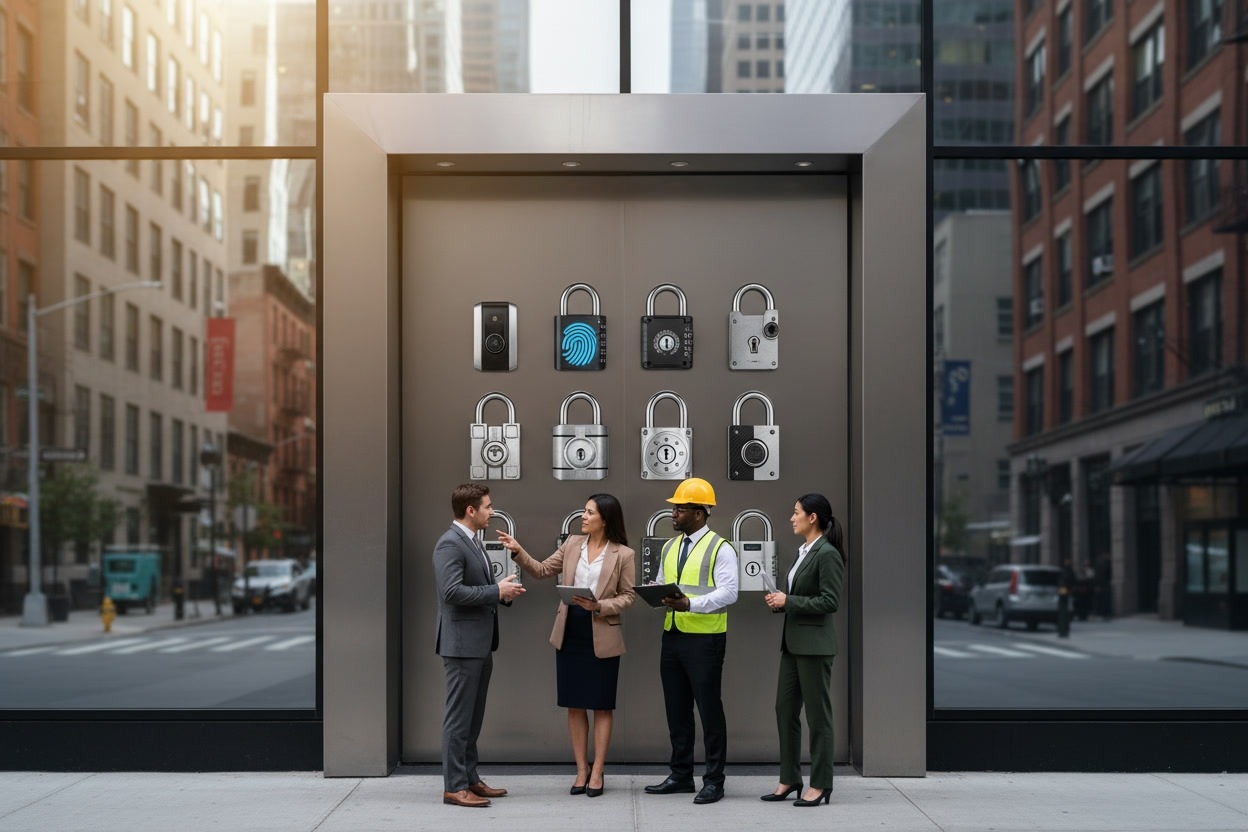
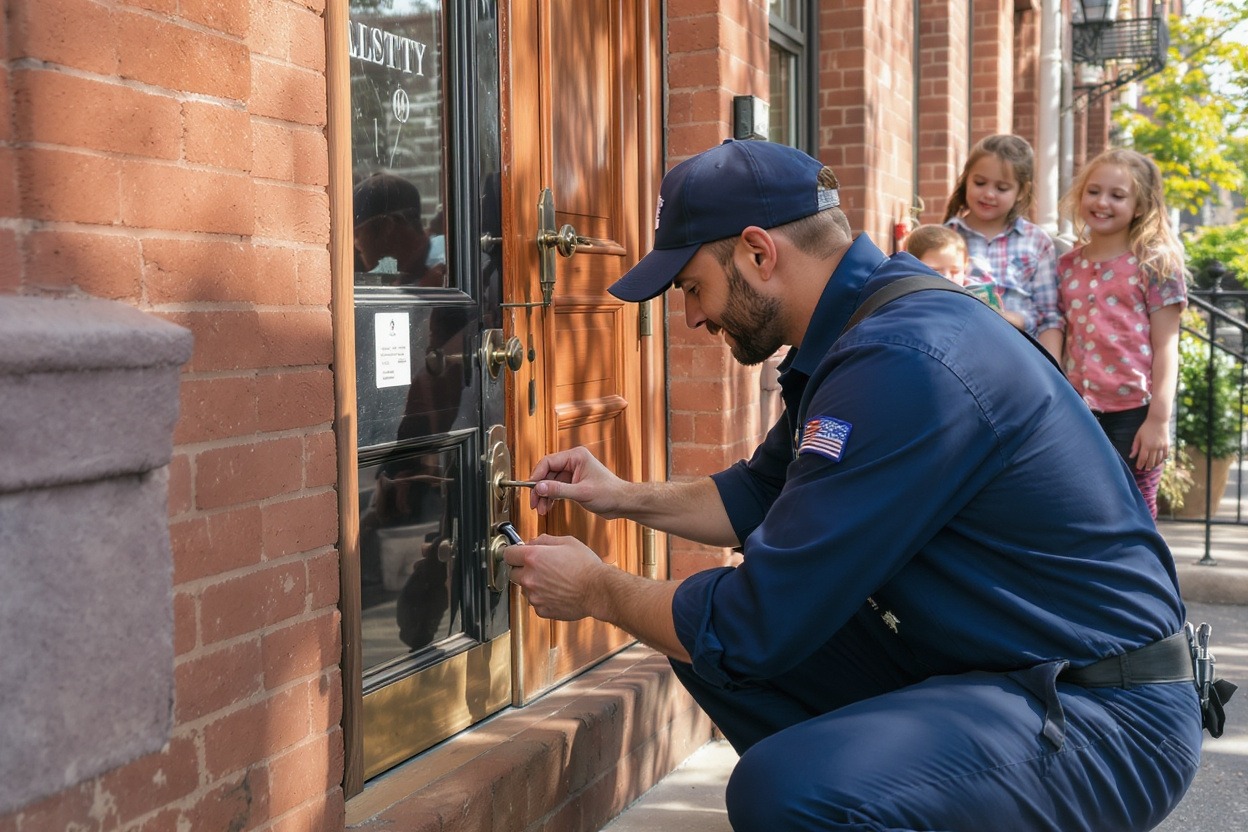
Reinforcing entry points is the first step to securing your business. Install heavy-duty deadbolts on all exterior doors. Add steel security bars to vulnerable windows. Consider shatterproof glass to resist forced entry. These upgrades make break-ins significantly harder.
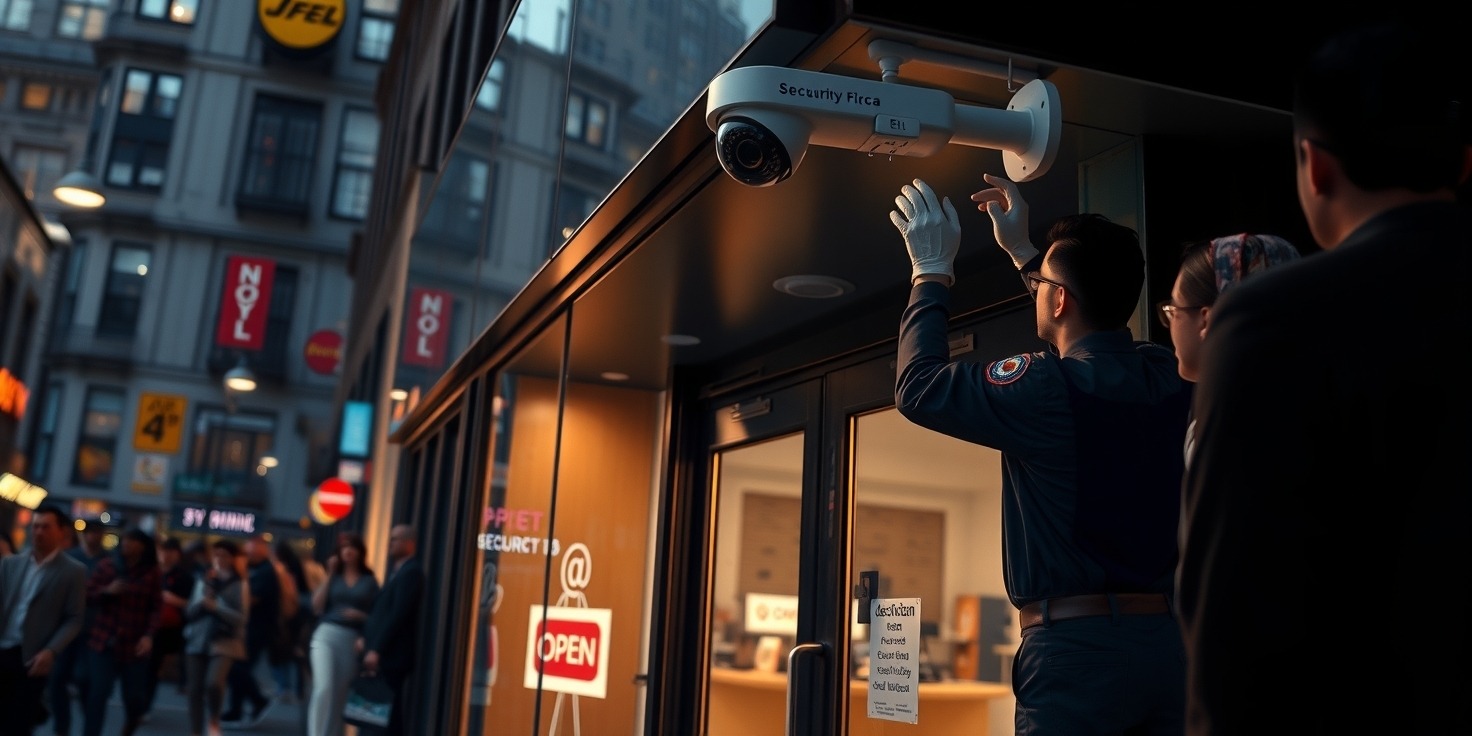
Next, invest in a modern alarm system. Choose one with motion sensors and 24/7 monitoring. Pair it with high-definition security cameras to capture clear footage. Place cameras at all entrances, exits, and blind spots. This not only deters criminals but also helps with investigations.
Access control systems add another layer of protection. Use keycards, biometric scanners, or smart locks to limit entry. These systems track who enters and when, offering full control over access points.
Don’t overlook lighting and signage. Bright LED lights around doors and parking areas reduce hiding spots. Visible warning signs about surveillance and alarms discourage potential thieves.
For expert help, contact a trusted commercial locksmith to assess your property. A professional can recommend tailored solutions that fit your needs and budget.
Implementing Cybersecurity Best Practices
After a theft, safeguarding your digital assets becomes critical—especially if sensitive customer or financial data was exposed. Start by securing your Wi-Fi network with strong encryption and a hidden SSID. Install a robust firewall to block unauthorized access. Regularly update all software and firmware to patch vulnerabilities.
Train employees to recognize phishing attempts and avoid suspicious downloads. Encourage the use of strong, unique passwords and implement multi-factor authentication wherever possible. These small steps can prevent major breaches.
Partnering with an IT security firm for a full vulnerability assessment is a smart move. They can identify weak points and recommend tailored solutions. Don’t wait for another incident to act.
For added protection, consider integrating physical security with digital measures. Explore our security cameras to monitor access points and deter intruders. If your business operates in Brooklyn, our Park Slope team is ready to assist.
Cybersecurity is not a one-time fix. It requires ongoing attention and proactive planning to keep your business safe.
Employee Training and Internal Policy Updates
Your team plays a critical role in protecting your business from future theft. Empower them with knowledge and clear expectations. Schedule regular training sessions focused on theft prevention and emergency response. These sessions should cover recognizing suspicious behavior, handling confrontations, and reporting incidents promptly.
Update internal policies to reflect current risks. Revise procedures for cash handling, inventory tracking, and visitor access. Ensure every employee understands and follows these protocols. Post updated guidelines in visible areas and include them in onboarding materials.
Encourage a culture of accountability. Reward vigilance and reinforce the importance of speaking up. When employees feel responsible for security, they act with greater awareness. Use real-life scenarios during training to make lessons stick.
Consider working with a trusted local expert like iLocksmiths to assess your current security measures. Their insights can help tailor your internal policies for maximum effectiveness. For businesses in high-risk areas, such as Brownsville, these updates are even more crucial. Stay proactive, not reactive.
Collaborating with Local Law Enforcement and Business Networks
Establishing strong ties with your local police precinct can significantly boost your business’s security. Start by attending precinct meetings and introducing yourself to community officers. These connections foster trust and ensure quicker response times during emergencies. Additionally, joining local business improvement districts (BIDs) or merchant associations offers valuable support. These groups often share crime updates, organize safety initiatives, and advocate for better policing in commercial areas.
Participating in neighborhood watch programs or crime prevention workshops also strengthens your defense. These initiatives promote collaboration among nearby businesses and help identify suspicious activity early. Staying informed is equally crucial. Subscribe to NYPD crime alerts and follow local precincts on social media for real-time updates.
For added protection, consider upgrading your security systems. Our security cameras offer 24/7 surveillance and remote access. If you’re located in Brooklyn, our Park Slope team is ready to assist with tailored solutions. By working closely with law enforcement and your business community, you create a safer environment for everyone.
Leveraging Technology for Ongoing Protection
Smart security technology offers NYC businesses a powerful edge against future theft. Remote monitoring systems let you view live feeds anytime, anywhere. Motion detectors instantly alert you to suspicious activity, even after hours. AI-powered analytics can identify unusual patterns and flag potential threats before they escalate.
Integrating these systems with mobile apps ensures you receive real-time alerts on your phone. This allows for immediate action, whether you’re on-site or away. Cloud-based storage is another essential layer. It keeps your surveillance footage secure, accessible, and safe from physical damage or tampering.
Routine maintenance and timely updates are critical. Outdated systems can leave gaps in your defense. Schedule regular checks to ensure all components function properly and software stays current.
For enhanced protection, consider installing advanced security cameras tailored to your business needs. If you’re located in Brooklyn, our Park Slope team can help you upgrade your system quickly and efficiently.
Stay proactive. Technology evolves, and so do threats. Keeping your security solutions updated is key to long-term protection.
Creating a Business Continuity and Emergency Response Plan
A solid recovery strategy is vital after a business theft. It ensures operations resume quickly and minimizes long-term damage. Start by identifying critical functions and assigning roles for each team member. Include updated emergency contacts, secure backup systems, and clear recovery procedures. Store this information both digitally and in print.
Next, establish a communication plan. Notify customers and stakeholders promptly with accurate updates. Transparency builds trust and maintains your reputation. Use email, social media, and your website to share essential information.
Additionally, integrate physical security upgrades into your plan. Consider installing security cameras or upgrading locks to prevent future incidents. These steps not only deter theft but also support faster recovery.
Test your plan regularly. Conduct drills and review procedures every quarter. Update it after any major change in operations or staffing. A plan that evolves stays effective.
Finally, consult professionals when needed. Reach out through our contact page for expert guidance. Being prepared today protects your business tomorrow.
Frequently Asked Questions (FAQs)
After discovering a theft, secure the premises immediately and contact the NYPD to file a report. Provide clear details, including any surveillance footage. To file a police report in NYC, call 911 for emergencies or visit your local precinct for non-emergencies. Insurance may cover losses, but coverage depends on your policy terms. Review your plan and contact your provider promptly.
For small businesses, the best security systems include motion detectors, smart locks, and security cameras with remote access. To prevent employee theft, implement strict inventory controls and background checks. Conduct a security audit at least twice a year to identify vulnerabilities.
Hiring a professional security consultant can be a smart investment, especially for high-risk areas. NYC law requires clear signage if you use surveillance in public-facing areas. Protect your business from cyber theft by using strong passwords, firewalls, and regular software updates.
Support for crime-affected businesses includes city grants, counseling, and local business associations. For enhanced protection, consider working with a trusted commercial locksmith to upgrade your locks and access control systems.