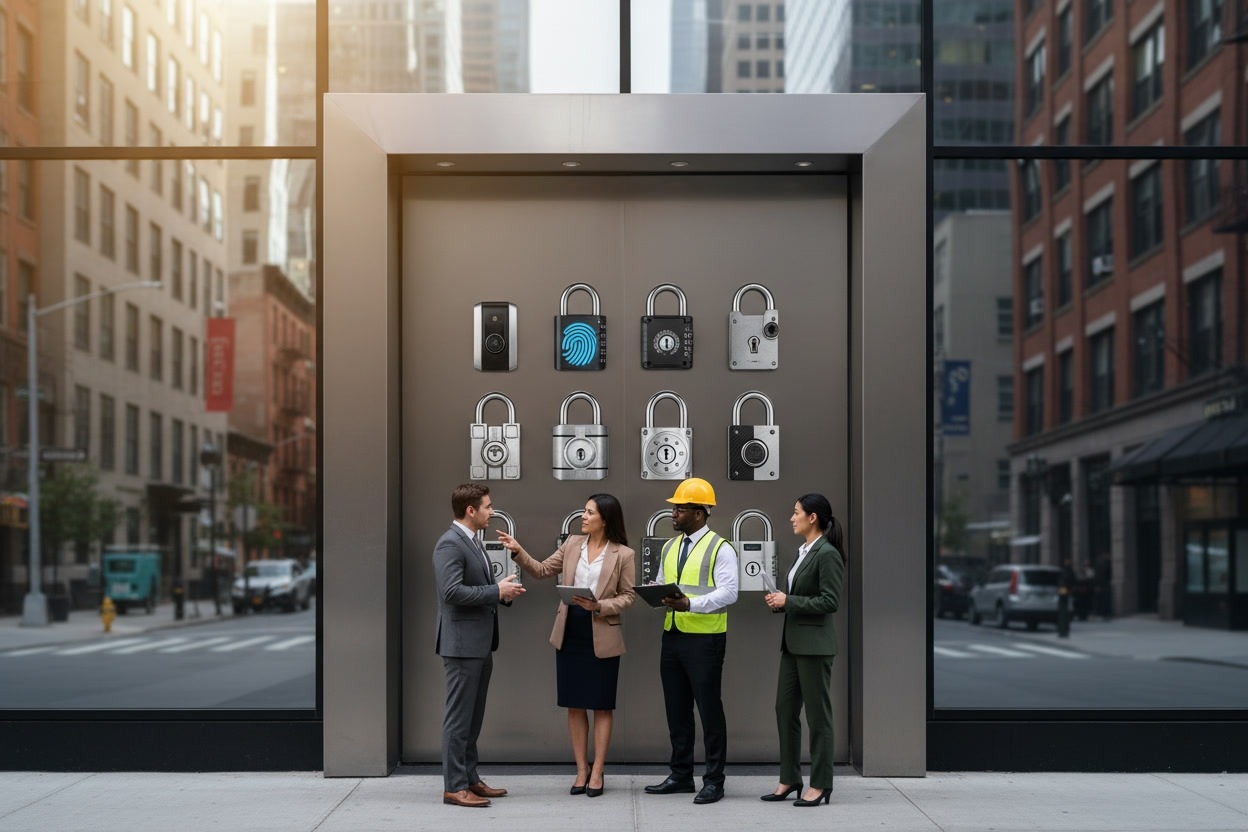
When an employee leaves your company—whether voluntarily or not—it’s crucial to take immediate steps to protect your business assets and sensitive information. Knowing how to secure your NYC business after an employee exit can prevent unauthorized access, data breaches, and potential security threats. From changing office locks to updating access control systems, every measure counts in maintaining a safe and secure work environment. iLocksmiths, a trusted locksmith company serving New York City for over 11 years, specializes in commercial locksmith services tailored to meet the unique needs of local businesses. With a network of over 40 technicians and 24/7 emergency support, iLocksmiths offers fast and reliable solutions such as lock rekeying, master key system updates, and high-security lock installations. Whether your business is located in Manhattan, Brooklyn, Queens, or the Bronx, iLocksmiths is your go-to partner for securing your premises after an employee departure.
Revoke Access to Company Systems and Accounts
When an employee leaves your NYC business—whether voluntarily or involuntarily—one of the most critical steps in maintaining your company’s security is immediately revoking their access to all company systems and accounts. This process is not just about protecting sensitive data; it’s about safeguarding your entire business infrastructure from potential misuse, data breaches, or unauthorized access. According to a 2023 report by Verizon, 22% of data breaches involved insiders, and former employees with lingering access are a significant part of that risk. Therefore, having a structured and timely access revocation process is essential for any business operating in a high-stakes environment like New York City.
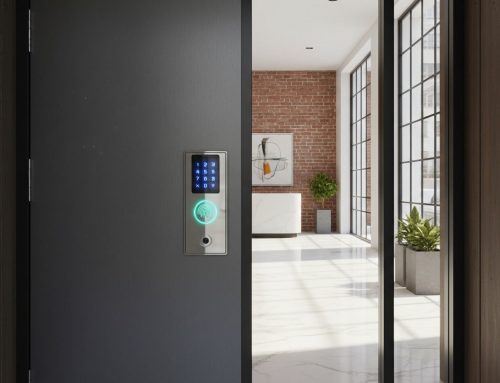
The first step in this process is to identify all the digital and physical systems the departing employee had access to. This includes email accounts, cloud storage platforms, internal databases, customer relationship management (CRM) systems, project management tools, and any proprietary software. Additionally, physical access to office spaces, server rooms, and secure storage areas must be addressed. If your business uses smart locks or keyless entry systems, it’s crucial to update or disable the employee’s credentials immediately. For businesses in areas like Midwood or Bay Ridge, where commercial properties are often shared or multi-tenant, this step becomes even more critical.
Next, coordinate with your IT department or managed service provider to disable the employee’s user accounts across all platforms. This includes revoking access to email, VPNs, shared drives, and collaboration tools like Slack or Microsoft Teams. If your company uses multi-factor authentication (MFA), ensure that any associated devices or phone numbers are removed from the system. According to IBM’s 2023 Cost of a Data Breach Report, the average cost of a data breach in the United States is $9.48 million, making proactive access management not just a security measure but a financial imperative.
It’s also important to change shared passwords and access credentials that the employee may have known. This includes passwords for team accounts, Wi-Fi networks, and third-party services. Consider using a password manager to streamline this process and ensure that new credentials are securely distributed to current employees. For businesses with high employee turnover or seasonal staff, implementing role-based access control (RBAC) can help limit the scope of access and make revocation more manageable.
In addition to digital access, don’t overlook physical security. Collect all company-issued devices such as laptops, smartphones, ID badges, and keys. If the employee had access to secure areas, consider rekeying locks or updating digital access codes. For assistance with physical security updates, you can consult a professional commercial locksmith to ensure that your premises remain secure. Businesses in neighborhoods like Park Slope or Greenpoint can benefit from localized locksmith services that understand the unique security challenges of NYC boroughs.
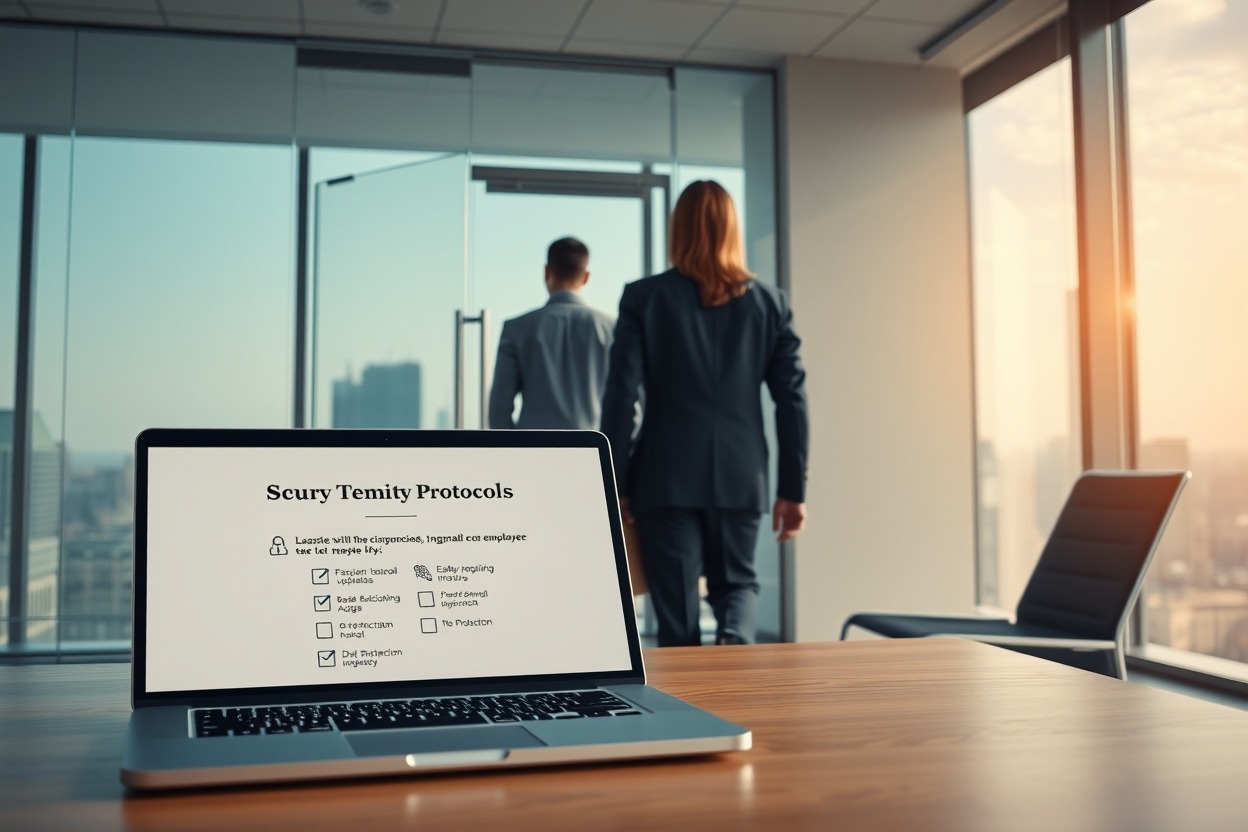
Documentation is another key aspect of this process. Maintain a checklist of all systems and access points to ensure nothing is overlooked. This checklist should be part of your offboarding protocol and reviewed regularly to accommodate new tools or systems added to your business operations. Transparency is also important—communicate the access revocation process clearly to the departing employee to avoid misunderstandings and ensure compliance.
Here are some best practices and examples to consider:
- Use centralized identity and access management (IAM) systems like Okta or Microsoft Azure AD to streamline account deactivation.
- Implement automatic de-provisioning tools that trigger access revocation as soon as an employee is marked as inactive in your HR system.
- Schedule an exit interview that includes a review of all access points and a formal acknowledgment from the employee regarding the return of company property.
- Conduct a post-exit audit to verify that all access has been revoked and no data has been transferred or copied without authorization.
- Engage a third-party cybersecurity firm to perform periodic security assessments and identify any lingering vulnerabilities.
"Failing to revoke access promptly can leave your business exposed to data theft, sabotage, or compliance violations. A single overlooked account can become a gateway for cybercriminals." — Cybersecurity & Infrastructure Security Agency (CISA)
For additional guidance on securing your business premises, consider installing or upgrading your surveillance systems. Our security cameras solutions offer real-time monitoring and remote access, providing an extra layer of protection during employee transitions.
In conclusion, revoking access to company systems and accounts is a non-negotiable step in securing your NYC business after an employee exit. It requires a coordinated effort between HR, IT, and security teams to ensure that no digital or physical access points are left vulnerable. By implementing a structured offboarding process, leveraging modern access management tools, and consulting with trusted security professionals, you can protect your business from internal threats and maintain operational integrity. For personalized assistance, feel free to contact our team of experts who specialize in comprehensive business security solutions tailored to the unique needs of New York City enterprises.
Conduct a Post-Exit Security Audit
After an employee exits your NYC business, one of the most critical steps to ensure ongoing security is to perform a thorough review of all security systems, access points, and digital permissions. This process helps identify any vulnerabilities that may have been overlooked during the offboarding process. Start by auditing all physical access points, such as doors, windows, and storage areas. Make sure that keys, keycards, and access codes previously issued to the former employee are either returned or deactivated. If your business uses smart locks or digital entry systems, update or reset all credentials to prevent unauthorized access. It’s also wise to consult with a professional commercial locksmith to assess whether your current locking mechanisms are still adequate or if upgrades are necessary.
Next, evaluate your digital infrastructure. Remove the former employee’s access to email accounts, internal databases, cloud storage, and any third-party software tools. Change shared passwords and enable two-factor authentication where possible. This is especially important if the employee had administrative privileges or access to sensitive customer or financial data. Conducting a digital audit not only protects your business from potential data breaches but also ensures compliance with privacy regulations.
Additionally, review your surveillance systems to confirm they are functioning properly. Check that all security cameras are operational and positioned correctly to monitor key areas. If your business does not yet have a surveillance system in place, consider installing one to enhance your overall security posture. You can explore options for security cameras that offer remote access and real-time monitoring, which can be particularly useful for business owners who are frequently off-site.
Finally, document all findings from your audit and update your security protocols accordingly. This documentation will serve as a reference for future audits and help you refine your employee exit procedures. Regularly scheduled audits, especially after staff changes, are essential for maintaining a secure business environment. By taking these proactive steps, you not only protect your physical and digital assets but also foster a culture of accountability and vigilance within your organization.
In conclusion, securing your NYC business after an employee exit is a critical step in protecting your company’s assets, data, and reputation. By implementing a comprehensive offboarding process that includes revoking access to systems, retrieving company property, updating passwords, and conducting exit interviews, you can minimize potential risks and ensure a smooth transition. Remember, proactive security measures not only safeguard your business but also demonstrate professionalism and responsibility. Stay vigilant, stay secure, and make employee transitions a seamless part of your business operations.