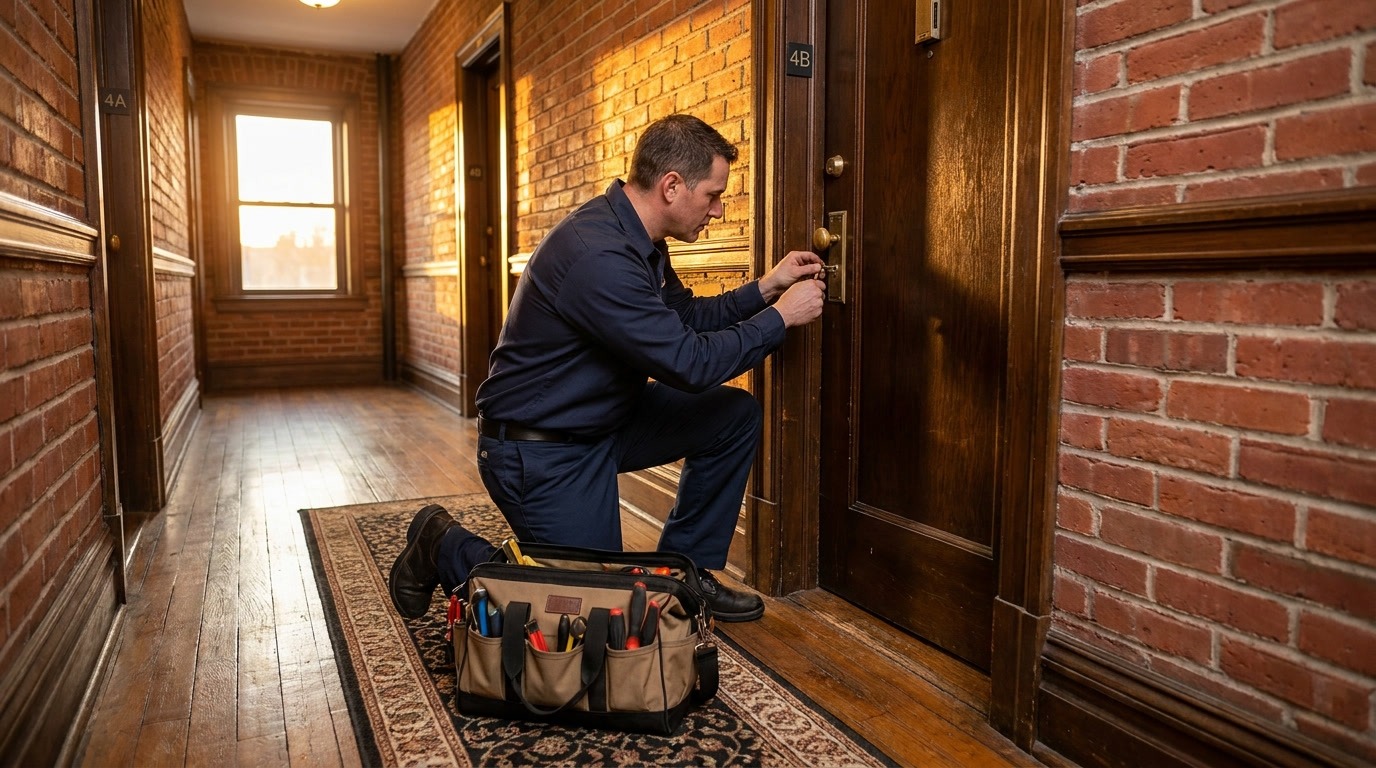
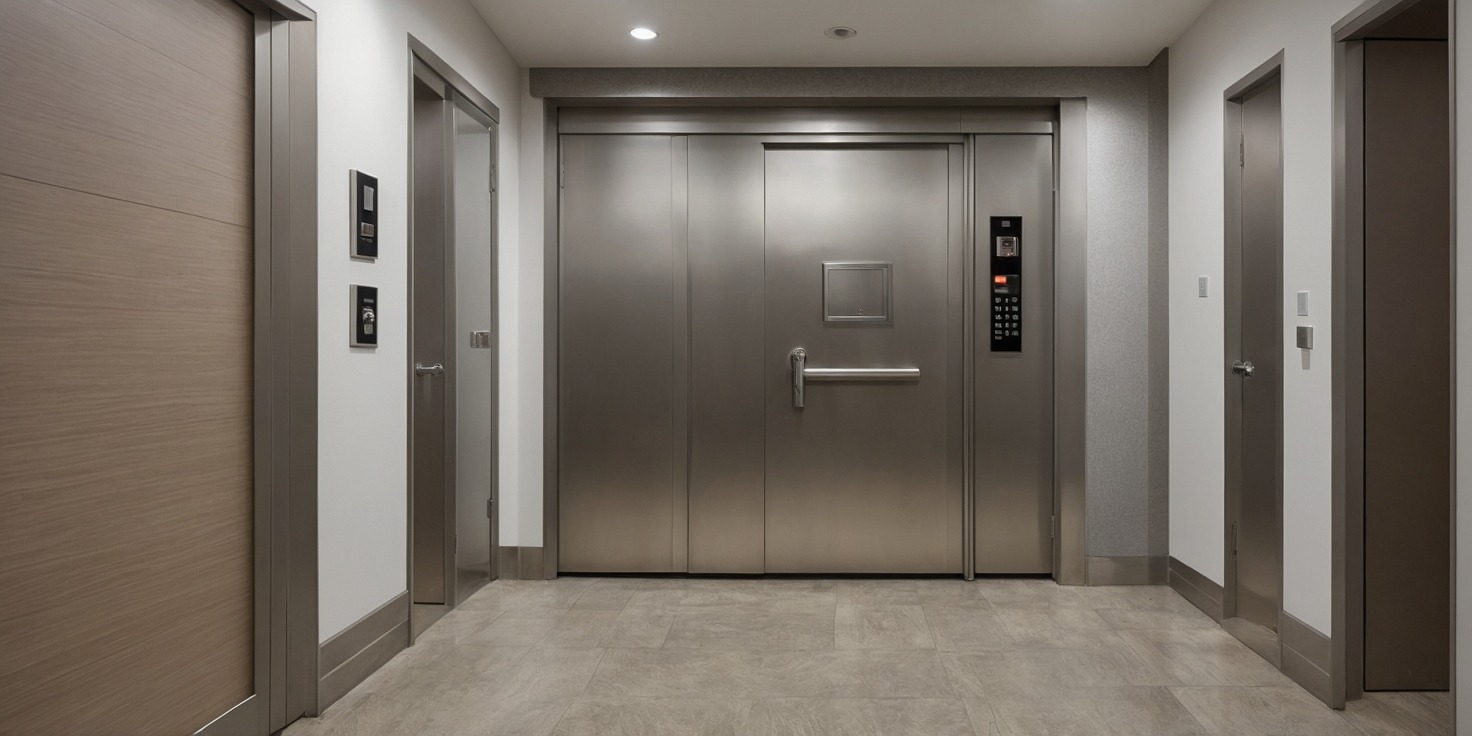
When it comes to securing your New York City apartment, choosing the best locks for NYC apartment fire doors is essential for both safety and compliance with local building codes. Fire-rated doors require specific types of locks that not only enhance security but also maintain the door’s fire-resistance integrity. Whether you’re a tenant or a property owner, understanding which locks are approved for fire doors can help you make informed decisions that protect your home and loved ones. At iLocksmiths, we understand the unique security challenges of NYC living. With over 11 years of experience, our expert team provides 24/7 locksmith services across New York City, specializing in residential, commercial, and automotive locksmith solutions. Our fast response time and dedication to customer satisfaction have made us a trusted name in the industry. In this guide, we’ll explore the top-rated fire door locks that meet NYC regulations, offer enhanced protection, and ensure peace of mind.
Understanding NYC Fire Door Regulations
Navigating fire door regulations in New York City is essential for apartment dwellers, landlords, and property managers alike. Fire doors are a critical component of a building’s fire safety system, designed to prevent the spread of flames and smoke, allowing residents more time to evacuate safely. In NYC, these doors are subject to stringent codes and standards enforced by the New York City Fire Department (FDNY) and the Department of Buildings (DOB), making it vital to understand the legal requirements before choosing the best locks for your apartment fire door.
According to the NYC Building Code and the Fire Code, all fire-rated doors in residential buildings must be self-closing and self-latching. This means that once opened, the door must automatically close and latch without manual assistance. The purpose of this regulation is to ensure that fire doors remain closed during a fire, effectively compartmentalizing the building and slowing the spread of fire and smoke. The National Fire Protection Association (NFPA) also supports these standards, particularly NFPA 80, which governs the installation and maintenance of fire doors and other opening protectives.
“A fire door must be equipped with a self-closing device and a latch that secures the door when closed,” states the NYC Fire Code, Section FC 703.2.
When it comes to installing locks on fire doors, compliance with these regulations is non-negotiable. Any lock or latch added must not interfere with the door’s ability to self-close and latch. For example, deadbolts that require manual locking or unlocking from the inside may be prohibited if they prevent the door from closing automatically. Instead, approved hardware such as fire-rated mortise locks or panic bars are often recommended. These options provide both security and compliance, ensuring that residents are protected without compromising fire safety.
The NYC Department of Housing Preservation and Development (HPD) also mandates that fire doors in multiple dwellings be maintained in good working condition. This includes ensuring that locks and other hardware are not damaged or altered in a way that impairs the door’s function. Regular inspections are required, and violations can result in fines or legal action.
To help you better understand what types of locks are compliant with NYC fire door regulations, here are a few examples of acceptable locking mechanisms:
- Fire-rated mortise locks with automatic latching
- UL-listed panic bars for egress doors
- Self-latching cylindrical locks with fire-rated certification
It’s also important to note that any modifications to fire doors, including the installation of locks, must be performed by a licensed professional. Improper installation can void the fire rating of the door and lead to serious safety risks. If you’re unsure about the compliance of your current setup, consult a certified locksmith or fire safety expert.
For residents and property managers in NYC, working with a trusted local locksmith service can ensure that your fire doors meet all regulatory requirements while still providing the security you need. Whether you live in Park Slope or manage a property in Greenpoint, professional guidance can help you avoid costly mistakes and ensure peace of mind.
Additionally, the NYC Fire Department conducts regular inspections of residential buildings to ensure compliance with fire safety codes. According to a 2022 report by the FDNY, over 1,500 violations related to fire door maintenance and locking mechanisms were issued citywide. This highlights the importance of staying up-to-date with current regulations and ensuring that your apartment’s fire doors are both secure and compliant.
For more detailed information on fire door regulations and safety standards, you can refer to the following resources:
- NYC Building Code
- NFPA 80: Standard for Fire Doors and Other Opening Protectives
- NYC Fire Code
Understanding and adhering to NYC fire door regulations is not just a legal obligation—it’s a crucial step in protecting lives and property. By choosing the right locks and ensuring proper installation, you can enhance both the safety and security of your apartment. For expert assistance, consider reaching out to a professional through our residential locksmith services or contact us directly for a consultation.
Key Features to Look for in Fire Door Locks
When selecting the best locks for NYC apartment fire doors, it is essential to focus on features that ensure both safety and compliance with local fire codes. Fire doors serve a critical role in containing fires and allowing safe evacuation, so the locks used must not compromise their function. One of the most important features to consider is fire resistance certification. Locks installed on fire-rated doors must be tested and approved by recognized standards such as UL (Underwriters Laboratories) or ANSI (American National Standards Institute). These certifications confirm that the lock can withstand high temperatures for a specified period without failing, which is crucial in a fire emergency.
Another key feature is the lock’s ability to allow quick and easy egress. In New York City, building codes require that occupants must be able to exit through a fire door without the use of keys, tools, or special knowledge. This means that the lock should include a panic bar or a single-action lever that can be operated effortlessly from the inside. Deadbolts that require a key to unlock from the inside are not suitable for fire doors, as they can delay evacuation and pose a serious safety risk.
Durability and strength are also vital considerations. Fire door locks in NYC apartments are subject to frequent use and must be able to withstand daily wear and tear. Look for locks made from high-quality materials such as stainless steel or brass, which offer both strength and corrosion resistance. Additionally, locks should have a high-grade rating, such as ANSI Grade 1 or 2, indicating superior performance and longevity. These grades are especially important in multi-unit buildings where doors are used by many residents throughout the day.
Compatibility with the door and frame is another important factor. Fire doors are typically heavier and thicker than standard doors, so the lock must be designed to fit properly and function reliably under those conditions. Improperly fitted locks can compromise the integrity of the fire door and may even void its fire rating. It is advisable to consult with a professional locksmith to ensure the lock is correctly installed and meets all safety requirements. For expert guidance, you can reach out to a trusted residential locksmith who understands the specific needs of NYC apartment buildings.
Security features should not be overlooked either. While fire doors are primarily designed for safety during emergencies, they also serve as entry points to your home and must provide adequate protection against unauthorized access. Look for locks with advanced security features such as anti-pick, anti-drill, and bump-resistant technologies. These enhancements help deter break-ins and provide peace of mind for residents in high-density urban areas like New York City.
Ease of maintenance and repair is another practical consideration. Locks on fire doors should be easy to inspect and service without compromising their fire rating. Some modern locks come with modular components that can be replaced individually, reducing the need for complete lock replacement in case of damage or malfunction. Regular maintenance by a qualified locksmith can help ensure that your fire door lock remains in optimal condition. If you need assistance with lock maintenance or upgrades, consider contacting a professional through the contact page.
Finally, consider whether the lock integrates with other building security systems. In many NYC apartment buildings, fire doors are part of a broader security infrastructure that may include access control systems, intercoms, or surveillance cameras. Choosing a lock that can be integrated with these systems can enhance both safety and convenience. For example, some electronic locks can be connected to building management systems, allowing for remote monitoring and control. This is particularly beneficial in larger residential complexes where centralized security is a priority.
In summary, the best locks for NYC apartment fire doors should combine fire resistance, ease of egress, durability, compatibility, and security. By focusing on these key features and consulting with experienced professionals, you can ensure that your fire door locks meet all safety standards while providing reliable protection for your home.
Top-Rated Locks for NYC Apartment Fire Doors
When it comes to securing NYC apartment fire doors, choosing the right lock is critical not only for safety but also for compliance with local fire codes. Fire doors serve a dual purpose: they help prevent the spread of fire and smoke, and they provide a secure barrier against unauthorized entry. Therefore, the locks used on these doors must meet specific standards to ensure both fire safety and security. In New York City, where building codes are stringent and apartment living is dense, selecting a top-rated lock can make all the difference in protecting your home and loved ones.
One of the most recommended types of locks for fire-rated apartment doors in NYC is the mortise lock. These locks are known for their durability and strength, making them ideal for high-traffic residential buildings. Mortise locks are embedded into the door itself, providing a more secure fit than surface-mounted locks. Many models are UL-listed, meaning they have been tested and certified for use on fire doors. Brands like Schlage, Yale, and Mul-T-Lock offer high-quality mortise locks that are both fire-rated and pick-resistant, ensuring maximum protection.
Another excellent option is the cylindrical lock with a fire-rated latch. These locks are easier to install than mortise locks and are often used in newer apartment buildings. Look for models that are ANSI Grade 1 certified, which indicates the highest level of security and durability. Some cylindrical locks also come with smart lock capabilities, allowing residents to control access via smartphone apps or keypads. This feature is particularly useful for those who frequently have guests or service personnel entering their apartments.
Deadbolts are also commonly used in conjunction with other locks to enhance security. However, it is essential to ensure that any deadbolt installed on a fire door is fire-rated and does not impede egress in case of an emergency. Double-cylinder deadbolts, which require a key on both sides, are generally not recommended for fire doors due to safety concerns. Instead, opt for a single-cylinder deadbolt with a thumb turn on the inside, which allows for quick and easy exit.
For those living in older buildings or historic apartments, retrofitting fire doors with modern, compliant locks can be a challenge. In such cases, consulting with a professional locksmith is crucial. A certified locksmith can assess the door’s material, thickness, and existing hardware to recommend the best locking solution that meets both safety and code requirements. If you need expert advice or installation services, consider reaching out to our experienced team at residential locksmith services.
In addition to traditional locks, many NYC residents are now opting for smart locks that are compatible with fire-rated doors. These locks offer the convenience of keyless entry and remote access while still adhering to fire safety standards. Some models even integrate with home security systems, providing real-time alerts and access logs. When selecting a smart lock, make sure it is UL-listed and compatible with your door’s fire rating.
It’s also important to consider the door frame and strike plate when upgrading your lock. A high-quality lock is only as strong as the frame it is mounted on. Reinforcing the door frame with a heavy-duty strike plate and using long screws can significantly enhance the overall security of your fire door. For comprehensive security solutions, including lock upgrades and door reinforcements, our team at iLocksmiths is here to help.
Ultimately, the best lock for your NYC apartment fire door will depend on your specific needs, building regulations, and budget. Whether you prefer a traditional mortise lock, a modern smart lock, or a combination of both, it’s essential to choose a product that is both fire-rated and secure. With the right lock in place, you can enjoy peace of mind knowing that your home is protected against both fire hazards and unauthorized access.
Smart Lock Options That Meet Fire Safety Standards
When selecting the best locks for NYC apartment fire doors, it is essential to consider not only security but also compliance with fire safety standards. Smart locks have become increasingly popular due to their convenience, remote access capabilities, and integration with home automation systems. However, not all smart locks are suitable for fire-rated doors. In New York City, where building codes are strict and fire safety is a top priority, choosing a smart lock that meets these regulations is critical.
Smart locks designed for fire-rated doors must be UL 10C certified or equivalent, ensuring they can withstand high temperatures and maintain door integrity during a fire. These locks are typically tested for up to 90 minutes of fire exposure, making them suitable for most apartment entry doors in NYC. Additionally, they must allow for quick and easy egress without the need for keys or complicated mechanisms, aligning with NYC fire code requirements for emergency exits.
One of the key features to look for in a compliant smart lock is its fail-safe mechanism. In the event of a power outage or system failure, the lock should default to a safe mode that allows residents to exit the building without delay. Battery-powered smart locks with manual key overrides are a practical choice, offering both technological convenience and traditional reliability. Brands like Schlage, Yale, and August offer models that meet these criteria and are widely used in NYC residential buildings.
Another important consideration is the lock’s compatibility with existing fire-rated doors. Many apartment buildings in New York have pre-installed fire doors that cannot be altered significantly without violating code. Therefore, the smart lock must be retrofit-friendly, allowing installation without compromising the door’s fire rating. Professional installation by a certified locksmith is highly recommended to ensure compliance and functionality. If you are unsure about the compatibility of a smart lock with your apartment door, consulting a trusted residential locksmith can provide clarity and peace of mind.
Smart locks also offer enhanced security features such as remote locking and unlocking, real-time alerts, and integration with security systems. These features are particularly beneficial in urban environments like New York City, where residents may want to monitor access to their homes from anywhere. Some models even support biometric access or virtual keys, allowing temporary access for guests or service providers without compromising security.
For landlords and property managers, smart locks can simplify key management and improve tenant satisfaction. They eliminate the need for physical key exchanges and allow for centralized control of multiple units. However, it is crucial to ensure that any smart lock system used in multi-unit buildings complies with both fire safety and building codes. Working with a knowledgeable commercial locksmith can help ensure that installations meet all legal and safety requirements.
In conclusion, while smart locks offer numerous advantages for NYC apartment dwellers, selecting a model that meets fire safety standards is non-negotiable. Look for UL-certified products, ensure compatibility with existing fire-rated doors, and seek professional installation to maintain compliance. Whether you are upgrading your own apartment or managing a residential building, investing in the right smart lock enhances both safety and convenience. For expert guidance and installation services, consider reaching out through our contact page to speak with a licensed locksmith familiar with New York City’s specific requirements.
Installation Tips for Maximum Security and Compliance
Proper installation of locks on NYC apartment fire doors is essential for ensuring both maximum security and compliance with local fire safety regulations. When choosing the best locks for these doors, it is important to consider not only the strength and durability of the lock but also how it is installed. A poorly installed lock can compromise the integrity of the fire door, potentially violating building codes and putting residents at risk. To avoid these issues, always consult with a professional locksmith who is familiar with New York City’s specific fire safety standards. This ensures that the lock is not only secure but also legally compliant.
Start by selecting a lock that is UL-listed or ANSI-rated, as these certifications indicate that the lock meets rigorous safety and performance standards. Deadbolts and mortise locks are often recommended for apartment fire doors due to their strength and resistance to forced entry. However, it is crucial that these locks do not interfere with the door’s self-closing and self-latching mechanisms, which are required by NYC fire codes. Improper installation can hinder these functions, rendering the fire door ineffective in an emergency.
Before installation, assess the door material and frame to determine the appropriate tools and techniques. Fire-rated doors are typically made of metal or solid-core wood, which require specialized equipment to install locks without damaging the door’s integrity. Drilling or cutting into a fire-rated door must be done with precision to maintain its certification. For this reason, many residents turn to experienced professionals like those at iLocksmiths’ residential locksmith services, who understand the nuances of working with fire-rated materials.
Another critical aspect is ensuring that the lock allows for quick and easy egress in case of an emergency. NYC regulations mandate that occupants must be able to exit without the use of a key, tool, or special knowledge. Therefore, installing a lock with a thumb-turn mechanism on the interior side is often the best choice. Avoid double-cylinder deadbolts unless absolutely necessary and permitted by code, as they require a key to unlock from both sides, which can delay evacuation during a fire.
Additionally, consider integrating your lock system with other security features such as door viewers, strike plates, and even smart lock technology. While these enhancements can improve overall security, they must be installed in a way that does not compromise the fire door’s function. For comprehensive solutions, residents in areas like Midwood or other Brooklyn neighborhoods can benefit from local expertise that ensures both safety and compliance.
Routine maintenance and inspections are also vital. Over time, locks can loosen, misalign, or wear down, especially in high-traffic apartment buildings. Regularly checking the lock’s functionality and ensuring that the door closes and latches properly can prevent future issues. If any problems arise, it’s advisable to contact a professional immediately to avoid potential violations or safety hazards. You can easily reach out to iLocksmiths through their contact page for prompt assistance.
In summary, installing the best locks on NYC apartment fire doors requires more than just choosing a high-quality product. It involves careful planning, adherence to local codes, and professional expertise to ensure that the lock enhances security without compromising fire safety. By following these guidelines and working with knowledgeable locksmiths, residents can achieve peace of mind knowing their homes are both secure and compliant.
Common Mistakes to Avoid When Choosing a Fire Door Lock
When selecting the best locks for NYC apartment fire doors, it’s crucial to avoid common mistakes that can compromise both safety and compliance with local fire codes. Many residents and property owners unknowingly choose locks that do not meet the specific requirements for fire-rated doors, which can lead to serious consequences in the event of an emergency. One of the most frequent errors is installing a lock that impedes egress. Fire doors must allow for quick and easy exit without the need for keys, tools, or special knowledge. Choosing a lock that requires a key to open from the inside can violate fire safety regulations and put lives at risk during an emergency.
Another common mistake is overlooking the fire rating compatibility of the lock itself. Not all locks are designed to withstand high temperatures or maintain integrity during a fire. Installing a non-rated lock on a fire-rated door can nullify the door’s certification, rendering it ineffective in containing fire and smoke. It’s essential to ensure that the lock is UL-listed or certified for use on fire doors, which guarantees it has been tested under rigorous conditions.
Improper installation is another pitfall that can compromise the effectiveness of a fire door lock. Even the highest quality lock will fail if not installed correctly. Misalignment, loose fittings, or incorrect placement can prevent the door from closing properly or delay evacuation. Hiring a professional residential locksmith with experience in fire door hardware is a smart investment to ensure compliance and functionality.
Many apartment owners also make the mistake of prioritizing aesthetics over safety. While it’s understandable to want a lock that matches the decor, functionality and compliance should always come first. Decorative locks that are not fire-rated or that interfere with the door’s self-closing mechanism can be a serious hazard. It’s important to choose locks that are both secure and compliant with NYC fire codes.
Failing to consider the building’s specific fire safety regulations is another oversight. NYC has strict codes regarding fire doors, especially in multi-unit dwellings. These regulations may vary depending on the building’s age, occupancy type, and layout. Consulting with a knowledgeable locksmith who understands local codes can help avoid costly violations and ensure the safety of all residents. For those living in areas like Midwood or other Brooklyn neighborhoods, working with a local expert familiar with regional requirements is especially beneficial.
Another mistake is neglecting regular maintenance and inspections. Even if the right lock is installed, wear and tear over time can affect its performance. Locks on fire doors should be checked periodically to ensure they function properly and haven’t been tampered with or damaged. Routine maintenance can identify issues before they become serious problems, ensuring the lock continues to meet safety standards.
Lastly, some residents attempt DIY installations or repairs to save money, which can lead to non-compliance and increased risk. Fire door locks are specialized hardware that require precise installation and knowledge of safety standards. It’s always best to rely on a certified locksmith to handle these tasks. If you’re unsure about your current setup or need expert advice, don’t hesitate to contact a professional for guidance.
Avoiding these common mistakes can make a significant difference in ensuring your NYC apartment is both secure and compliant with fire safety regulations. By choosing the right lock, ensuring proper installation, and maintaining the hardware, you can protect your property and the lives of those who live there.
Maintenance and Inspection Guidelines for Fire Door Locks
Proper maintenance and regular inspection of fire door locks are essential to ensure the safety and security of your NYC apartment. Fire doors are a critical component of a building’s fire protection system, and their locks must function flawlessly to prevent the spread of fire and smoke. Over time, even the best locks can wear down due to frequent use, environmental factors, or lack of upkeep. Therefore, establishing a consistent maintenance routine is key to preserving the integrity of your fire door locks and complying with local fire safety regulations.
Start by conducting visual inspections at least once every three months. Look for signs of wear, rust, or damage on the lock mechanism, strike plate, and surrounding door frame. Ensure that the lock engages and disengages smoothly without resistance. If you notice any misalignment or difficulty in operation, it may indicate that the lock or door has shifted, which can compromise its effectiveness during an emergency. In such cases, it’s advisable to consult a professional residential locksmith to assess and correct the issue promptly.
Lubrication is another important aspect of lock maintenance. Use a graphite-based lubricant or a silicone spray to keep the internal components of the lock functioning smoothly. Avoid using oil-based products, as they can attract dust and debris, leading to blockages over time. Additionally, check that all screws and mounting hardware are secure. Loose components can cause the lock to malfunction or fail entirely during a fire emergency.
Fire door locks should also be tested for compliance with NYC building codes and fire safety standards. This includes verifying that the lock allows for quick and easy egress without the use of a key or special knowledge, as required by law. If your lock does not meet these criteria, it may need to be replaced with a code-compliant model. For expert guidance, consider reaching out to a certified locksmith through the contact page to schedule an inspection or upgrade.
In multi-unit buildings, property managers should implement a documented maintenance schedule and keep records of all inspections, repairs, and replacements. This not only ensures accountability but also helps in identifying recurring issues that may require a more permanent solution. Tenants should be encouraged to report any problems with their fire door locks immediately, as delays in addressing these issues can pose serious safety risks.
Environmental factors such as humidity, temperature fluctuations, and exposure to salt air (especially in coastal areas like Brooklyn) can accelerate wear and corrosion. Residents in neighborhoods like Brighton Beach or Bay Ridge should be particularly vigilant about inspecting their fire door locks more frequently. In such areas, investing in corrosion-resistant lock materials like stainless steel or brass can enhance durability and performance.
Finally, it’s important to remember that fire door locks are not just about security—they are life-saving devices. Regular maintenance and timely inspections ensure that these locks perform their intended function during emergencies, providing peace of mind to residents and property owners alike. By staying proactive and working with experienced locksmith professionals, you can ensure that your NYC apartment remains both secure and compliant with fire safety standards.
In conclusion, choosing the best lock for your NYC apartment fire door is essential for ensuring both safety and compliance with local building codes. With the unique challenges of urban living—such as high foot traffic, strict fire regulations, and the need for robust security—it’s crucial to invest in a lock that offers durability, ease of use, and fire-rated certification. Whether you opt for a heavy-duty deadbolt, a smart lock with remote access, or a mortise lock designed for fire doors, always prioritize quality and proper installation. By selecting the right lock, you not only protect your home and loved ones but also contribute to the overall safety of your building.