Every business eventually faces the same question: who still has a key? Employees move on, contractors finish their work, keys get lost, and a new tenant inherits locks that an unknown number of people can open. Rekeying answers that question without replacing a single lock. It is one of the fastest, most cost-effective security upgrades a commercial property can make.
This article explains what rekeying is, when a business should schedule it, and how it compares to replacing hardware.
What rekeying means
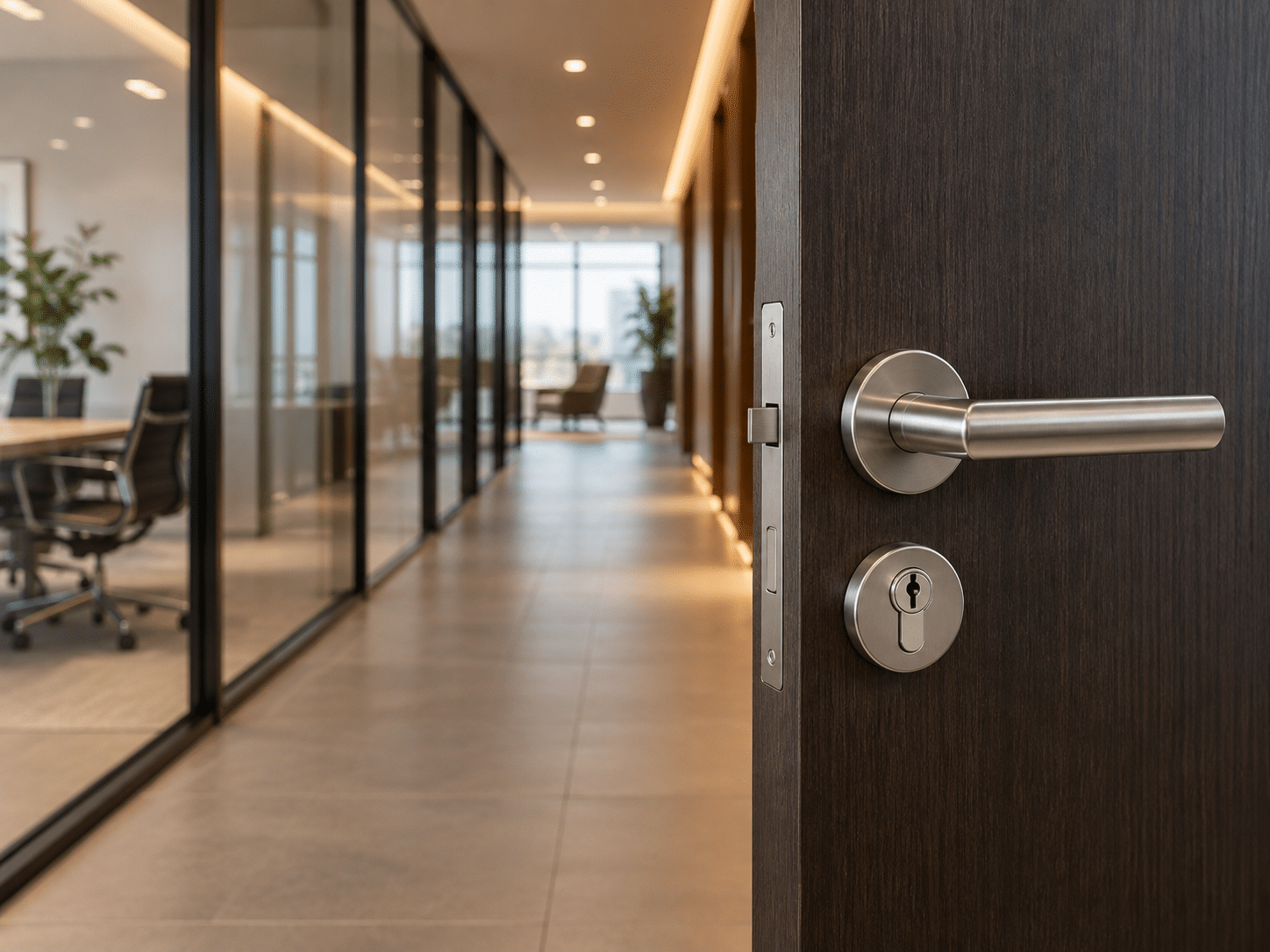
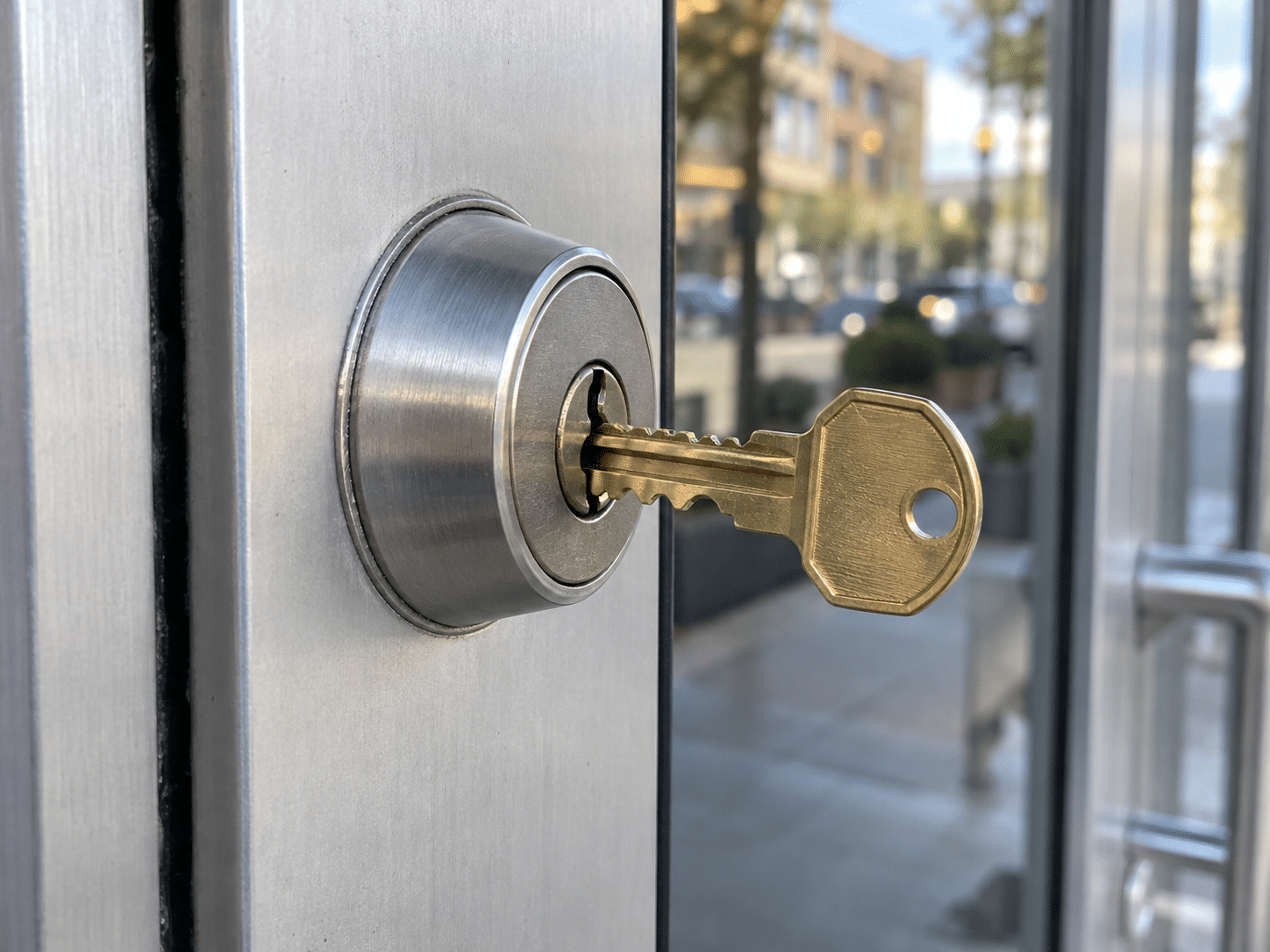
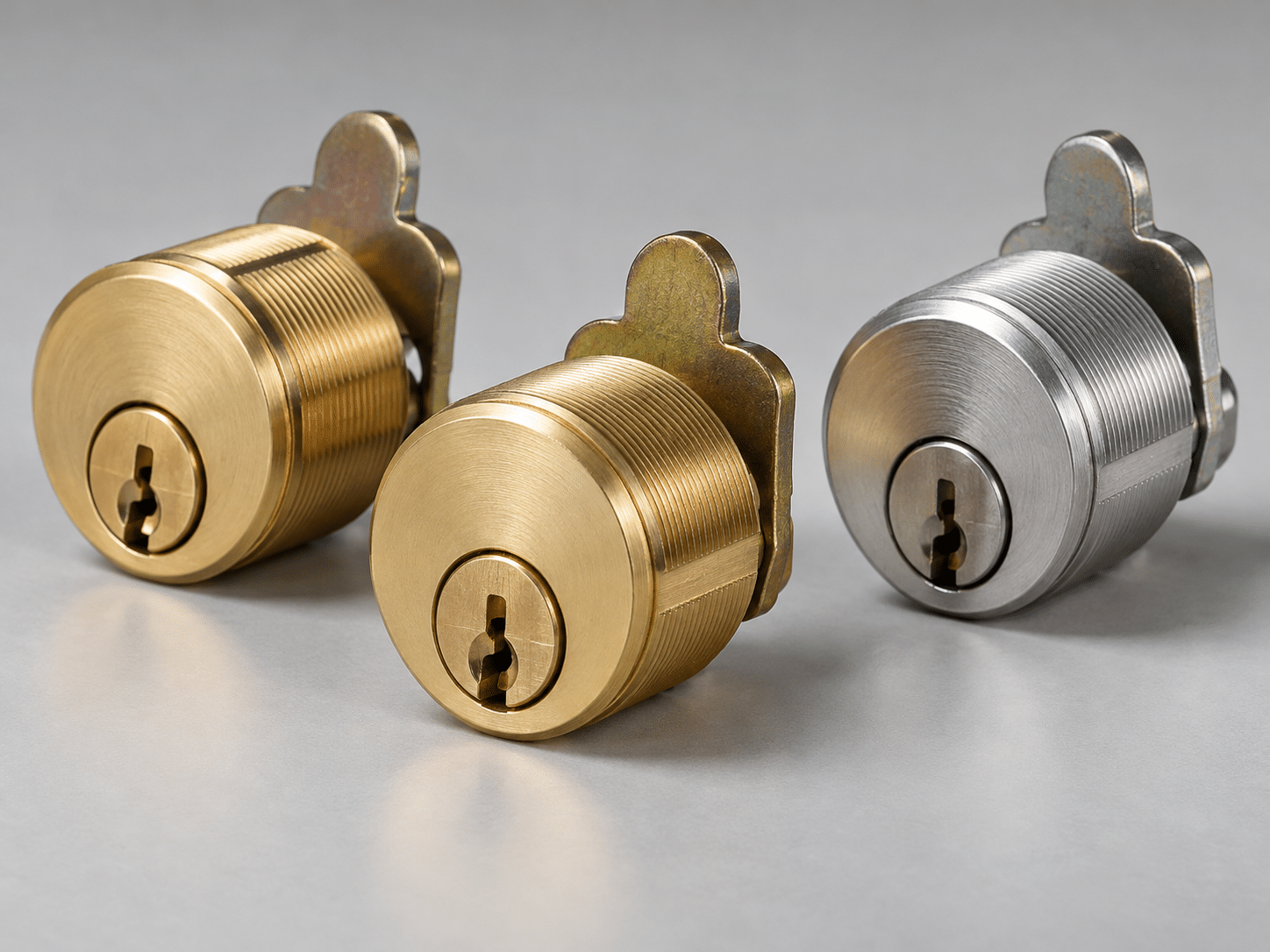
Inside every standard lock cylinder is a set of small pins that match the cuts of one specific key. Rekeying replaces those pins with a new combination, so the old key stops working and a new key takes its place. The lock body, the handle and the door stay exactly as they are. The cylinder is opened, re-pinned and reassembled, usually in minutes per door.

Rekeying vs replacing locks
Replacing hardware makes sense when a lock is worn out, damaged or due for a security upgrade. Rekeying makes sense when the hardware is in good condition and the goal is simply to control which keys work. It costs less than replacement, creates no disruption to the door, and can be done across an entire property in a single visit.
When a business should rekey
- Employee turnover: a staff member with keys leaves, on good terms or bad.
- Lost or unreturned keys: one missing key is enough reason.
- New lease or purchase: a new tenant or owner has no way to know how many old keys exist.
- After a break-in or attempted entry: restore control of the perimeter immediately.
- Contractor and vendor access: after renovations or one-time work that required a key.
- Key control cleanup: too many unlabeled copies in circulation, and no one sure who holds what.
What to expect during a rekey
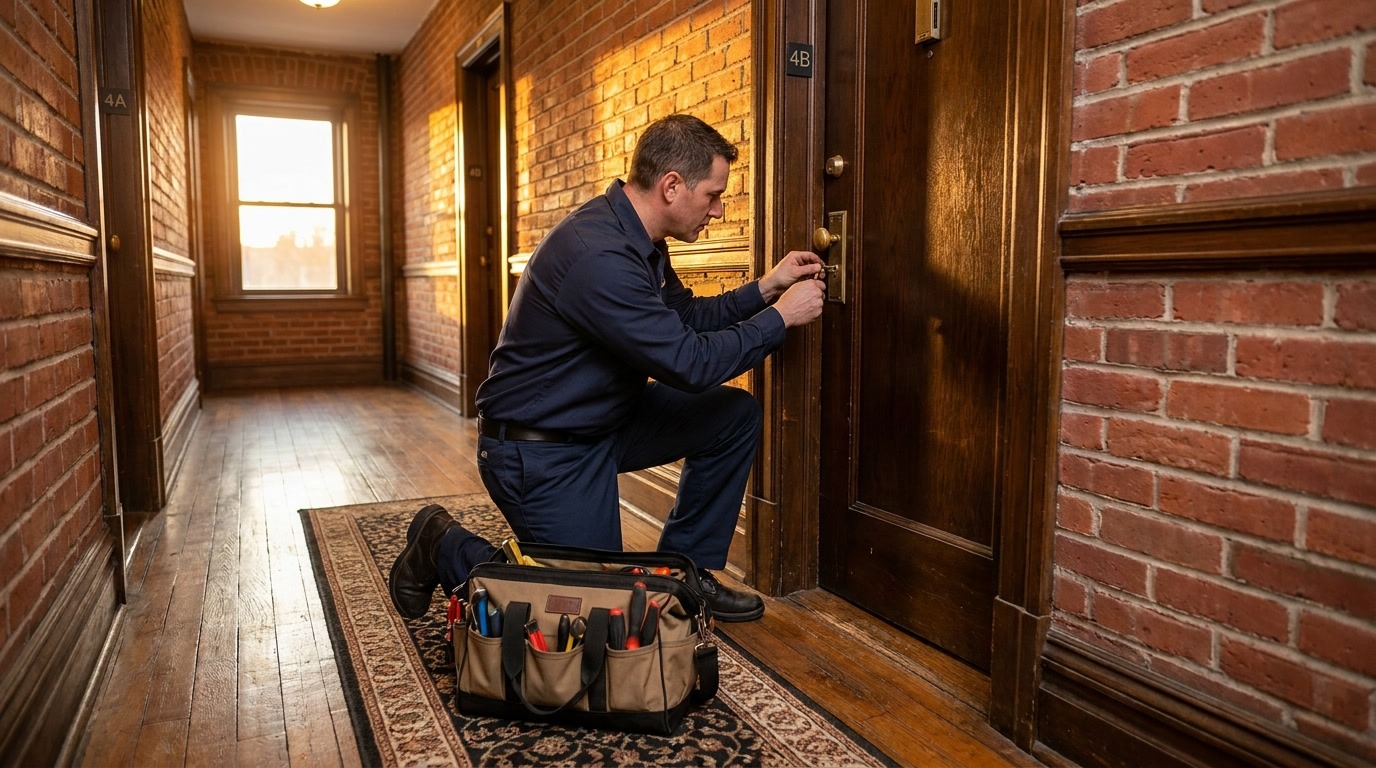
A commercial locksmith works door by door, removing each cylinder, re-pinning it to the new key and testing operation before moving on. Doors stay functional throughout the visit, so the business keeps running. At the end, old keys are retired and the business receives a controlled set of new ones. For properties with several doors, this is also the natural moment to consider how the keys relate to each other.
From rekeying to key control
Rekeying is also the starting point for a more organized property. While the cylinders are open, locks can be pinned into a master key system, where managers carry one key for the whole building and staff carry keys only for their own areas. For a growing business, planning that structure during a rekey costs little extra and prevents a tangle of keys later.
Commercial rekeying in Brooklyn and New York City
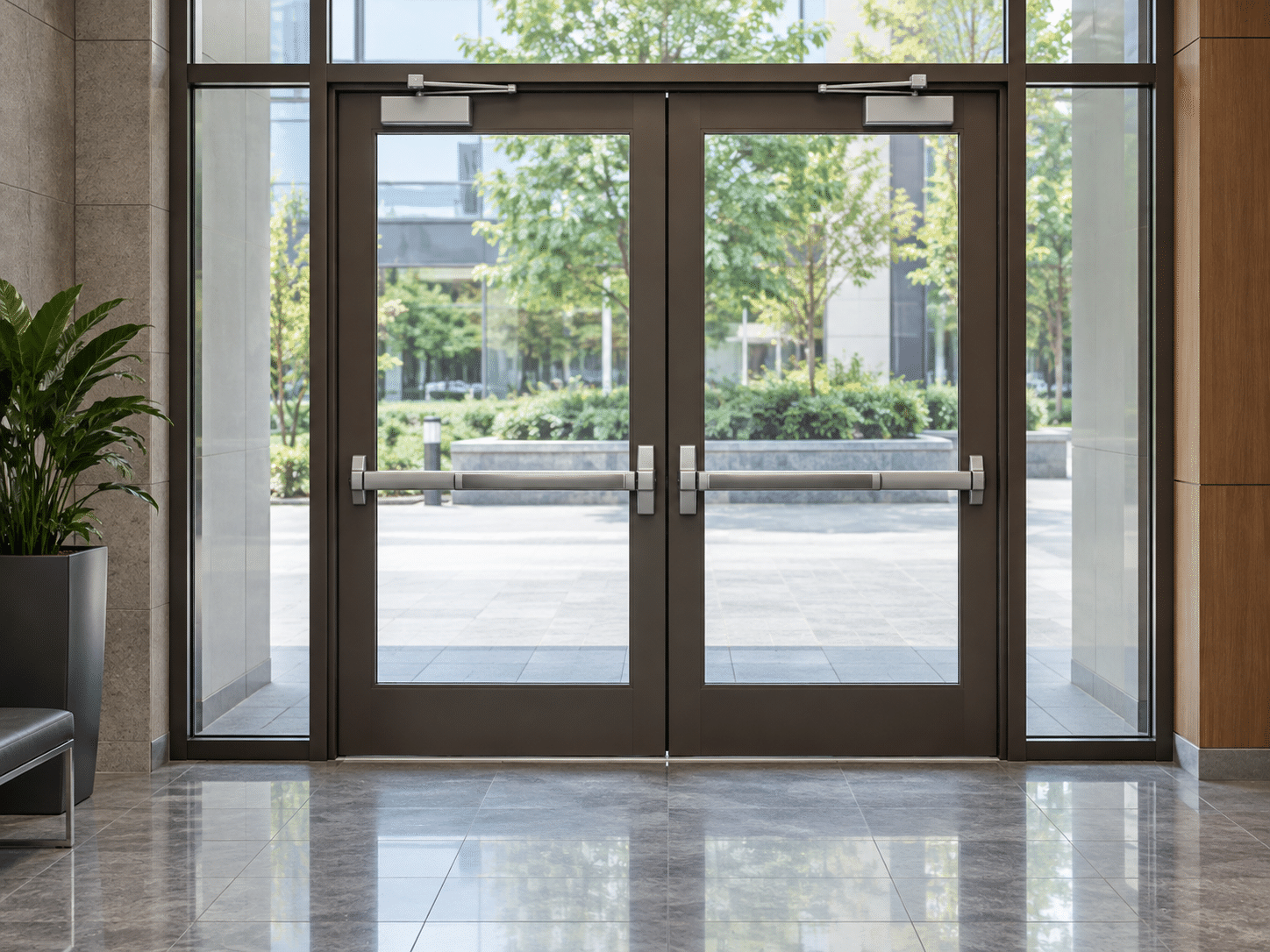
iLocksmiths has served Brooklyn and New York City for more than 15 years. We rekey commercial properties of every size, from a single storefront to multi-floor offices and managed buildings, and we handle the related work in the same visit: lock repair and replacement, master key systems, door closers, panic bars and access control. If your business has had staff changes, lost keys or a new lease, we can restore key control quickly.
Call us at (718) 504-5625 to schedule a rekey, or visit ilocksmiths.com to see our commercial locksmith services across Brooklyn and all five boroughs.