Walk into any well-run commercial building and behind the scenes there is an invisible structure deciding who can open what. That structure is a master key system. Instead of a ring of unlabeled keys passed around the office, a master key system gives every person exactly the access they need: one key for their own door, another key for managers, and a single master key for the owner or property manager.
This article explains how master key systems work, who benefits from them, and what goes into planning one.
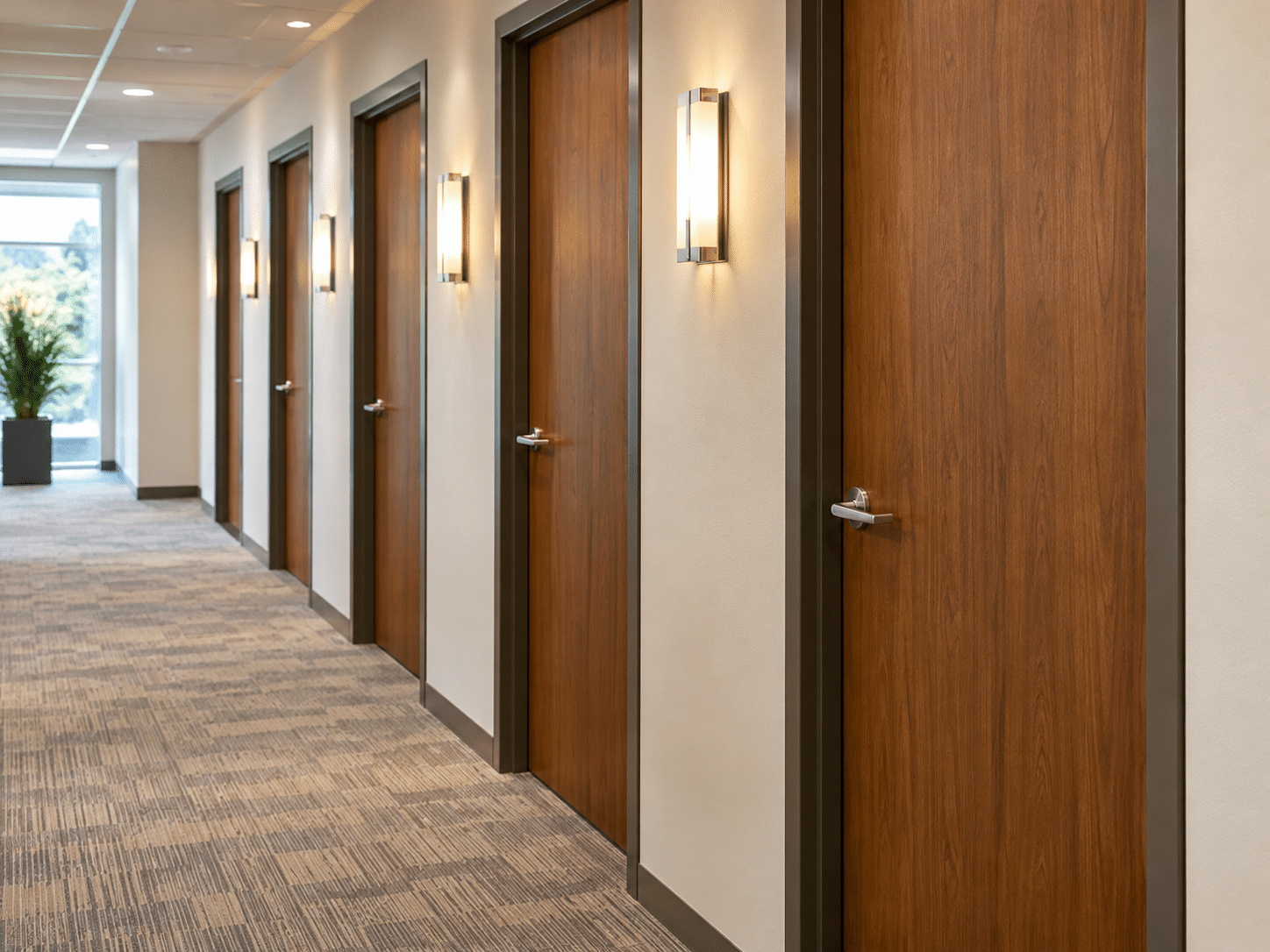
What a master key system is
A master key system is a planned hierarchy of keys and locks. At the bottom level are change keys, each opening one door or one small group of doors. Above them, a master key opens every lock in a department, floor or suite. In larger properties, a grand master key opens everything in the building. Each lock in the system is pinned so that both its own change key and the keys above it in the hierarchy will operate it, while keys from other areas will not.

How it works inside the lock
A standard cylinder has one shear line, the point where the pins must align for the plug to turn. Master-keyed cylinders use additional pin segments that create more than one valid alignment. That is what lets a door open for its own key and for the master key, without any change to the hardware a user can see. The planning happens on paper first, then each cylinder is pinned to its place in the chart.

Who benefits
- Property managers and landlords: one master key for the whole building, individual keys for tenants, and clean rekeying when a tenant changes.
- Offices: managers open every room; staff open only their suite or floor.
- Schools and facilities: administrators, custodians and teachers each get exactly the access their role requires.
- Retail and multi-tenant properties: owners keep control of shared areas while tenants control their own storefronts.
Planning a system that lasts
A good master key system starts with a door schedule: every opening listed, grouped by who should reach it. Growth is planned in from the start, so new doors and new tenants can join the system later without rebuilding it. Done well, the structure stays useful for years and survives staff changes, new leases and expansions.
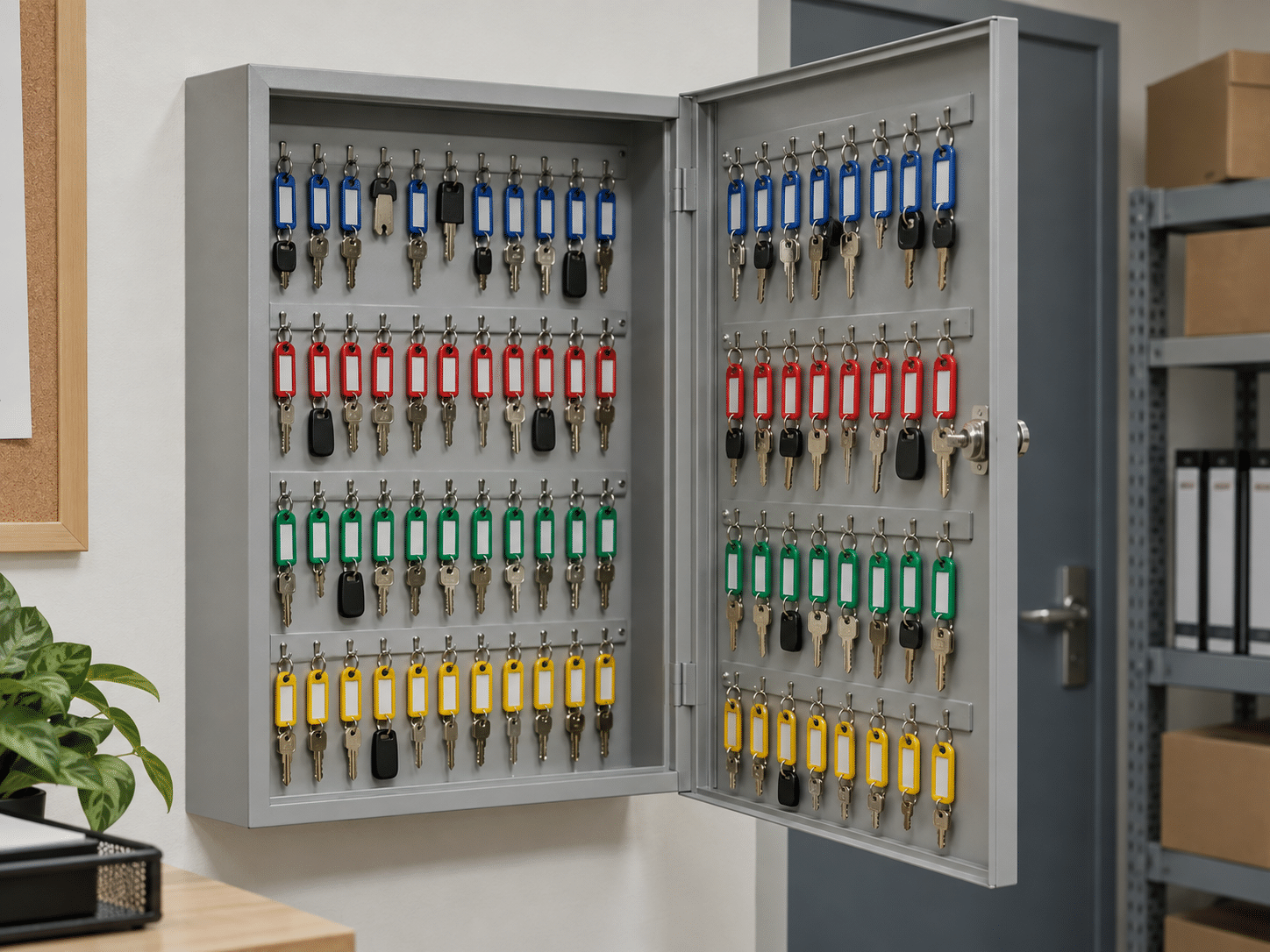
Key control and restricted keyways
A master key system only stays secure if keys cannot be copied freely. Restricted keyways use blanks that are not available at hardware stores or kiosks, so duplicates can only be cut through authorized channels. Combined with a simple sign-out rule for issued keys, key control turns the system from a convenience into real security.
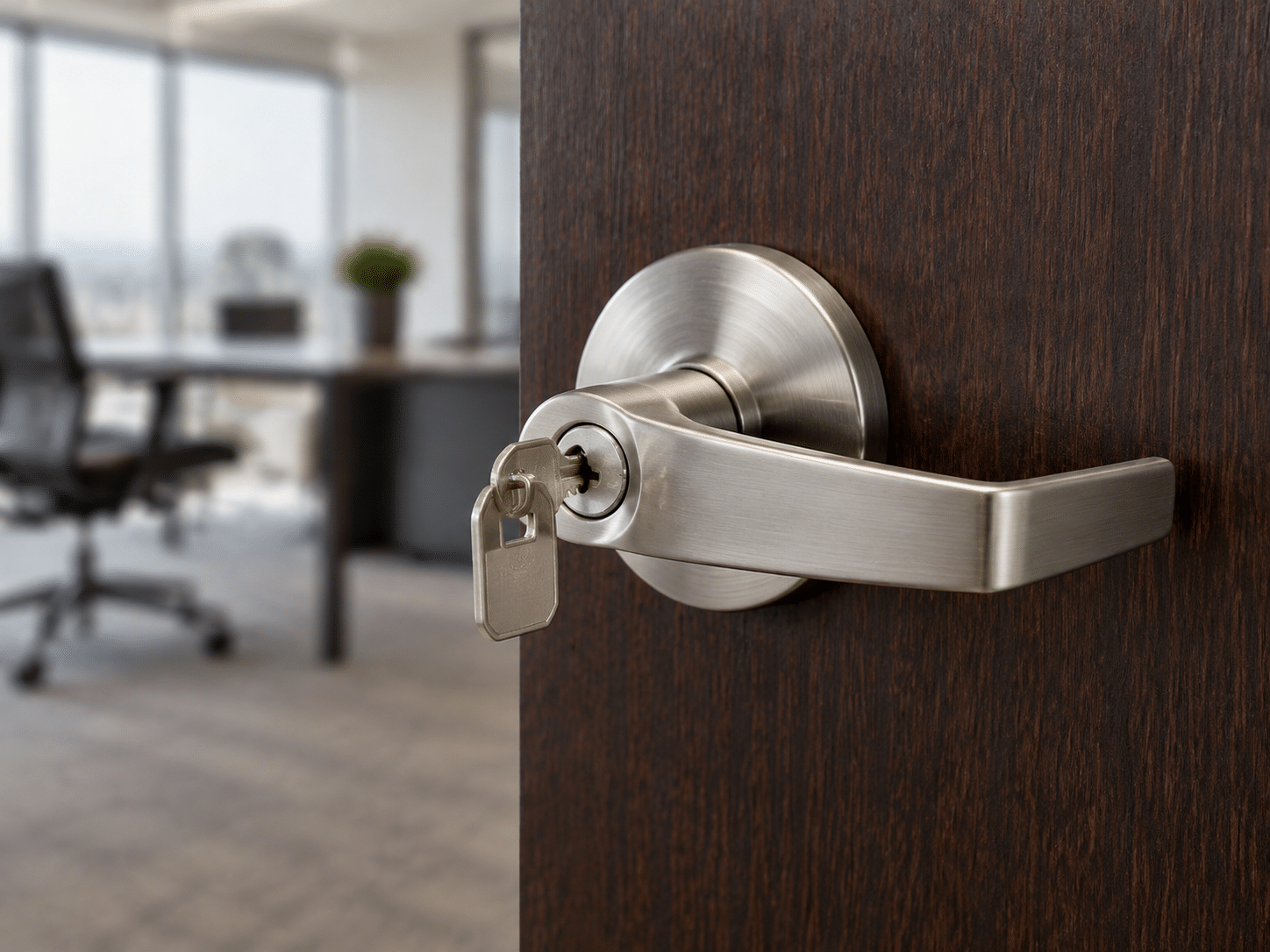
Keeping the system healthy
Locks wear, staff change and tenants come and go. A master key system should be reviewed whenever access needs change: individual doors can be rekeyed inside the existing structure, and the chart updated, without disturbing the rest of the building. That flexibility is the real long-term value of a planned system over a pile of unrelated locks.
Master key systems in Brooklyn and New York City
iLocksmiths has served Brooklyn and New York City for more than 15 years. We design, install and maintain master key systems for commercial buildings, offices, schools, retail properties and managed facilities, along with the full range of commercial locksmith work: lock installation and repair, rekeying, door closers, panic bars and exit devices, and access control. If your property has outgrown its key ring, we can map the building, design the hierarchy and build the system.
Call us at (718) 504-5625 to plan your master key system, or visit ilocksmiths.com to see our commercial locksmith services across Brooklyn and all five boroughs.