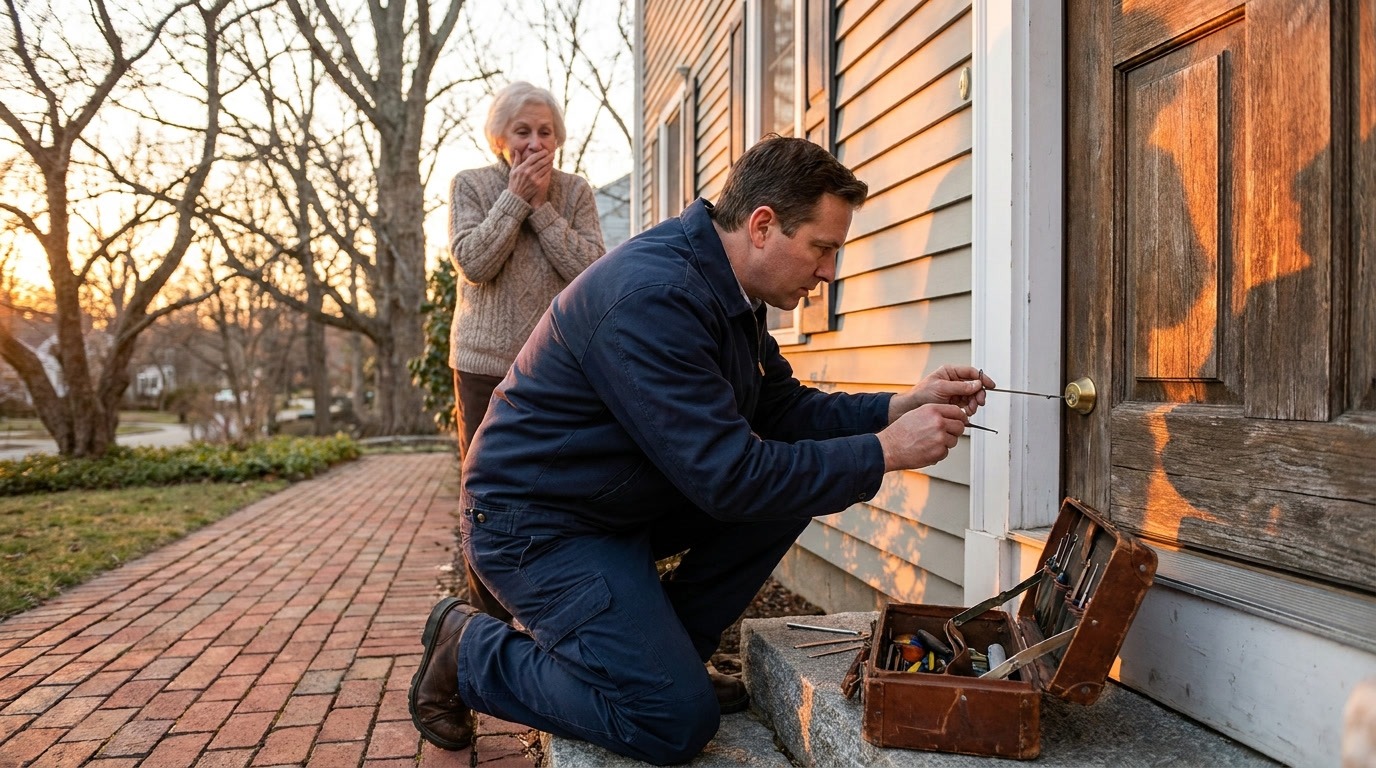
How do you handle a lockout in NYC, especially when it involves an elderly loved one? Navigating the bustling streets of New York City can be challenging enough, but when you find yourself locked out with an elderly family member, the situation can quickly become stressful. Fortunately, iLocksmiths offers reliable 24/7 locksmith services throughout New York City, ensuring that help is always just a phone call away. With over 11 years of experience, iLocksmiths specializes in automotive, residential, and commercial locksmith needs, making them the trusted choice for all your locksmith emergencies.
In the event of a lockout, especially with elderly individuals involved, quick and efficient solutions are crucial. iLocksmiths provides a fast response time, thanks to their network of over 40 technicians located throughout New York City. Their commitment to customer satisfaction ensures that you and your loved ones are back inside safely and swiftly. This article will guide you through the steps to take during such emergencies, offering practical advice and highlighting the importance of having a reliable locksmith service on speed dial.
But there’s more to handling a lockout than just calling a locksmith. Understanding the nuances of dealing with elderly individuals in these situations can make all the difference. So, let’s delve deeper into the strategies and expert tips that will help you manage a lockout with ease and confidence. Stay with us as we explore the essential steps and insights from industry experts on ensuring safety and peace of mind during these unexpected events.
Understanding the Lockout Situation in NYC
In New York City, a lockout occurs when a tenant is unlawfully denied access to their residence. This situation can arise due to disputes with landlords or misunderstandings about lease agreements. Lockouts are illegal in NYC, and tenants have rights that protect them from such actions. According to local laws, landlords cannot change locks or remove tenants without a court order. If a lockout happens, tenants can seek legal assistance to regain access to their homes.
Statistics reveal that lockouts are not uncommon, with a significant number involving elderly residents. This demographic is particularly vulnerable due to potential mobility issues or lack of immediate support. Understanding tenant rights is crucial for preventing and addressing lockouts effectively.
For those facing a lockout, contacting a professional locksmith can be a viable solution. Services like residential locksmith assistance are available to help regain access. Additionally, residents in specific areas such as Midwood or Bay Ridge can find local support. Understanding these aspects ensures that tenants are well-prepared to handle lockouts legally and efficiently.
Legal Rights of Elderly Tenants in NYC
Elderly tenants in New York City enjoy specific legal protections under local housing laws. These laws ensure that landlords cannot evict them without just cause. The NYC Department of Housing Preservation and Development (HPD) plays a crucial role in enforcing these protections. They offer resources and support to help elderly tenants understand their rights. It’s vital for tenants to have a clear lease agreement. This document outlines the terms and conditions of their tenancy. Understanding these terms can prevent disputes and ensure a stable living situation. If you’re facing a lockout, knowing your rights is essential. For assistance, consider reaching out to a residential locksmith. They can help you regain access to your home. Additionally, if you need further guidance, you can contact professionals who specialize in tenant rights. Staying informed and proactive can make a significant difference in maintaining your housing security.
Immediate Steps to Take During a Lockout
First, contact the landlord or property manager immediately. They might have a spare key or a quick solution. If they’re unavailable, document the situation. Take photos or videos of the locked door and surroundings. This documentation can be crucial if you need to involve authorities or legal aid later. Next, consider reaching out to local authorities for assistance, especially if the elderly person is in distress. They can provide guidance or help in gaining access. If the situation escalates, contacting legal aid might be necessary to understand your rights and options. For professional help, consider contacting a residential locksmith to assist with unlocking the door. Additionally, explore the services offered in your area, such as Brooklyn or Queens, to find a nearby locksmith. Taking these steps promptly ensures the safety and well-being of the elderly individual during a lockout.
Contacting Emergency Services and Support Networks
In the event of a lockout involving an elderly individual in NYC, contacting emergency services is crucial. Dial 911 if the situation poses an immediate threat to health or safety. For non-emergencies, reach out to NYC’s 311 service for guidance and assistance. Additionally, several local organizations offer support during such incidents. The New York Foundation for Senior Citizens provides resources and assistance for elderly residents. Another valuable resource is the Department for the Aging, which offers various services tailored to seniors’ needs.
For more specific support, consider contacting elder advocacy groups like LiveOn NY. They can provide advice and assistance tailored to the elderly. It’s also beneficial to have contact information for local locksmith services. For instance, residential locksmiths can offer quick solutions to regain access. Moreover, explore the Brooklyn service area for locksmiths familiar with your neighborhood. By utilizing these resources, you can ensure the safety and well-being of elderly individuals during a lockout.
Legal Recourse and How to File a Complaint
To file a complaint with the NYC Housing Court, start by visiting the court’s website or office to obtain the necessary forms. Ensure you complete these forms accurately, detailing the lockout incident. Next, gather evidence to support your case. This includes photographs, witness statements, and any communication with your landlord. Organize these documents meticulously, as they will be crucial in court.
Once your evidence is ready, submit your complaint to the court. You may need to attend a hearing, so prepare your case thoroughly. Understand the legal arguments and be ready to present your evidence clearly. The court will review your case and determine the appropriate action.
Potential outcomes can vary. The court might order the landlord to allow re-entry or provide compensation for damages. Remedies depend on the specifics of your case. For additional support, consider consulting a residential locksmith to secure your home post-resolution. If you need further assistance, contact professionals through our contact page. Understanding your legal rights and options is crucial in navigating these situations effectively.
Preventative Measures to Avoid Future Lockouts
To prevent future lockouts, elderly tenants should adopt effective key management strategies. Always keep a spare key with a trusted neighbor or family member. Consider using a keychain with a bright, noticeable color to avoid misplacing it. Regular communication with landlords is crucial. This helps to clarify any changes in lock systems and avoid misunderstandings. Additionally, installing smart locks can offer added security and convenience. These devices allow you to unlock doors using a smartphone, reducing the risk of losing physical keys. For more advanced solutions, explore our residential locksmith services. Furthermore, staying informed about the latest security technologies can be beneficial. If you live in Midwood or nearby areas, our team is ready to assist. By taking these preventative measures, elderly tenants can enjoy peace of mind and enhanced security.
Emotional and Psychological Support for the Elderly
Experiencing a lockout can be distressing for anyone, but it can be particularly overwhelming for elderly individuals. The sudden loss of access to their home can trigger feelings of anxiety and helplessness. It’s crucial to address these emotional challenges promptly. Counseling services can provide much-needed support. Organizations in New York City offer specialized psychological assistance tailored to the elderly. These resources can help them navigate the emotional turmoil of a lockout. Additionally, the role of community and family support cannot be overstated. Family members and neighbors should remain vigilant and offer reassurance during such events. A strong support network can significantly alleviate stress and foster a sense of security. For those seeking professional assistance, consider reaching out to a residential locksmith for immediate help. Moreover, visiting the contact page can connect you with experts ready to assist. Remember, a compassionate approach and timely intervention can make a world of difference for our elderly loved ones.
Case Studies and Real-Life Examples
In New York City, elderly residents often face challenging lockout situations. Consider Mrs. Thompson, an 82-year-old living in Park Slope. She found herself locked out after misplacing her keys during a grocery run. Fortunately, a neighbor noticed her distress and contacted a local locksmith. The locksmith arrived promptly, ensuring Mrs. Thompson was safely back inside her home within minutes. This incident highlights the importance of community awareness and quick professional response.
Another case involved Mr. Lee, a senior residing in Queens. He accidentally locked himself out while checking his mail. His family had previously installed a smart lock system, which allowed them to unlock the door remotely. This proactive measure saved time and stress, demonstrating the value of modern security solutions.
These examples underscore the necessity of preparedness and community support. Whether through traditional locksmith services or advanced technology, ensuring elderly residents have access to reliable solutions is crucial. For more information on how to prevent such situations, visit our residential locksmith page.
Frequently Asked Questions (FAQs)
What should I do if my elderly tenant is locked out in NYC?
First, ensure their safety and comfort. Contact a trusted residential locksmith to assist with entry. If the situation is urgent, consider calling emergency services for immediate help.
What legal rights do elderly tenants have during a lockout?
Elderly tenants in NYC have the right to safe and secure housing. Landlords cannot legally lock them out without a court order. If a lockout occurs, tenants should contact local authorities or seek legal assistance.
Who should I contact in case of an emergency lockout?
In an emergency, reach out to a reliable locksmith service. You can also contact local authorities if the situation escalates. For non-emergencies, consider contacting a locksmith for assistance.
How can I prevent future lockouts for elderly tenants?
Install keyless entry systems or provide spare keys to trusted neighbors. Regularly check and maintain locks to ensure they function properly. For more security tips, visit our Brooklyn service area page.
Conclusion and Final Thoughts
Navigating a lockout in NYC, especially with elderly individuals, requires careful planning and awareness. Throughout this article, we have explored essential strategies to manage such situations effectively. Being informed about local resources and having a reliable residential locksmith on speed dial can make all the difference. It’s crucial to stay prepared by keeping spare keys accessible and knowing the contact information of trusted professionals. Additionally, understanding the specific needs of the elderly during a lockout is vital for ensuring their safety and comfort.
Sharing this knowledge with friends and family can help them avoid unnecessary stress. Encourage them to familiarize themselves with the services available in their area, such as those offered by Midwood locksmiths. By spreading awareness, you contribute to a community that is better equipped to handle emergencies. Remember, preparation is key, and staying informed can prevent a minor inconvenience from becoming a major issue. For more information or assistance, don’t hesitate to contact us.