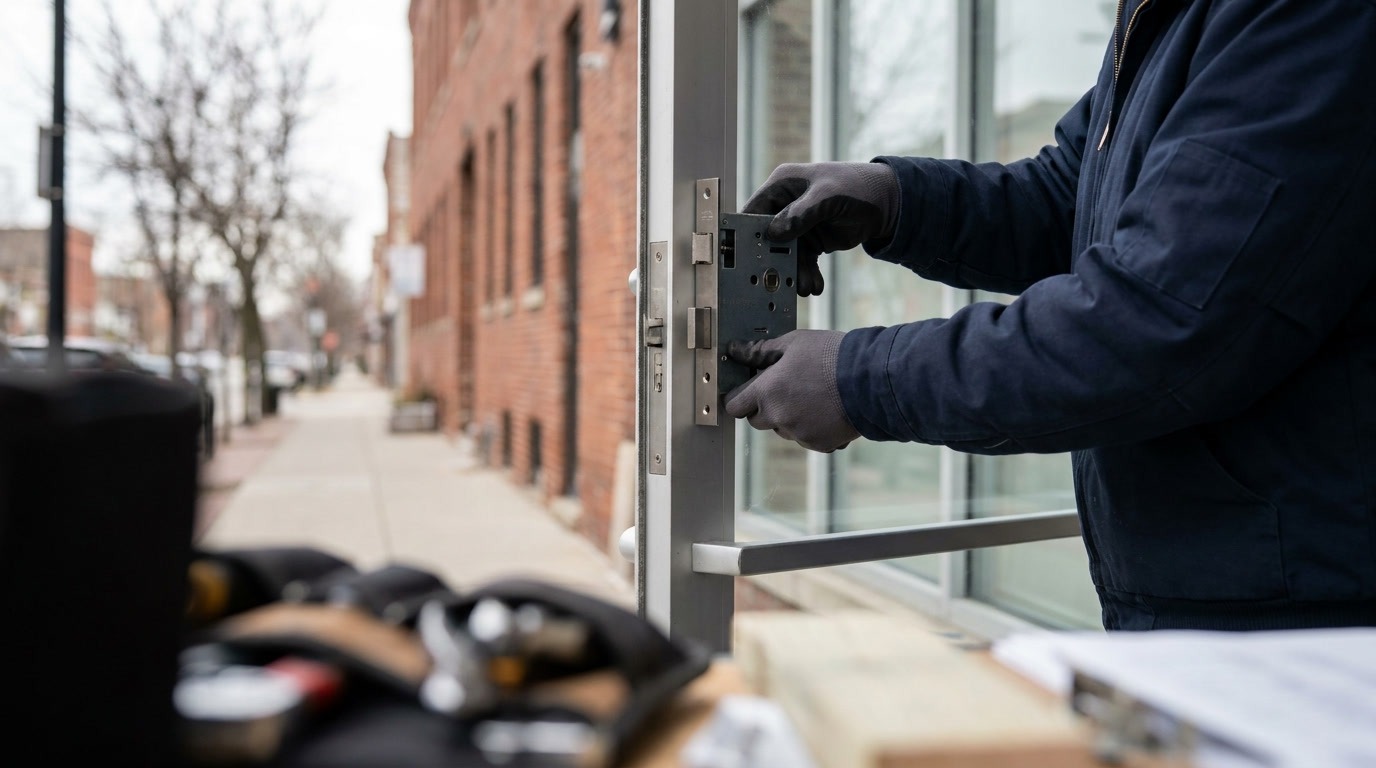
Securing your NYC business after hours is crucial in a city that never sleeps. With the bustling activity of New York City, ensuring the safety of your commercial property during off-hours is a top priority for business owners. iLocksmiths, a trusted provider with over 11 years of experience, offers reliable 24/7 locksmith services tailored to meet the unique needs of businesses in the city. Specializing in commercial locksmith solutions, iLocksmiths understands the importance of protecting your assets and maintaining peace of mind. Our fast response time and commitment to customer satisfaction make us the go-to choice for businesses looking to enhance their security measures. Whether you need to upgrade your locks, install a new security system, or require emergency locksmith services, iLocksmiths is here to help. By implementing effective security strategies, you can safeguard your business from potential threats and ensure its continued success.
Understanding the Importance of After-Hours Security
In the bustling metropolis of New York City, businesses face unique challenges when it comes to security, especially after hours. The city that never sleeps is a hub of activity, but when the sun sets, the dynamics change, and businesses must be vigilant to protect their assets. Understanding the importance of after-hours security is crucial for any business owner looking to safeguard their property, employees, and sensitive information.
After-hours security is not just about locking doors and setting alarms; it’s a comprehensive approach that involves multiple layers of protection. The primary goal is to deter potential threats and ensure that any incidents are quickly identified and addressed. This is particularly important in NYC, where the density of businesses and the high volume of foot traffic can make establishments more vulnerable to crime.
One of the key reasons after-hours security is so vital is the increased risk of burglary and vandalism during these times. According to the New York Police Department, commercial burglaries tend to spike during late-night hours when businesses are closed, and streets are less crowded. This makes it imperative for business owners to implement robust security measures that can deter criminals and protect their premises.
Moreover, after-hours security is essential for protecting sensitive data and intellectual property. Many businesses store valuable information on-site, and a breach could have devastating consequences. Implementing advanced security systems, such as surveillance cameras and access control systems, can help monitor and restrict unauthorized access to critical areas. For businesses in NYC, where competition is fierce, safeguarding proprietary information is not just a security measure but a strategic business decision.
Another critical aspect of after-hours security is employee safety. While most employees leave the premises at the end of the workday, some may need to stay late or come in early. Ensuring their safety is paramount, and this can be achieved by providing secure entry and exit points, adequate lighting, and emergency protocols. A well-lit exterior and interior can deter potential intruders and provide employees with a sense of security.
Investing in professional security services can also enhance after-hours security. Hiring a reputable commercial locksmith can ensure that all locks and security systems are up to date and functioning correctly. Regular maintenance and upgrades are necessary to keep up with evolving security threats. Additionally, having a reliable security company on call can provide peace of mind, knowing that experts are available to respond to any incidents promptly.
Technology plays a significant role in modern security strategies. The integration of smart security systems allows business owners to monitor their premises remotely. With the use of security cameras, motion detectors, and alarm systems, businesses can have real-time insights into their property’s status. These systems can be customized to send alerts to the owner’s smartphone or a security company, ensuring a rapid response to any suspicious activity.
Furthermore, businesses should consider conducting regular security audits to identify potential vulnerabilities. These audits can highlight areas that need improvement and help in developing a comprehensive security plan. Engaging with a professional security consultant can provide valuable insights and recommendations tailored to the specific needs of the business.
In addition to technological solutions, fostering a culture of security awareness among employees is crucial. Training staff on security protocols and encouraging them to report any suspicious activity can significantly enhance the overall security posture of the business. Employees are often the first line of defense, and their vigilance can prevent potential security breaches.
For businesses located in specific areas of NYC, such as Brooklyn or Queens, understanding the local crime trends and working with community organizations can also be beneficial. Engaging with local law enforcement and participating in neighborhood watch programs can provide additional layers of security and foster a sense of community vigilance.
In conclusion, after-hours security is a critical component of any business’s overall security strategy. By understanding its importance and implementing a multi-faceted approach, business owners can protect their assets, employees, and sensitive information. In a city as dynamic as New York, staying ahead of potential threats requires a proactive and comprehensive security plan. Investing in the right security measures not only safeguards the business but also contributes to its long-term success and reputation.
Assessing Your Business’s Vulnerabilities
To effectively secure your NYC business after hours, it is crucial to begin by assessing your business’s vulnerabilities. This process involves a comprehensive evaluation of potential security weaknesses that could be exploited by intruders or result in unauthorized access. Start by conducting a thorough inspection of your premises, paying close attention to entry points such as doors, windows, and any other access points. Ensure that all locks are functioning properly and consider upgrading to high-security locks if necessary. Engaging a professional commercial locksmith can provide valuable insights into the latest security technologies and help identify areas that require reinforcement.
Next, evaluate the lighting around your business. Adequate lighting is a simple yet effective deterrent against criminal activity. Ensure that all exterior areas, including parking lots and alleyways, are well-lit. Motion-activated lights can be particularly useful in alerting you to any unusual activity after hours. Additionally, consider installing security cameras to monitor and record activities around your business premises. Modern security systems offer remote access, allowing you to keep an eye on your business from anywhere at any time.
Another critical aspect of assessing vulnerabilities is reviewing your current security policies and procedures. Ensure that all employees are trained on security protocols and understand the importance of maintaining a secure environment. Implement a system for tracking keys and access cards to prevent unauthorized duplication or loss. Regularly update your security codes and passwords to protect against cyber threats, which are increasingly becoming a concern for businesses of all sizes.
Consider the location of your business and any unique risks it may pose. For instance, businesses located in high-traffic areas or those that handle valuable merchandise may require additional security measures. If your business is situated in a specific neighborhood, such as Midwood or Bay Ridge, understanding the local crime trends can help tailor your security strategy to address specific threats.
Finally, it is essential to regularly review and update your security measures. As technology evolves, so do the methods used by criminals. Staying informed about the latest security advancements and potential threats will help you maintain a robust security posture. Regular audits and consultations with security professionals can ensure that your business remains protected against both physical and digital threats. By taking a proactive approach to assessing and addressing vulnerabilities, you can significantly enhance the security of your NYC business after hours.
Implementing Advanced Surveillance Systems
In the bustling metropolis of New York City, securing your business after hours is a critical concern. Implementing advanced surveillance systems is an essential strategy to ensure the safety and security of your premises. These systems not only deter potential intruders but also provide valuable insights and evidence in the event of an incident. With the rapid advancements in technology, modern surveillance systems offer a range of features that can be tailored to meet the specific needs of your business.
One of the primary benefits of advanced surveillance systems is their ability to provide real-time monitoring. This feature allows business owners and security personnel to keep an eye on the premises from anywhere in the world, using a smartphone or computer. This level of accessibility ensures that you are always connected to your business, even when you are not physically present. Additionally, many systems offer motion detection and instant alerts, notifying you immediately if any unusual activity is detected. This proactive approach enables swift action, potentially preventing a security breach before it occurs.
High-definition cameras are another crucial component of modern surveillance systems. These cameras capture clear and detailed images, making it easier to identify individuals and activities. This clarity is invaluable in the event of a security incident, providing law enforcement with the evidence needed to apprehend suspects. Furthermore, many systems offer night vision capabilities, ensuring that your business is protected around the clock, regardless of lighting conditions.
Integration with other security measures is another advantage of advanced surveillance systems. For instance, they can be linked with access control systems, allowing you to monitor who enters and exits your premises. This integration provides a comprehensive view of your business’s security landscape, enabling you to identify potential vulnerabilities and address them promptly. Additionally, some systems offer facial recognition technology, which can be used to grant or deny access to specific areas, further enhancing security.
Cloud storage is an increasingly popular feature in surveillance systems, offering a secure and convenient way to store footage. By storing data in the cloud, you eliminate the risk of losing valuable evidence due to hardware failure or theft. Cloud storage also allows for easy retrieval and sharing of footage, which can be crucial in the aftermath of a security incident. Moreover, many providers offer scalable storage solutions, ensuring that you only pay for the storage you need.
When implementing an advanced surveillance system, it is essential to consider the layout and specific needs of your business. Conducting a thorough assessment of your premises will help you determine the optimal placement of cameras and other equipment. This assessment should take into account high-traffic areas, potential entry points, and any existing security measures. Consulting with a professional security provider can also be beneficial, as they can offer expert advice and recommendations tailored to your business.
In addition to the technical aspects, it is important to consider the legal implications of installing surveillance systems. In New York City, there are specific regulations regarding the use of surveillance cameras, particularly concerning privacy and data protection. Ensuring compliance with these regulations is crucial to avoid potential legal issues. Consulting with a legal expert or a reputable security provider can help you navigate these complexities and ensure that your surveillance system is both effective and compliant.
Implementing advanced surveillance systems is a proactive step towards securing your NYC business after hours. By leveraging the latest technology, you can enhance the safety of your premises, protect your assets, and gain peace of mind. Whether you are a small business owner or manage a large corporation, investing in a robust surveillance system is a wise decision that can pay dividends in the long run. For more information on how to enhance your business security, consider reaching out to a commercial locksmith or explore the range of security cameras available to suit your needs.
Enhancing Physical Security Measures
Securing your NYC business after hours is a critical aspect of protecting your assets, employees, and customers. Enhancing physical security measures is a fundamental step in this process. In a bustling city like New York, businesses face unique challenges when it comes to security. The high population density, diverse neighborhoods, and constant activity make it essential to implement robust security strategies. One of the most effective ways to enhance physical security is by installing high-quality locks and access control systems. These systems not only deter unauthorized entry but also provide a record of who enters and exits your premises. For businesses in areas like Brooklyn, partnering with a reliable commercial locksmith can ensure that your locks are up to date and meet the latest security standards.
In addition to locks, consider integrating advanced surveillance systems. Security cameras are a powerful tool for monitoring your business premises, both during and after business hours. They act as a deterrent to potential intruders and provide valuable evidence in the event of a security breach. Modern security cameras offer features such as high-definition video, night vision, and remote access, allowing you to monitor your business from anywhere. For businesses in high-traffic areas like Manhattan, investing in a comprehensive security camera system can significantly enhance your security posture.
Another critical aspect of physical security is the strategic placement of lighting around your business premises. Well-lit areas are less attractive to criminals, as they increase the risk of being seen. Ensure that all entry points, parking lots, and pathways are adequately illuminated. Motion-activated lights can be particularly effective, as they draw attention to any movement around your property. Additionally, consider reinforcing windows and doors with security film or bars to prevent break-ins. For businesses in neighborhoods like Queens, consulting with a local security expert can provide tailored solutions that address specific vulnerabilities.
Furthermore, implementing a security policy and training your staff on security protocols is essential. Employees should be aware of how to respond to security incidents and understand the importance of reporting suspicious activity. Regular security audits can help identify potential weaknesses in your current setup and provide opportunities for improvement. For businesses in areas such as the Bronx, working with a professional security consultant can offer valuable insights into enhancing your physical security measures.
In conclusion, enhancing physical security measures is a multifaceted approach that involves upgrading locks, installing surveillance systems, improving lighting, and training staff. By taking these steps, you can significantly reduce the risk of security breaches and ensure the safety of your business after hours. For comprehensive security solutions, consider reaching out to a trusted security provider who can tailor their services to meet the unique needs of your NYC business.
Utilizing Smart Locks and Access Control
In the bustling environment of New York City, securing your business after hours is paramount. One of the most effective ways to enhance security is by utilizing smart locks and access control systems. These advanced technologies not only provide robust security but also offer convenience and flexibility, which are essential for modern businesses. Smart locks are designed to replace traditional keys with digital solutions, allowing business owners to control access remotely. This means you can lock or unlock doors from anywhere using a smartphone app, providing peace of mind even when you are not on the premises. Moreover, smart locks can be integrated with other security systems, such as alarms and security cameras, to create a comprehensive security network.
Access control systems take security a step further by allowing you to manage who can enter specific areas of your business. These systems can be customized to grant access based on roles, times, or even specific days, ensuring that only authorized personnel can enter sensitive areas. This is particularly useful for businesses with multiple employees or those that handle sensitive information. By implementing access control, you can easily track who enters and exits your premises, providing valuable data in case of a security breach. Additionally, these systems can be integrated with existing security infrastructure, enhancing overall protection.
For businesses in NYC, where security threats can be more prevalent, investing in smart locks and access control systems is a wise decision. Not only do they offer enhanced security, but they also streamline operations by eliminating the need for physical keys, which can be lost or duplicated. Furthermore, these systems can be easily updated or reconfigured as your business grows or changes, providing a scalable solution that adapts to your needs.
If you are considering upgrading your business security, consulting with a professional commercial locksmith can provide valuable insights into the best solutions for your specific requirements. They can assess your current security setup and recommend the most suitable smart lock and access control systems. For businesses located in areas like Midwood or other parts of Brooklyn, local locksmith services can offer tailored solutions that consider the unique security challenges of your neighborhood.
In conclusion, utilizing smart locks and access control systems is an effective strategy for securing your NYC business after hours. These technologies provide a high level of security, convenience, and flexibility, making them an ideal choice for modern businesses. By integrating these systems with your existing security measures, you can create a robust defense against unauthorized access and ensure the safety of your assets and personnel.
Securing Digital Assets and Data
In today’s digital age, securing digital assets and data is paramount for any business, especially in a bustling metropolis like New York City. As businesses close their doors after hours, the digital realm remains vulnerable to threats that can compromise sensitive information and disrupt operations. To safeguard your NYC business, it’s essential to implement robust cybersecurity measures that protect against unauthorized access, data breaches, and other cyber threats.
Firstly, ensure that all digital devices, including computers, servers, and mobile devices, are equipped with up-to-date antivirus software and firewalls. These tools act as the first line of defense against malware and other malicious attacks. Regularly updating software and operating systems is crucial, as updates often contain patches for security vulnerabilities that could be exploited by cybercriminals.
Another critical step is to implement strong password policies. Encourage employees to create complex passwords that combine letters, numbers, and symbols, and to change them regularly. Consider using password management tools to securely store and manage passwords. Additionally, enable two-factor authentication (2FA) wherever possible. 2FA adds an extra layer of security by requiring a second form of verification, such as a text message or authentication app, before granting access to accounts.
Data encryption is another vital component of digital security. Encrypt sensitive data both in transit and at rest to ensure that even if data is intercepted or accessed without authorization, it remains unreadable and unusable. This is particularly important for businesses that handle customer information, financial records, or proprietary data.
Regular data backups are essential to protect against data loss due to cyberattacks, hardware failures, or natural disasters. Implement a comprehensive backup strategy that includes both on-site and off-site backups. Cloud-based backup solutions can provide an additional layer of security and ensure that data can be quickly restored in the event of an incident.
Employee training is also a key factor in securing digital assets. Conduct regular cybersecurity training sessions to educate employees about the latest threats and best practices for protecting sensitive information. Employees should be aware of phishing scams, social engineering tactics, and other common cyber threats. By fostering a culture of security awareness, businesses can reduce the risk of human error leading to a security breach.
For businesses with a physical presence, integrating digital security with physical security measures can provide comprehensive protection. Consider installing security cameras to monitor access points and deter unauthorized entry. These cameras can be integrated with digital systems to provide real-time alerts and remote monitoring capabilities.
Finally, consider partnering with a professional cybersecurity firm or consultant to conduct regular security audits and assessments. These experts can identify vulnerabilities, recommend improvements, and help develop a tailored security strategy that meets the specific needs of your business. For businesses in New York City, local resources such as Brooklyn or Queens locksmith services can also provide valuable support in securing both digital and physical assets.
By taking these proactive steps, NYC businesses can significantly enhance their digital security posture and protect their valuable assets and data from potential threats.
Establishing a Robust Alarm System
In the bustling environment of New York City, securing your business after hours is paramount to safeguarding your assets and ensuring peace of mind. Establishing a robust alarm system is a critical component of any comprehensive security strategy. An effective alarm system not only deters potential intruders but also provides real-time alerts and responses to any unauthorized access attempts. When considering the installation of an alarm system, it is essential to evaluate the specific needs of your business, the layout of your premises, and the level of protection required.
A robust alarm system should integrate multiple layers of security features, including motion detectors, door and window sensors, glass break detectors, and surveillance cameras. These components work together to create a comprehensive security network that monitors all entry points and vulnerable areas of your business premises. Motion detectors are particularly effective in detecting unauthorized movement within the building, while door and window sensors alert you to any attempts to breach these access points. Glass break detectors add an additional layer of security by identifying the sound frequency of breaking glass, which is a common method used by intruders to gain entry.
In addition to these physical components, modern alarm systems often include advanced technological features such as remote monitoring and mobile alerts. This allows business owners to monitor their premises in real-time from anywhere in the world, providing an added layer of convenience and control. By receiving instant notifications on your smartphone or computer, you can quickly assess the situation and take appropriate action, whether that involves contacting law enforcement or dispatching a security team to the location.
When selecting an alarm system, it is crucial to choose a reputable provider with a proven track record of reliability and customer satisfaction. Professional installation is also recommended to ensure that all components are correctly configured and optimized for maximum effectiveness. Regular maintenance and testing of the system are essential to ensure that it remains fully operational and responsive to any potential threats.
For businesses located in specific areas of New York City, such as Brooklyn, it is beneficial to work with local security experts who understand the unique challenges and risks associated with the area. For instance, businesses in Midwood or Bay Ridge can benefit from tailored security solutions that address the specific needs of these neighborhoods. Local security providers can offer valuable insights and recommendations based on their experience and knowledge of the area.
In conclusion, establishing a robust alarm system is a vital step in securing your NYC business after hours. By integrating multiple security features and leveraging advanced technology, you can create a comprehensive security network that deters intruders and provides real-time alerts and responses. Working with a reputable provider and ensuring professional installation and maintenance will further enhance the effectiveness of your alarm system, giving you the confidence and peace of mind to focus on growing your business. For more information on securing your business, consider reaching out to a commercial locksmith who can provide expert advice and solutions tailored to your specific needs.
Training Employees on Security Protocols
Training employees on security protocols is a critical component of safeguarding your NYC business after hours. In a bustling city like New York, where businesses are constantly at risk of theft, vandalism, and other security threats, ensuring that your staff is well-versed in security measures is essential. Employees are often the first line of defense against potential security breaches, and their actions can significantly impact the safety and security of your business premises.
To begin with, it is important to establish a comprehensive security training program that is tailored to the specific needs of your business. This program should cover a wide range of topics, including how to recognize suspicious behavior, the proper use of security equipment, and the procedures to follow in the event of a security breach. Training should be ongoing, with regular updates to address new threats and technologies. Employees should be encouraged to stay vigilant and report any unusual activities immediately.
One of the key aspects of training is familiarizing employees with the security systems in place at your business. This includes understanding how to operate alarm systems, surveillance cameras, and access control systems. Employees should know how to arm and disarm alarms, as well as how to review footage from security cameras. Additionally, they should be trained on the importance of keeping security codes and passwords confidential to prevent unauthorized access.
Another crucial element of employee training is educating them about the importance of physical security measures. This includes ensuring that all doors and windows are locked before leaving the premises and understanding the role of commercial locksmith services in maintaining secure locks and entry points. Employees should also be aware of the procedures for handling keys and access cards, including the process for reporting lost or stolen items.
Communication is a vital component of any security protocol. Employees should know how to effectively communicate with each other and with management in the event of a security incident. This includes knowing who to contact and how to provide accurate and timely information. Establishing clear lines of communication can help ensure a swift response to any security threats.
In addition to formal training sessions, it is beneficial to conduct regular security drills to test employees’ knowledge and preparedness. These drills can simulate various scenarios, such as a break-in or an emergency evacuation, allowing employees to practice their response and identify areas for improvement. Feedback from these drills can be used to refine training programs and enhance overall security measures.
Furthermore, fostering a culture of security awareness within your business can have a significant impact on employee engagement and vigilance. Encourage employees to take ownership of security by involving them in the development and implementation of security protocols. This can include soliciting their input on potential security risks and solutions, as well as recognizing and rewarding employees who demonstrate exceptional security practices.
Finally, it is important to stay informed about the latest security trends and technologies. This can involve attending industry conferences, subscribing to security publications, and networking with other business owners and security professionals. By staying up-to-date, you can ensure that your training programs and security measures remain effective and relevant.
In conclusion, training employees on security protocols is a vital step in securing your NYC business after hours. By providing comprehensive training, fostering a culture of security awareness, and staying informed about the latest trends, you can empower your employees to play an active role in protecting your business. For more information on enhancing your business security, consider reaching out to a professional locksmith service for expert advice and support.
Collaborating with Local Law Enforcement
Securing your NYC business after hours requires a multifaceted approach, and one of the most effective strategies is collaborating with local law enforcement. Establishing a strong relationship with the police can significantly enhance the security of your business premises. Local law enforcement agencies are not only a deterrent to criminal activities but also a valuable resource for crime prevention strategies and emergency response. By working closely with them, you can gain insights into the specific security challenges in your area and develop tailored solutions to address them.
Start by reaching out to your local precinct to introduce yourself and your business. This initial contact is crucial in building rapport and ensuring that the officers are familiar with your business location and its unique security needs. You can invite them to visit your premises, which provides an opportunity for them to offer specific advice on how to enhance your security measures. They can help identify potential vulnerabilities and suggest improvements, such as upgrading locks or installing security cameras.
Participating in community policing initiatives is another excellent way to collaborate with law enforcement. These programs often involve regular meetings where business owners and police officers discuss local crime trends and share information. By attending these meetings, you can stay informed about recent incidents in your area and learn about effective crime prevention strategies. Moreover, these interactions foster a sense of community and mutual support, which can be invaluable in times of crisis.
In addition to these proactive measures, ensure that your business is equipped with reliable security systems. This includes having high-quality locks and alarm systems that are regularly maintained. Consider consulting with a commercial locksmith to assess your current security setup and recommend upgrades if necessary. A well-secured business not only deters potential criminals but also provides peace of mind to both you and your employees.
Furthermore, establish clear communication channels with local law enforcement. Ensure that they have up-to-date contact information for your business, including emergency contacts. This will enable them to reach you promptly if any suspicious activity is detected near your premises. Additionally, consider setting up a neighborhood watch program in collaboration with other local businesses. This collective effort can enhance security for the entire community and create a safer environment for everyone.
Finally, take advantage of any training programs offered by the police department. These programs can educate you and your staff on how to respond effectively in emergency situations, such as break-ins or robberies. By being prepared and knowing how to act swiftly, you can minimize potential losses and ensure the safety of everyone involved.
In conclusion, collaborating with local law enforcement is a vital component of securing your NYC business after hours. By building strong relationships with the police, participating in community initiatives, and maintaining robust security systems, you can protect your business from potential threats. For more information on enhancing your business security, consider reaching out to a professional locksmith service in your area, such as those available in Brooklyn or other parts of New York City.
Conducting Regular Security Audits
In the bustling environment of New York City, ensuring the security of your business after hours is paramount. One of the most effective strategies to safeguard your premises is conducting regular security audits. These audits are essential for identifying vulnerabilities, assessing the effectiveness of current security measures, and implementing necessary improvements. By systematically evaluating your security protocols, you can protect your assets, employees, and customers, thereby maintaining the integrity of your business.
A comprehensive security audit involves a detailed examination of both physical and digital security measures. Start by assessing the physical security of your premises. This includes checking the condition and functionality of locks, doors, windows, and other entry points. Ensure that all locks are robust and in good working order. Consider consulting with a professional commercial locksmith to evaluate and upgrade your locking systems if necessary. Additionally, inspect your surveillance systems, such as security cameras, to ensure they are operational and positioned correctly to cover all critical areas. If you do not have a surveillance system in place, it might be time to invest in one. A reliable security camera system can act as a deterrent to potential intruders and provide valuable evidence in the event of a security breach.
Next, evaluate your digital security measures. In today’s digital age, cyber threats are as significant as physical ones. Ensure that your network is secure, with firewalls and antivirus software up to date. Regularly update passwords and use multi-factor authentication to protect sensitive information. Conducting penetration tests can help identify vulnerabilities in your digital infrastructure. These tests simulate cyber-attacks to evaluate the effectiveness of your security measures and identify areas for improvement.
Employee training is another critical component of a security audit. Your staff should be well-informed about security protocols and aware of potential threats. Regular training sessions can help employees recognize suspicious activities and understand the procedures to follow in case of an emergency. Encourage a culture of security awareness where employees feel responsible for the safety of the workplace.
Furthermore, review your security policies and procedures regularly. Ensure they are up to date and reflect the current security landscape. Policies should cover various scenarios, including unauthorized access, data breaches, and emergency response procedures. Having a clear and concise security policy helps in maintaining consistency in how security issues are handled.
It is also important to assess the external environment of your business. Evaluate the lighting around your premises, as well-lit areas can deter criminal activities. Trim any overgrown vegetation that could provide cover for intruders. Additionally, consider the location of your business and any specific risks associated with it. For instance, businesses located in high-crime areas may require more stringent security measures.
Regular security audits should be scheduled at least annually, but more frequent audits may be necessary depending on the nature of your business and its location. Document the findings of each audit and track the progress of any improvements made. This documentation can serve as a valuable resource for future audits and help demonstrate your commitment to security to stakeholders.
In conclusion, conducting regular security audits is a proactive approach to safeguarding your NYC business after hours. By thoroughly evaluating and enhancing your security measures, you can protect your business from potential threats and ensure peace of mind. For businesses in specific areas like Midwood or other parts of Brooklyn, tailored security solutions may be necessary to address unique challenges. Investing in regular security audits is not just about preventing losses; it is about creating a secure environment where your business can thrive.
Leveraging Technology for Remote Monitoring
In the bustling environment of New York City, securing your business after hours is a critical concern for any business owner. Leveraging technology for remote monitoring has become an indispensable strategy to ensure the safety and security of your premises. With advancements in technology, business owners can now monitor their properties from anywhere in the world, providing peace of mind and enhancing overall security measures.
Remote monitoring technology offers a comprehensive solution that integrates various security systems into a cohesive network. This includes surveillance cameras, motion detectors, and alarm systems, all of which can be accessed and controlled remotely. By installing high-quality security cameras, you can keep a vigilant eye on your business premises 24/7. These cameras can be strategically placed to cover all critical areas, ensuring that every corner of your property is under surveillance. Modern security cameras come equipped with features like night vision, high-definition video, and wide-angle lenses, which enhance their effectiveness in capturing clear images and videos even in low-light conditions.
Moreover, integrating motion detectors with your security system can significantly enhance your ability to detect unauthorized access. These detectors can trigger alerts whenever movement is detected in restricted areas, allowing you to respond promptly to potential threats. The alerts can be sent directly to your smartphone or computer, enabling you to take immediate action, whether it’s contacting the authorities or remotely activating other security measures.
Alarm systems are another crucial component of remote monitoring technology. They serve as a deterrent to potential intruders and provide an immediate alert in case of a security breach. Modern alarm systems can be customized to suit the specific needs of your business, whether it’s a small retail store or a large office complex. By integrating these alarms with your remote monitoring system, you can ensure that any breach is immediately reported, allowing for a swift response.
One of the significant advantages of leveraging technology for remote monitoring is the ability to access real-time data and analytics. This data can provide valuable insights into the security status of your business, helping you identify patterns and potential vulnerabilities. By analyzing this data, you can make informed decisions about enhancing your security measures, such as adjusting camera angles, adding more sensors, or upgrading your alarm systems.
Furthermore, remote monitoring technology can be seamlessly integrated with other smart technologies to create a comprehensive security ecosystem. For instance, smart locks can be installed to control access to your premises, allowing you to lock and unlock doors remotely. This is particularly useful for businesses with multiple locations or for those that require flexible access control. By integrating smart locks with your remote monitoring system, you can ensure that only authorized personnel have access to your business, reducing the risk of unauthorized entry.
For businesses located in specific areas of New York City, such as Midwood or Bay Ridge, it’s essential to consider the unique security challenges these neighborhoods may present. Local crime rates, the layout of the area, and the type of business you operate can all influence the security measures you need to implement. By working with a professional security provider familiar with the local landscape, you can tailor your remote monitoring system to address these specific challenges effectively.
In conclusion, leveraging technology for remote monitoring is a powerful strategy for securing your NYC business after hours. By integrating advanced security cameras, motion detectors, and alarm systems into a cohesive network, you can monitor your premises in real-time, respond promptly to potential threats, and gain valuable insights into your security status. Whether you operate in a bustling area like Brooklyn or a quieter neighborhood, remote monitoring technology provides the flexibility and control you need to protect your business effectively. By staying informed about the latest advancements in security technology and working with experienced professionals, you can ensure that your business remains safe and secure, no matter where you are.
Developing an Emergency Response Plan
In the bustling environment of New York City, securing your business after hours is crucial to safeguarding your assets and ensuring the continuity of your operations. One of the most vital components of this security strategy is developing a comprehensive emergency response plan. This plan acts as a blueprint for action in the event of unforeseen incidents, such as break-ins, fires, or natural disasters, and is essential for minimizing damage and ensuring the safety of your employees and property.
To begin crafting an effective emergency response plan, it is important to conduct a thorough risk assessment of your business premises. This involves identifying potential threats and vulnerabilities specific to your location and industry. For instance, businesses situated in areas with high crime rates may prioritize security measures against theft, while those in flood-prone zones might focus on water damage prevention. Engaging with a professional security consultant or a commercial locksmith can provide valuable insights into the specific risks your business faces and the best practices to mitigate them.
Once the risks are identified, the next step is to establish clear protocols and procedures for various emergency scenarios. This includes defining roles and responsibilities for your staff during an emergency, ensuring that everyone knows who to contact and what actions to take. Regular training sessions and drills are essential to familiarize employees with these procedures, ensuring they can respond swiftly and effectively when needed. Additionally, maintaining an up-to-date contact list of emergency services, such as the local police, fire department, and medical facilities, is crucial for quick communication during a crisis.
Incorporating technology into your emergency response plan can significantly enhance its effectiveness. Installing security cameras and alarm systems can provide real-time monitoring and alerts, enabling you to respond promptly to any suspicious activity. These systems can also serve as valuable evidence in the aftermath of an incident, aiding law enforcement in their investigations. Moreover, consider implementing a mass notification system to quickly disseminate information to employees and stakeholders during an emergency.
Another critical aspect of your emergency response plan is establishing a clear evacuation strategy. This involves mapping out safe exit routes and assembly points, ensuring they are clearly marked and accessible to all employees, including those with disabilities. Regularly reviewing and updating these plans is essential, especially if there are changes to the building layout or occupancy levels. Additionally, consider collaborating with neighboring businesses to coordinate evacuation efforts and share resources during large-scale emergencies.
Communication is key during any emergency, and having a robust communication plan in place is vital. This includes designating a spokesperson to handle media inquiries and keeping stakeholders informed about the situation and any impact on business operations. Utilizing multiple communication channels, such as email, text messages, and social media, can help ensure that information reaches all relevant parties promptly.
Finally, it is important to review and revise your emergency response plan regularly. As your business evolves and external threats change, your plan should adapt accordingly. Conducting periodic audits and seeking feedback from employees can help identify areas for improvement and ensure the plan remains effective. Additionally, staying informed about new security technologies and industry best practices can provide opportunities to enhance your emergency response capabilities.
In conclusion, developing a comprehensive emergency response plan is a critical component of securing your NYC business after hours. By conducting a thorough risk assessment, establishing clear protocols, incorporating technology, and maintaining effective communication, you can protect your assets and ensure the safety of your employees. For businesses in specific areas like Midwood or Greenpoint, tailoring your plan to address local risks and collaborating with nearby businesses can further enhance your preparedness and resilience.
Insuring Your Business Against Theft and Damage
In the bustling environment of New York City, securing your business after hours is crucial to safeguarding your assets and ensuring peace of mind. One of the most effective ways to protect your business is by insuring it against theft and damage. Business insurance acts as a safety net, providing financial protection and support in the event of unforeseen incidents. It is essential to understand the types of insurance available and how they can be tailored to meet the specific needs of your business.
Commercial property insurance is a fundamental component of any business insurance policy. It covers the physical assets of your business, including the building, equipment, inventory, and furniture, against risks such as theft, fire, vandalism, and certain natural disasters. This type of insurance ensures that if your business premises are damaged or your assets are stolen, you will receive compensation to repair or replace them, minimizing the financial impact on your operations.
Another critical aspect of business insurance is liability coverage. General liability insurance protects your business from claims of bodily injury, property damage, and personal injury that may occur on your premises or as a result of your business operations. This coverage is vital in a city like New York, where the risk of accidents and lawsuits is relatively high. By having liability insurance, you can safeguard your business from potentially devastating legal costs and settlements.
For businesses that rely heavily on digital operations, cyber liability insurance is becoming increasingly important. This type of insurance protects your business from the financial repercussions of data breaches, cyberattacks, and other digital threats. With the rise of e-commerce and online transactions, ensuring your business against cyber risks is crucial to maintaining customer trust and avoiding significant financial losses.
In addition to these standard insurance policies, businesses in New York City should consider specialized coverage options tailored to their specific industry and location. For example, if your business is located in an area prone to flooding, you may need to invest in flood insurance. Similarly, if you operate a restaurant or bar, liquor liability insurance is essential to protect against claims related to alcohol-related incidents.
To ensure comprehensive protection, it is advisable to work with an experienced insurance broker who can assess your business’s unique risks and recommend appropriate coverage. They can help you navigate the complexities of insurance policies and ensure that you have adequate protection in place.
While insurance is a critical component of securing your business, it should be complemented by robust physical security measures. Installing security cameras and alarm systems can deter potential thieves and provide valuable evidence in the event of a break-in. Additionally, working with a reliable commercial locksmith to install high-quality locks and access control systems can further enhance the security of your premises.
In conclusion, insuring your business against theft and damage is a vital step in securing your NYC business after hours. By investing in comprehensive insurance coverage and implementing effective security measures, you can protect your assets, minimize financial risks, and ensure the continuity of your operations. Remember, the right insurance policy not only provides financial protection but also offers peace of mind, allowing you to focus on growing your business in the vibrant and dynamic environment of New York City.
Staying Updated on Security Trends and Innovations
In the ever-evolving landscape of business security, staying informed about the latest trends and innovations is crucial for safeguarding your NYC business after hours. As technology advances, so do the methods employed by those with malicious intent. Therefore, it is imperative for business owners to remain vigilant and proactive in adopting new security measures. One of the most significant trends in security is the integration of smart technology. Smart locks, surveillance systems, and alarm systems that can be monitored and controlled remotely via smartphones or computers are becoming increasingly popular. These technologies not only provide enhanced security but also offer convenience and peace of mind. For instance, smart locks can be programmed to allow access to specific individuals at certain times, reducing the risk of unauthorized entry. Additionally, advancements in security cameras now offer high-definition video, night vision, and motion detection, ensuring comprehensive surveillance of your premises.
Another critical aspect of staying updated on security trends is understanding the importance of cybersecurity. As businesses become more reliant on digital systems, the threat of cyberattacks grows. Implementing robust cybersecurity measures, such as firewalls, encryption, and regular software updates, is essential to protect sensitive data and prevent breaches. Moreover, educating employees about cybersecurity best practices can significantly reduce the risk of human error, which is often a weak link in security protocols.
Networking with other business owners and security professionals can also provide valuable insights into emerging threats and effective countermeasures. Attending industry conferences, participating in online forums, and subscribing to security-related publications are excellent ways to stay informed. Engaging with a reputable commercial locksmith service can also be beneficial, as they often have the latest information on security products and can offer tailored advice for your specific needs.
Furthermore, considering the unique challenges of securing a business in a bustling metropolis like New York City, it is essential to be aware of local crime trends and adjust your security measures accordingly. Regularly reviewing and updating your security strategy to address new vulnerabilities is a proactive approach that can prevent potential incidents. For businesses located in specific areas, such as Midwood or other parts of Brooklyn, understanding the local security landscape can provide a strategic advantage in protecting your assets.
In conclusion, staying updated on security trends and innovations is not just about adopting the latest technology; it is about creating a comprehensive security strategy that addresses both physical and digital threats. By leveraging smart technology, enhancing cybersecurity measures, networking with industry professionals, and understanding local crime trends, NYC business owners can effectively secure their premises after hours and ensure the safety of their assets and personnel.
Certainly! Below is a sample FAQ section for a blog post on "How to Secure Your NYC Business After Hours":
FAQ: Securing Your NYC Business After Hours
Q1: Why is it important to secure my business after hours?
A1: Securing your business after hours is crucial to protect your assets, prevent theft, and ensure the safety of sensitive information. Businesses in NYC can be particularly vulnerable due to the high population density and increased crime rates in certain areas.
Q2: What are some basic steps I can take to secure my business after hours?
A2: Start by installing high-quality locks on all doors and windows, setting up a reliable alarm system, and ensuring that all entry points are well-lit. Additionally, consider using security cameras to monitor your premises and employing a security service for regular patrols.
Q3: How can technology help in securing my business?
A3: Technology can significantly enhance your security measures. Consider using smart locks, motion detectors, and surveillance cameras with remote access capabilities. Alarm systems that notify you and the authorities of any breaches can also be highly effective.
Q4: What role does employee training play in business security?
A4: Employee training is vital for maintaining security. Ensure that your staff is aware of security protocols, knows how to operate security systems, and understands the importance of reporting suspicious activities. Regular training sessions can help reinforce these practices.
Q5: Are there any specific security concerns unique to NYC businesses?
A5: Yes, NYC businesses may face unique challenges such as higher foot traffic, increased risk of vandalism, and potential for organized crime. It’s important to stay informed about local crime trends and adjust your security measures accordingly.
Q6: Should I consider hiring a professional security service?
A6: Hiring a professional security service can provide an added layer of protection. Security professionals can offer expertise in risk assessment, provide on-site security personnel, and monitor your business around the clock.
Q7: How often should I review and update my security measures?
A7: It’s advisable to review your security measures at least annually or whenever there are significant changes to your business operations or neighborhood. Regular reviews help ensure that your security systems are up-to-date and effective against new threats.
Q8: What should I do in case of a security breach?
A8: In the event of a security breach, prioritize safety by contacting law enforcement immediately. Document the incident thoroughly and review your security protocols to identify any weaknesses. Consider consulting with security experts to prevent future breaches.
This FAQ section provides a comprehensive overview of key concerns and actions related to securing a business in NYC after hours, addressing common questions and offering practical advice.